Trump, Modi to discuss trade talks at G7 summit in France
Trump and Modi will test a near-finished trade deal at the G7, but U.S. officials still expect the real bargaining to continue in India after the summit.
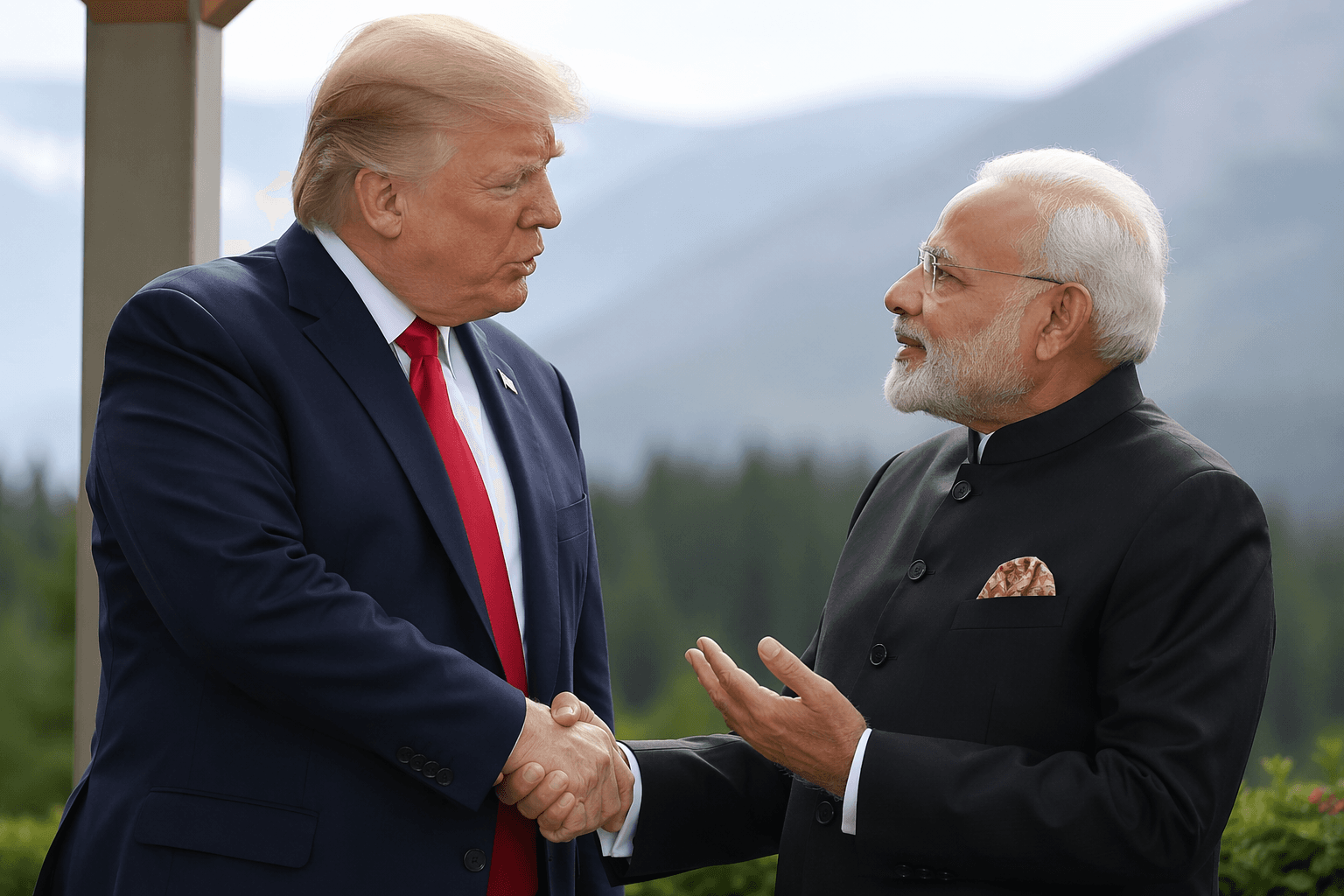
Donald Trump and Narendra Modi will use the G7 summit in Evian-les-Bains to show progress on trade, but the most important result may be what does not happen there. A senior U.S. administration official said U.S. Trade Representative Jamieson Greer will travel to India the week after the June 15-17 meeting, underscoring that both sides still see room for a deal while accepting that the final stretch is not yet done.
The gap between the summit stage and the negotiating table is the key story. The official said, “We think a very good deal is possible,” but also made clear, “I don’t think we’ll close that deal at the G7.” That split captures the wider reality of U.S.-India trade talks: the rhetoric is increasingly ambitious, but the practical work on tariffs, market access and technical rules still has not been finished.
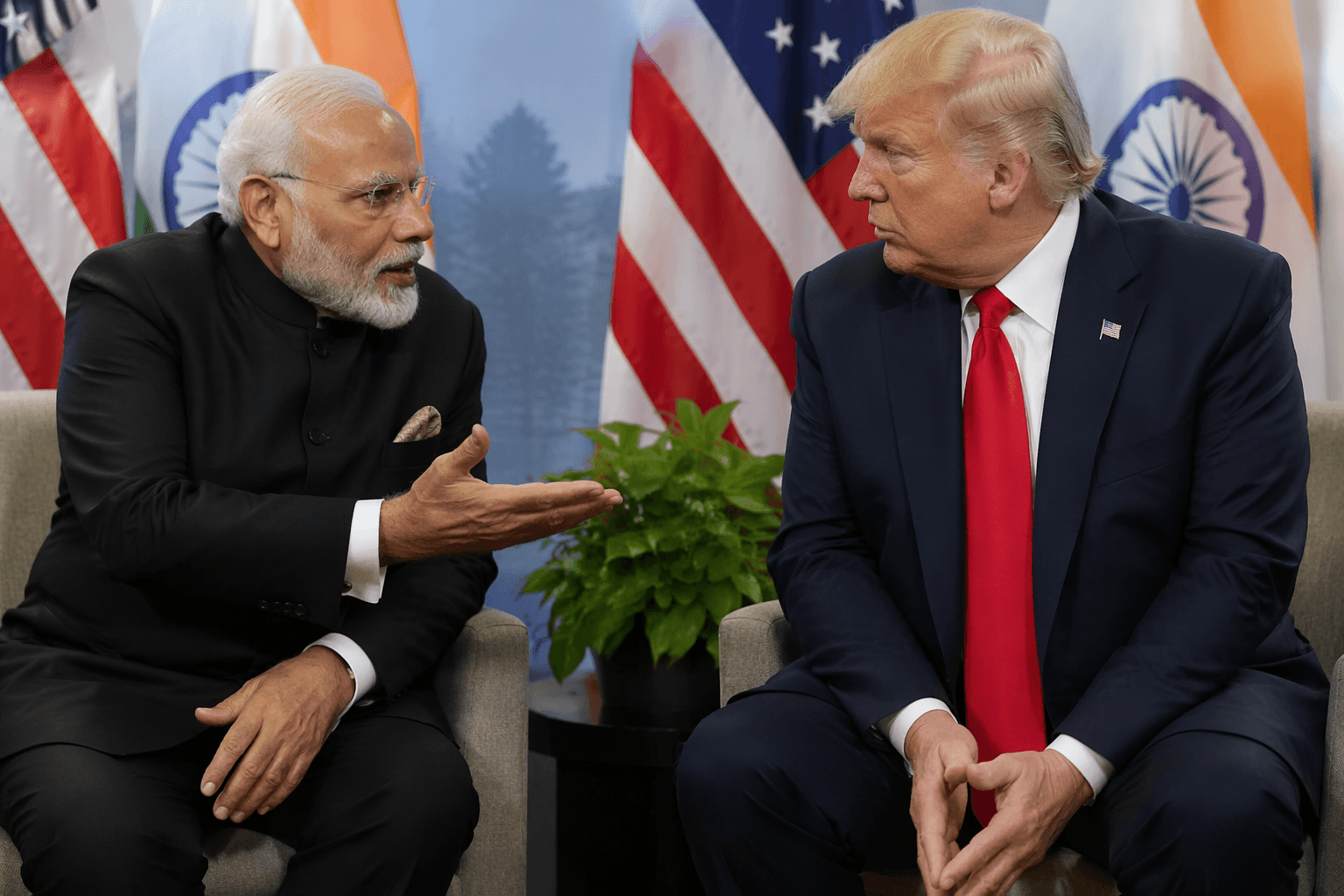
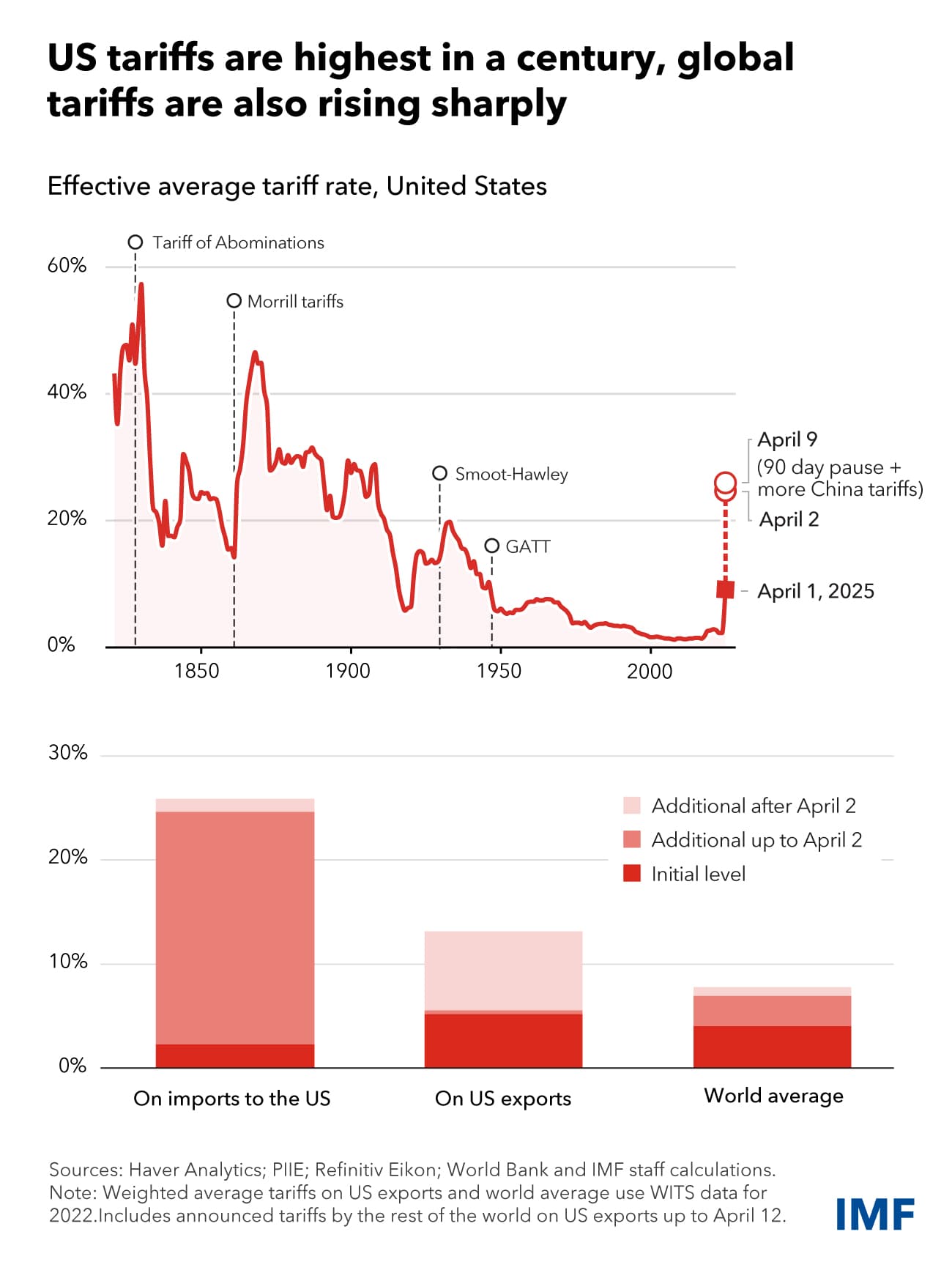
Washington’s own framing shows why the talks matter. In February 2026, the U.S. Trade Representative said the goal was to remove tariff and non-tariff barriers and open India’s market of more than 1.4 billion people to American products. It also said the United States ran a $45.7 billion goods trade deficit with India in 2024, up 5.1% from 2023. Those figures explain why access to the Indian market remains central for the Trump administration, especially as it seeks a visible trade win with one of America’s most important strategic partners.
India, for its part, is pushing for preferential tariff treatment in an interim accord. Piyush Goyal, India’s trade minister, has said a first tranche of the bilateral deal could be completed by mid-July, while Indian officials have described the first phase as about 99% complete. That language signals momentum, but not closure. It also suggests that the remaining disputes are specific enough to slow an agreement, even after months of high-level political attention.
The summit in France will therefore function less as a signing ceremony than as a political checkpoint. The European Union will be represented by António Costa and Ursula von der Leyen, and Evian will again sit at the center of major diplomacy. Trade politics will hover over the gathering more broadly, including Canada’s dispute over streaming rules, but the U.S.-India file carries the clearest strategic payoff. If Trump and Modi leave Evian without a deal, the talks will still matter, but the delay will show how hard it remains to turn strategic intent into concrete market-opening terms.
This article was produced by Prism’s automated news system from verified source data, official records, and press releases, then run through automated quality and moderation checks before publishing. The system is built and supervised by the people who set the standards it runs under. Read our full AI policy.
Know something we missed? Have a correction or additional information?
Submit a Tip