Judge tosses Alberta secession petition, citing First Nations treaty rights
A judge struck down Alberta separatists’ referendum bid, saying treaty rights and a duty to consult Indigenous nations made the petition legally flawed.
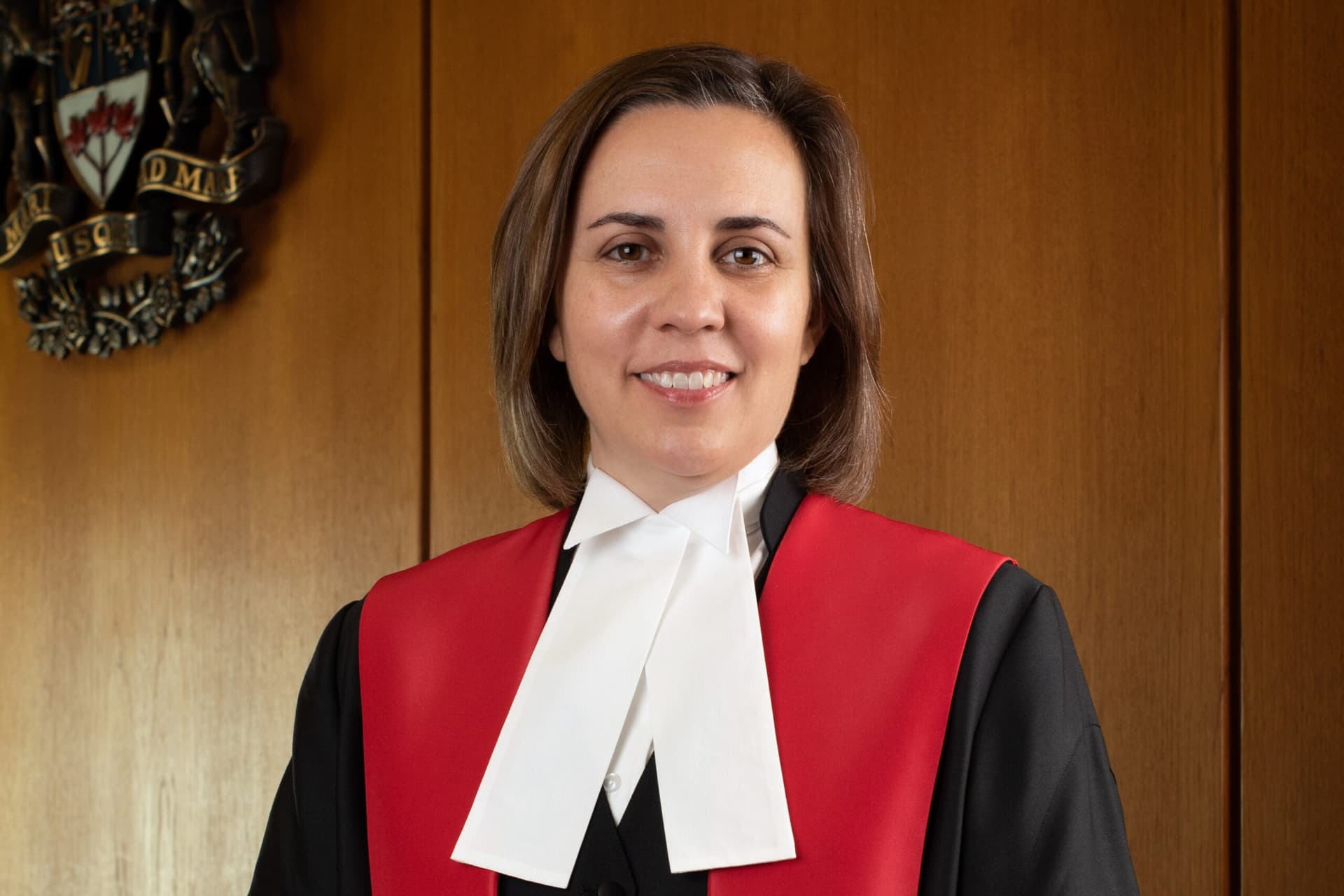
Alberta's separatist push hit a legal wall when a judge struck down Elections Alberta's approval of a petition to force a vote on leaving Canada, saying treaty rights and consultation duties could not be brushed aside.
Justice Shaina Leonard issued two decisions on May 13, 2026, and found that chief electoral officer Gordon McClure made an error in law when he approved the initiative package from Stay Free Alberta. Leonard said McClure failed to account for an earlier court ruling that said separation would violate First Nations treaty rights, putting the constitutional limits of the campaign ahead of the petition count itself.
Stay Free Alberta said it had gathered 301,620 signatures, far above the 178,000 threshold that can trigger consideration of a referendum under Alberta's citizen-initiative rules. The group submitted its petition package to Elections Alberta on May 4, 2026. But Leonard's ruling meant the signature drive could not move cleanly toward verification and referral, even as separatism organizers continued to claim public momentum.
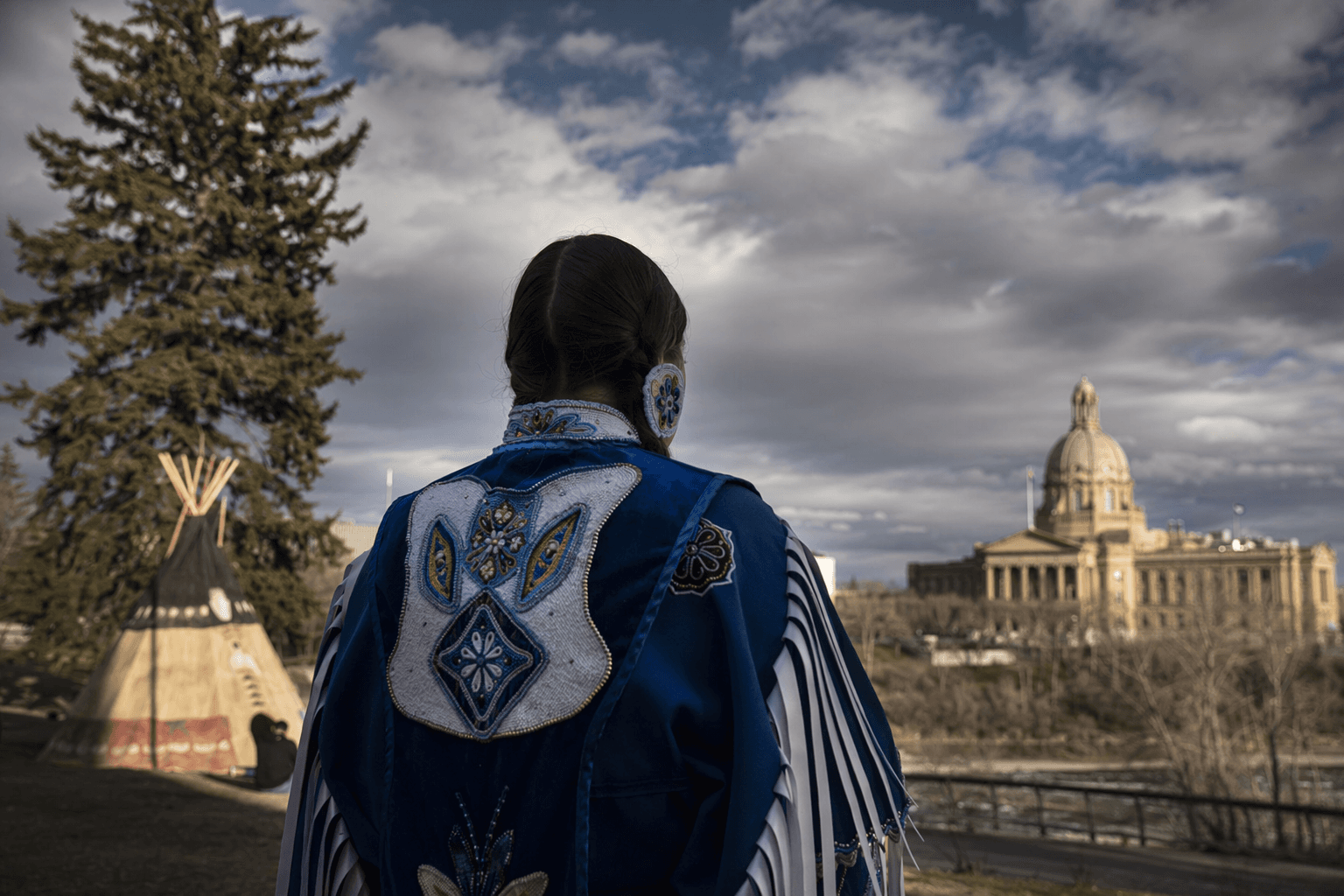
The decision also held that the Crown failed in its duty to consult with the First Nations challenging the process, including Athabasca Chipewyan First Nation and the Blackfoot Confederacy. Other reporting identified Piikani Nation, Siksika Nation and Blood Tribe as part of the legal challenge. Leonard had already paused signature verification in April while the constitutional fight played out, and that temporary halt underscored how the petition was running into a deeper question than ballot mechanics: who gets to be heard when sovereignty is on the table.
That question matters because Alberta is Canada's oil-producing powerhouse, and any bid to leave Canada would collide directly with treaties between the Crown and Indigenous peoples. Legal analysts and First Nations leaders have argued that those agreements are not peripheral objections but the central constitutional barrier to secession. Matthew Wildcat put it bluntly: "The treaty issue is, to my mind, the number one obstacle to the legitimacy of Alberta entertaining a referendum on separation."
Premier Danielle Smith called the ruling anti-democratic, and the province said it would appeal. Leonard's decisions left the future of Stay Free Alberta's campaign uncertain, but they did more than slow one petition drive. They elevated Indigenous treaty rights as a constitutional test of whether separatist politics can even clear the threshold for standing, consultation and lawful process before Alberta is asked to confront the prospect of breaking from Canada.
This article was produced by Prism’s automated news system from verified source data, official records, and press releases, then run through automated quality and moderation checks before publishing. The system is built and supervised by the people who set the standards it runs under. Read our full AI policy.
Did this article answer your question?