Judge tosses DOJ subpoenas to Minnesota officials over immigration probe
A federal judge quashed six DOJ subpoenas to Gov. Tim Walz and other Minnesota officials, saying the grand jury process was used to coerce aid in an immigration crackdown.
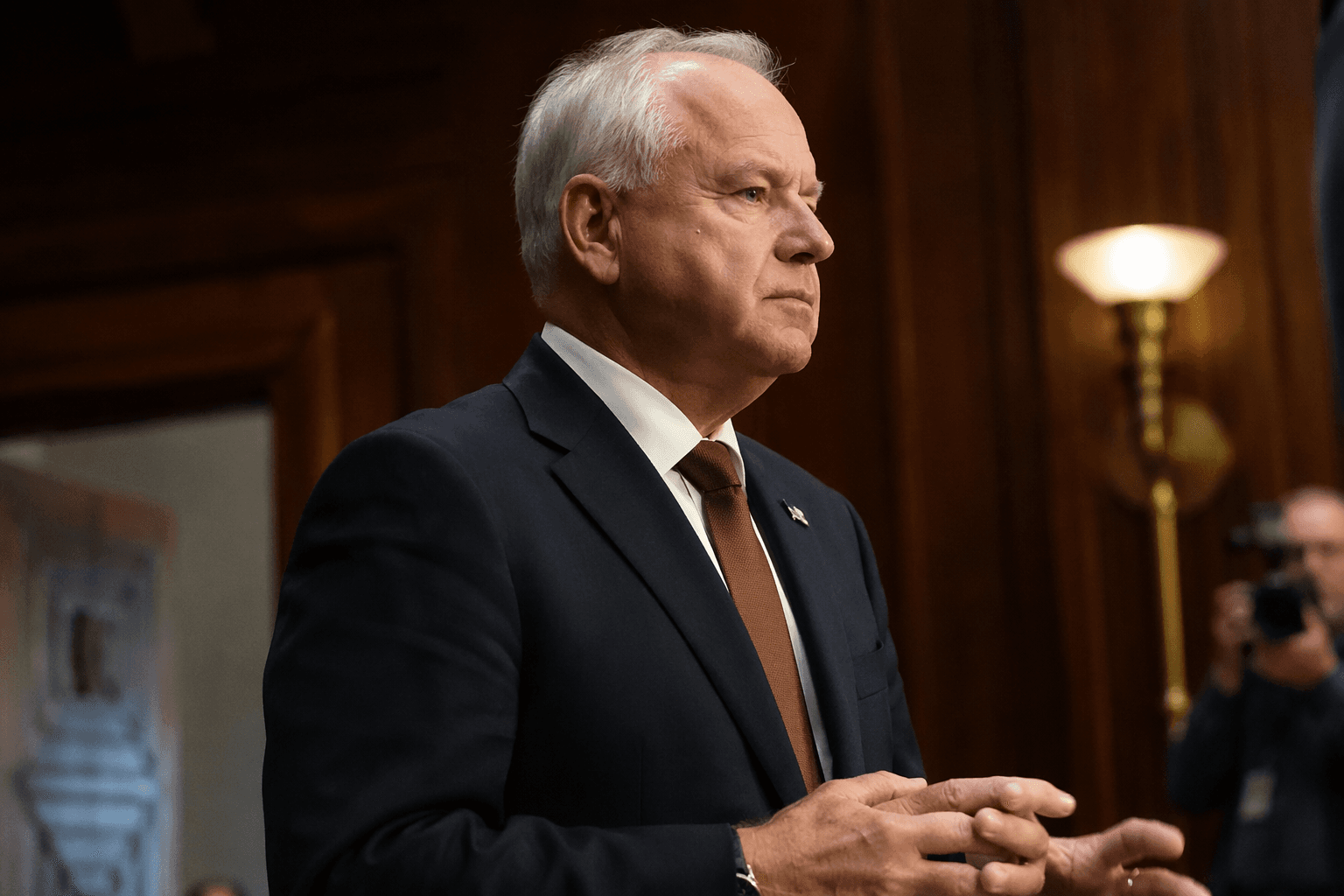
A federal judge has thrown out six grand jury subpoenas aimed at Minnesota’s top state and local officials, ruling that the Justice Department had no plausible investigative reason to drag Gov. Tim Walz, Attorney General Keith Ellison and other Democrats into an immigration-enforcement fight. U.S. District Judge Patrick Schiltz said the subpoenas crossed a constitutional line by trying to pressure Minnesota into helping federal authorities police immigration.
The 29-page ruling cut to the core of the dispute between Washington and a state that had already resisted the Trump administration’s crackdown. Schiltz said there was “no doubt” the subpoenas were intended to damage Walz and coerce state and local officials, not to pursue a legitimate criminal inquiry. The judge also said the federal government could not identify a plausible investigatory justification for the sweep.
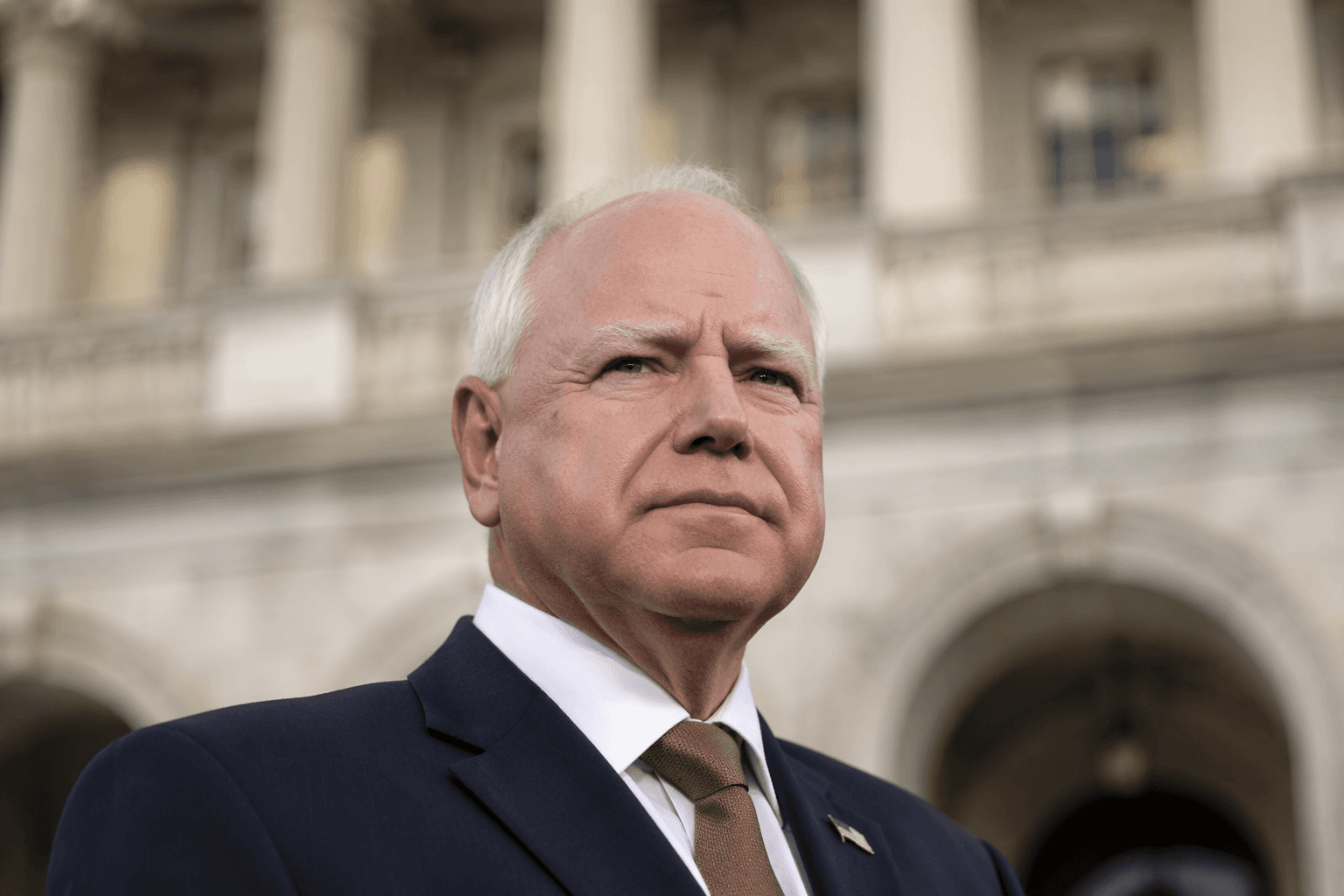
The subpoenas, issued in January 2026, reached across six offices: Walz’s office, Ellison’s office, the offices of Minneapolis Mayor Jacob Frey and St. Paul Mayor Melvin Carter, and the Hennepin County and Ramsey County boards of commissioners. They came amid Operation Metro Surge, a federal immigration operation that Minnesota officials said began on Dec. 1, 2025, and involved roughly 3,000 federal agents. State and local leaders said the operation forced police and emergency resources away from other duties, strained schools, and disrupted businesses.
The ruling framed the dispute as more than a Minnesota quarrel. Schiltz pointed to the Constitution’s bar on forcing states to enforce federal law, a principle that has long limited how far Washington can go when state officials refuse, or only partly agree, to assist federal priorities. Minnesota, Minneapolis and St. Paul had already sued to halt Operation Metro Surge, arguing that it violated the First Amendment, the Tenth Amendment, the Equal Sovereignty Principle and the Administrative Procedure Act.
The conflict sharpened after the fatal shooting of Minnesotan Renee Good by an ICE agent and the protests that followed in Minneapolis and St. Paul. Walz said the subpoenas were an attempt to intimidate him and sow fear. Ellison called them highly irregular and said they came soon after his office sued the federal government. Schiltz, a George W. Bush appointee, also cited the Trump administration’s history of using criminal investigations against political adversaries, and he pointed to a separate ruling involving subpoenas to Federal Reserve Chair Jay Powell as another example of judicial pushback against federal overreach.
This article was produced by Prism’s automated news system from verified source data, official records, and press releases, then run through automated quality and moderation checks before publishing. The system is built and supervised by the people who set the standards it runs under. Read our full AI policy.
Know something we missed? Have a correction or additional information?
Submit a Tip