Judge weighs evidence in Charlie Kirk killing case as hearing ends
The judge will hear final arguments Sept. 1 on whether prosecutors have enough evidence to send Tyler Robinson to trial in Charlie Kirk’s killing case.
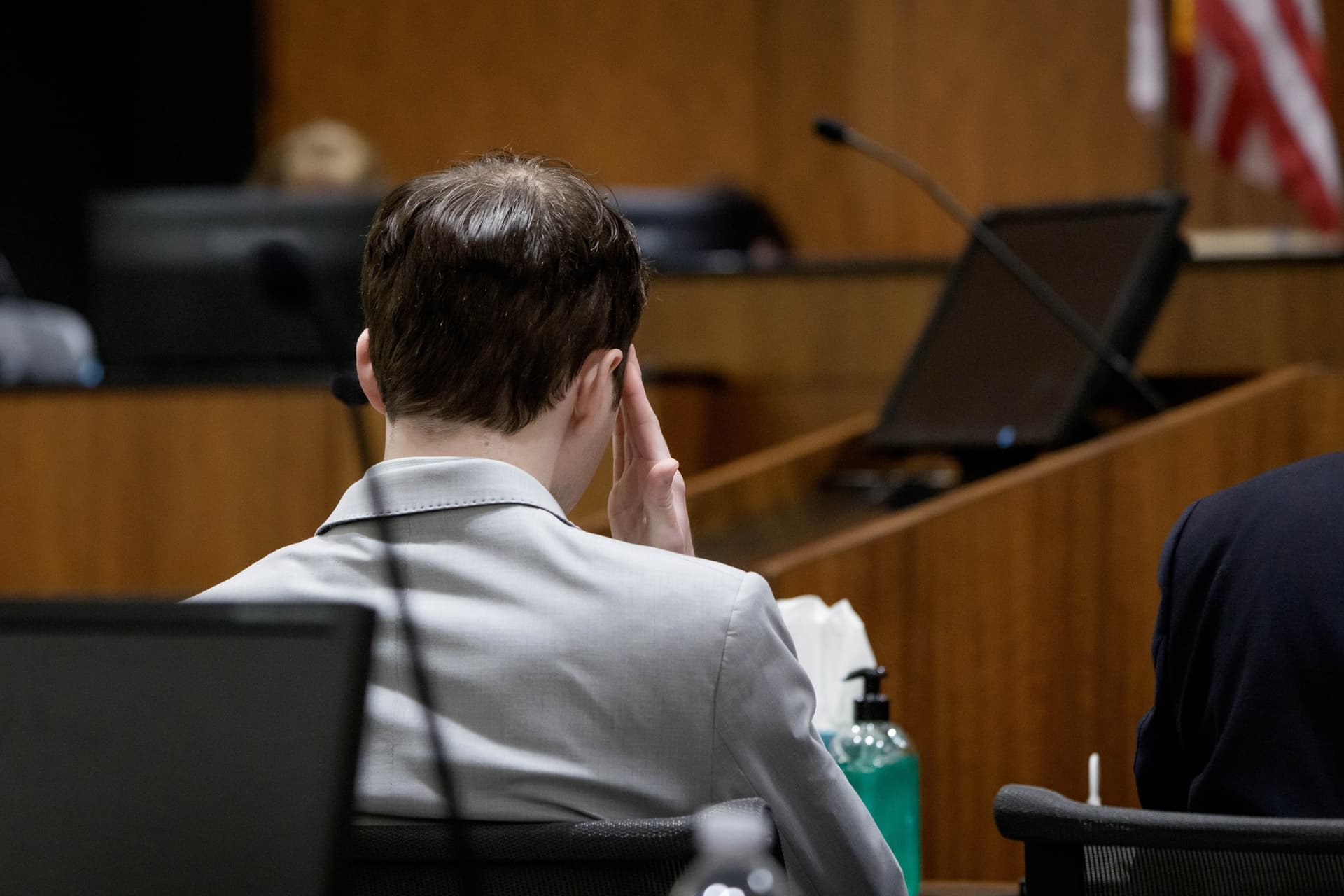
The preliminary hearing for Tyler Robinson ended with a judge set to hear final arguments on Sept. 1 over whether prosecutors have enough evidence to send the Charlie Kirk killing case to trial. The proceeding did not decide guilt or innocence. It tested whether Utah prosecutors have cleared the probable-cause threshold needed to bind the 23-year-old defendant over on aggravated murder charges.
The hearing gave the fullest public view yet of the state’s case more than ten months after Kirk was fatally shot. Prosecutors have said they will seek the death penalty. Defense lawyers used the five-day hearing to challenge the strength of the state’s evidence, especially DNA testing prosecutors say links Robinson to the suspected murder weapon.
That DNA issue sits at the center of the case. Prosecutors have presented testing they say connects Robinson to the weapon and related items, while the defense has pressed the reliability of that testing and the way investigators built the forensic case. The preliminary hearing standard is lower than trial, but the judge must still decide whether the evidence is enough to move the case forward.
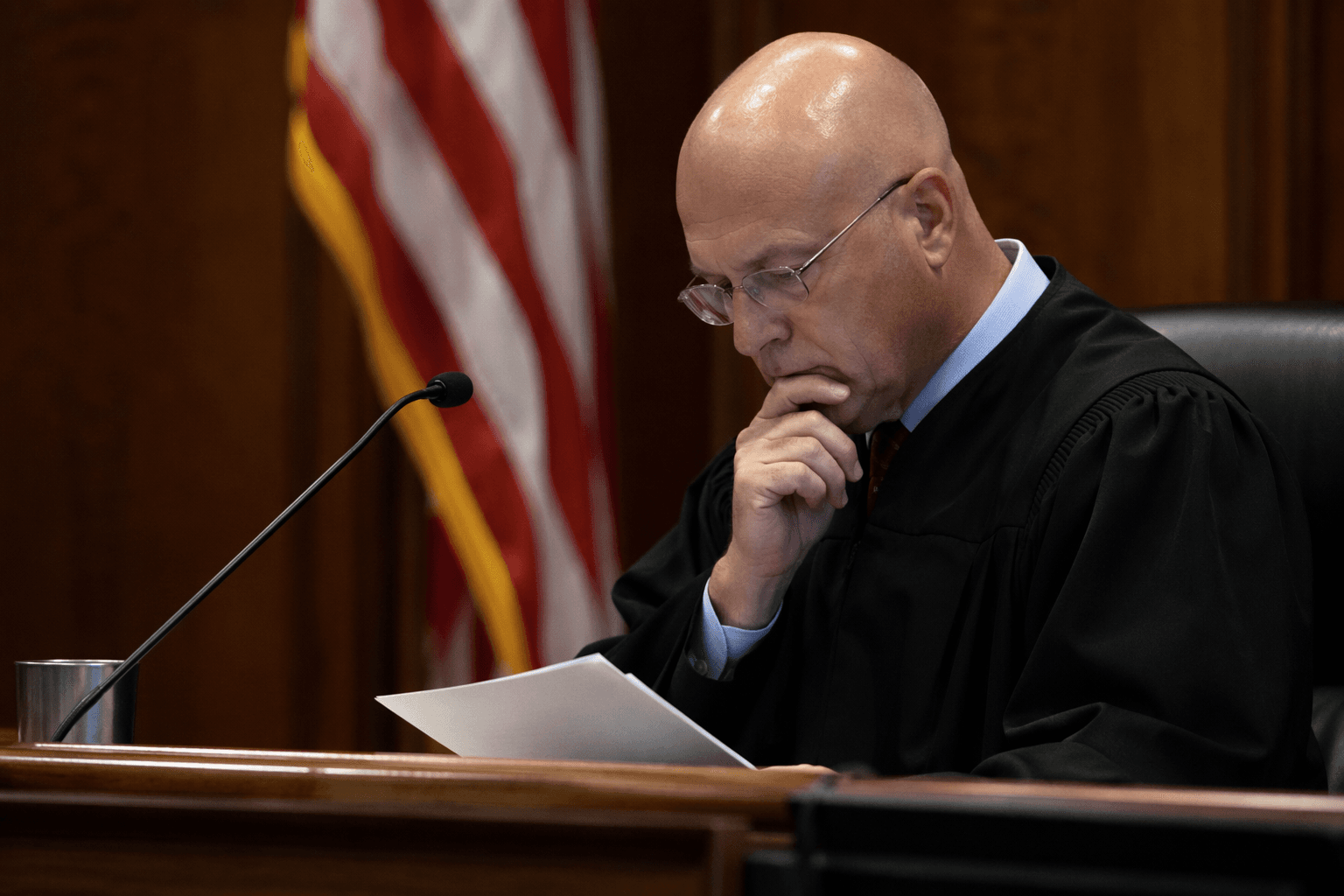
Prosecutors also brought in testimony they say shows Robinson’s state of mind after the killing. A former roommate told prosecutors Robinson expressed regret after the shooting and said he planned to turn himself in. Other reporting from the case has said Robinson’s father recognized him in FBI photos, urged him to surrender and enlisted a youth pastor who then contacted authorities after Robinson initially resisted.
The case has remained a major national political story because Kirk was a prominent conservative activist and ally of President Donald Trump. That profile helped turn a local Utah homicide prosecution into a national test of how the justice system handles a politically charged killing. But the hearing itself has been about evidence, not rhetoric: whether the state has enough to proceed, and whether the defense has created enough doubt to slow the case before a trial date is set.
This article was produced by Prism’s automated news system from verified source data, official records, and press releases, then run through automated quality and moderation checks before publishing. The system is built and supervised by the people who set the standards it runs under. Read our full AI policy.
Did this article answer your question?