Pentagon makes first Havana Syndrome compensation payments under Havanaa Act
The Pentagon has paid nearly $3 million to personnel affected by Havana Syndrome, opening a compensation channel that still leaves the cause of the illness unsettled.
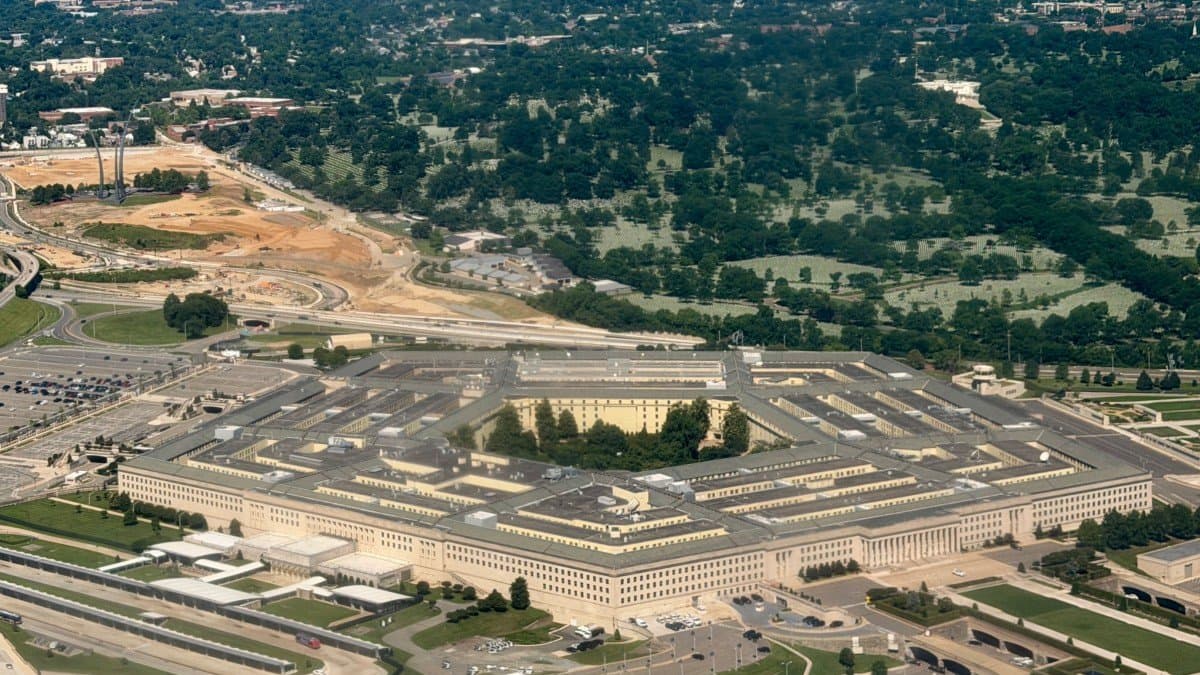
The Pentagon said Friday it had disbursed nearly $3 million in compensation to personnel affected by Havana Syndrome, marking the first HAVANA Act payments made under any presidential administration. The payout gives federal workers and their families a measure of relief, but it does not settle the central question that has shadowed the case for a decade: what caused the injuries in the first place.
The illness first surfaced in 2016 among Department of State staff at the U.S. Embassy in Havana, Cuba, when diplomats and their families began reporting sudden symptoms that included head pain, tinnitus, blurred vision, vertigo and cognitive difficulties. The condition is now often called anomalous health incidents, or AHIs, after similar reports spread beyond Havana to personnel from several federal agencies in the United States and overseas.
The scope of the problem remains uncertain. The U.S. Government Accountability Office has said the number of victims is unknown, though as many as 334 Americans with relevant symptoms qualified for care in the military health system. Reported cases have also turned up in Austria, China, Colombia, Georgia, Germany, India, Poland, Russia and Vietnam, along with cases in the continental United States.
Congress responded by passing the HAVANA Act of 2021, which became Public Law 117-46 on October 8, 2021. The law authorizes compensation and medical benefits for certain affected federal employees, former employees and dependents. Under the State Department’s implementing rule, benefits can cover qualifying injuries to the brain and related diagnosis and treatment costs, setting a standard that turns on injury and care rather than on proving a definitive external cause.
That distinction matters because Havana Syndrome has remained at the center of a long-running dispute over whether hostile foreign action was involved. The Pentagon’s payment announcement resolves neither the scientific debate nor the broader intelligence question, but it does establish that the government now accepts an obligation to compensate some of the people who say they were harmed while serving abroad or at home. For affected personnel who have argued for years that care and compensation were delayed, the nearly $3 million payout is a financial start, not a final answer.
This article was produced by Prism’s automated news system from verified source data, official records, and press releases, then run through automated quality and moderation checks before publishing. The system is built and supervised by the people who set the standards it runs under. Read our full AI policy.
Did this article answer your question?