Jurors explain evidence behind Kouri Richins murder conviction
Jurors said the evidence, not the grief-book image, drove their verdict as Kouri Richins was sentenced to life without parole on her husband's 44th birthday.
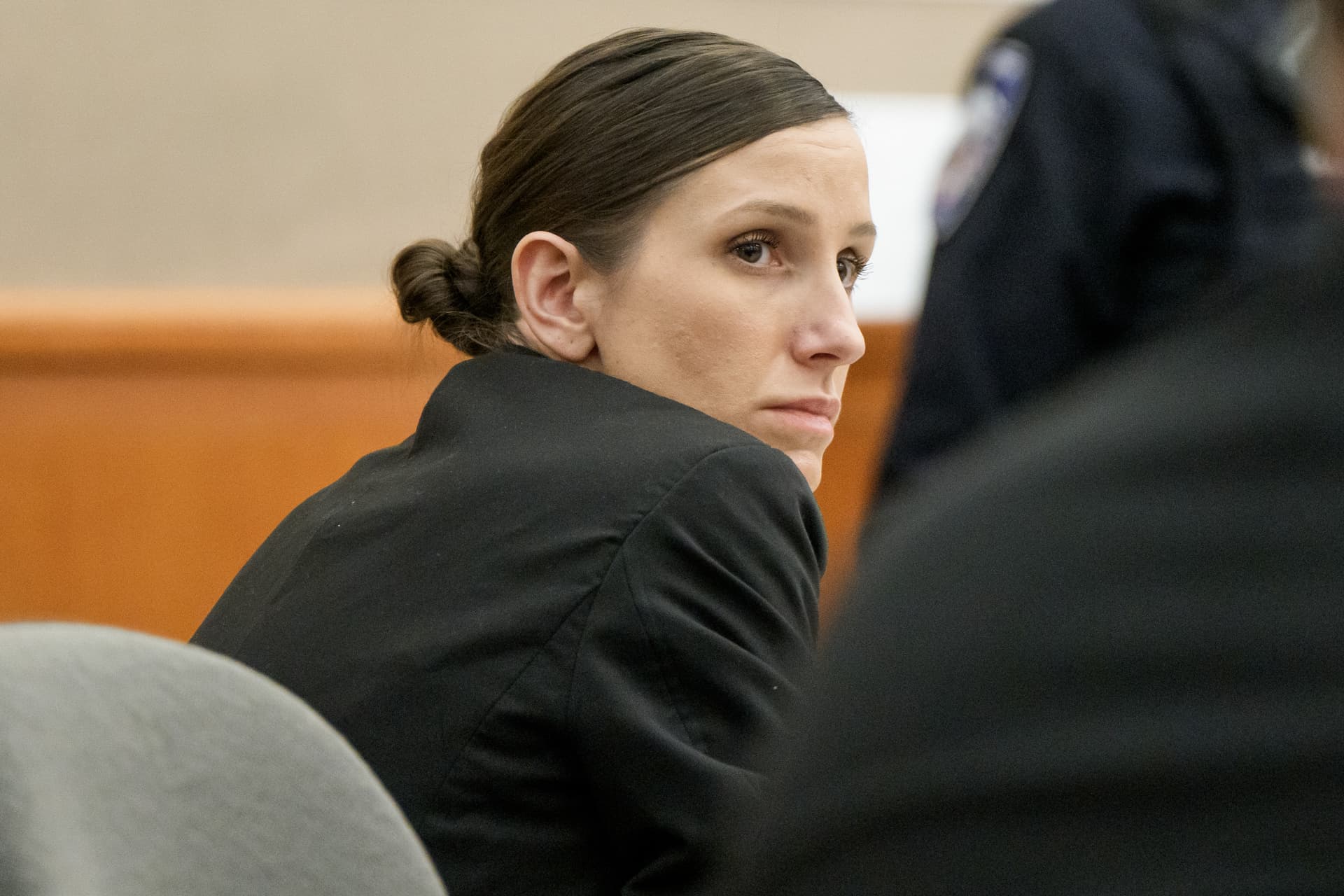
Kouri Richins was sentenced to life in prison without the possibility of parole after a Summit County jury found her guilty of murdering her husband, Eric Richins, in a case that fused domestic tragedy, financial fraud and a carefully cultivated public image. Third District Judge Richard Mrazik imposed the sentence in Summit County, Utah, on what would have been Eric Richins’ 44th birthday.
The March 2026 verdict came after a 13-day trial and about three hours of jury deliberations. Richins, 35, was convicted of aggravated murder, attempted aggravated murder, two counts of insurance fraud and forgery. Prosecutors said Eric Richins died on March 4, 2022, after drinking a fentanyl-laced beverage, and that Kouri Richins had also tried to poison him weeks earlier with fentanyl-laced food on Valentine’s Day 2022. The case turned on more than the alleged killing itself. It also exposed the gap between Richins’ public persona and the violence prosecutors said was hidden behind it.
That tension helped make the case one of the most closely watched true-crime stories in the country. After Eric Richins’ death, Kouri Richins self-published a children’s book about grief, a detail that put her in the spotlight and fed the image of a mourning widow and mother of three sons. Prosecutors portrayed that image as a facade, while jurors were left to sort through evidence that included the alleged poisoning attempts, insurance fraud and forgery charges, and the sequence of events surrounding Eric Richins’ death in Summit County.
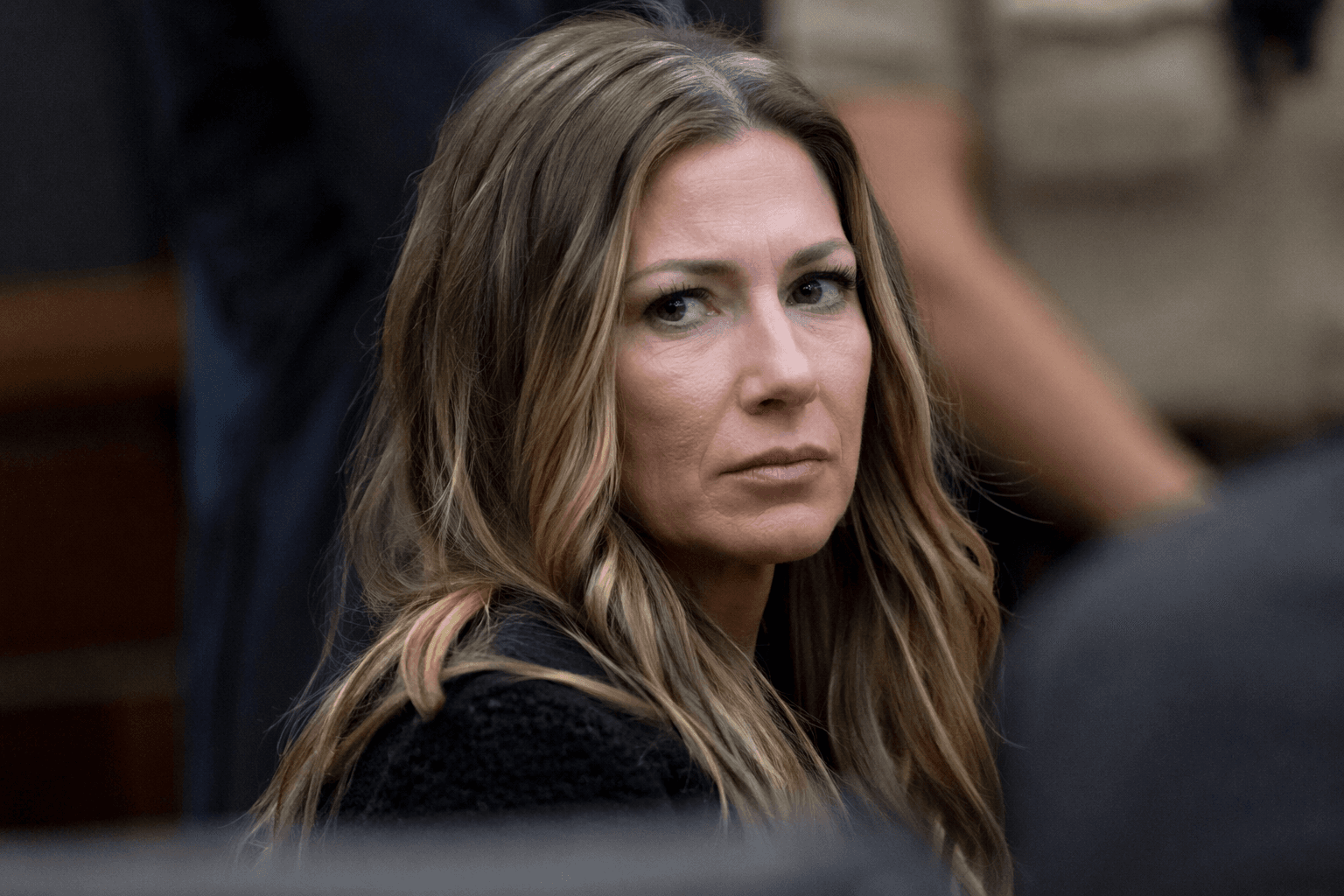
Sentencing brought the family’s grief into the open. Eric Richins’ relatives delivered emotional victim-impact statements and asked for the maximum punishment. One of the couple’s sons told the court, “I want her to go to prison forever.” Richins maintained her innocence as the court heard from the family she left behind.
A new “48 Hours” follow-up on CBS News extends the case beyond the verdict, with correspondents Anne-Marie Green and Natalie Morales speaking with two jurors about the evidence that persuaded them to convict. The episode adds a rare post-trial look at how a jury reached its decision in a case where the public story of loss was sharply at odds with the prosecution’s account of murder.
This article was produced by Prism’s automated news system from verified source data, official records, and press releases, then run through automated quality and moderation checks before publishing. The system is built and supervised by the people who set the standards it runs under. Read our full AI policy.
Know something we missed? Have a correction or additional information?
Submit a Tip