Justice Department posts millions of Epstein files, survivors demand answers
The Justice Department released millions of pages tied to Jeffrey Epstein, intensifying scrutiny over redactions, survivor privacy and what remains withheld.
The Justice Department on Jan. 30–31 posted a massive tranche of records tied to investigations of Jeffrey Epstein, producing what officials described as more than 3 million pages of documents plus roughly 2,000 videos and 180,000 images and expanding a public cache that advocates say could reshape understanding of the case. The release followed a law, the Epstein Files Transparency Act, that compelled the department to turn over files and came about six weeks after the Justice Department missed an earlier statutory deadline.
Deputy Attorney General Todd Blanche announced the publishing at a news conference and in a letter to Congress. He said the department had “identified more than 6 million potentially responsive pages” and was producing roughly half of that corpus. “Today’s release marks the end of a very comprehensive document identification and review process to ensure transparency to the American people and compliance,” Blanche said. He added it appears that “Epstein took some of the photos, though some were taken by others,” and that the images and videos made public include “significant redactions” to protect survivors.
A DOJ letter to lawmakers, signed by Blanche, said approximately 200,000 pages have been “redacted or withheld based on various privileges,” citing attorney‑client and deliberative process protections. The department also excluded documents in foreign languages and files that could not be uploaded for technical reasons. Some material released was marked as child sex abuse material and was heavily redacted or withheld entirely, the department said.
More than 500 lawyers and other personnel carried out the review, working nights, holidays and weekends, the department reported. The posting dwarfs an earlier December release of about 3,500 files and follows a Dec. 24 disclosure that prosecutors and the FBI had uncovered “over a million more documents potentially related” to the case.
Survivors and advocates greeted the dump with anger and alarm, saying publication has been inconsistent and incomplete. A group of 20 women who say Epstein preyed on them said in a statement, “The Justice Department cannot claim it is finished releasing files until every legally required document is released and every abuser and enabler is fully exposed,” adding, “This is not over.” At the same time, survivors have reported finding names unredacted in paperwork; one anonymous woman using the pseudonym Jane Doe said she discovered her name multiple times, including in email exchanges with Epstein.

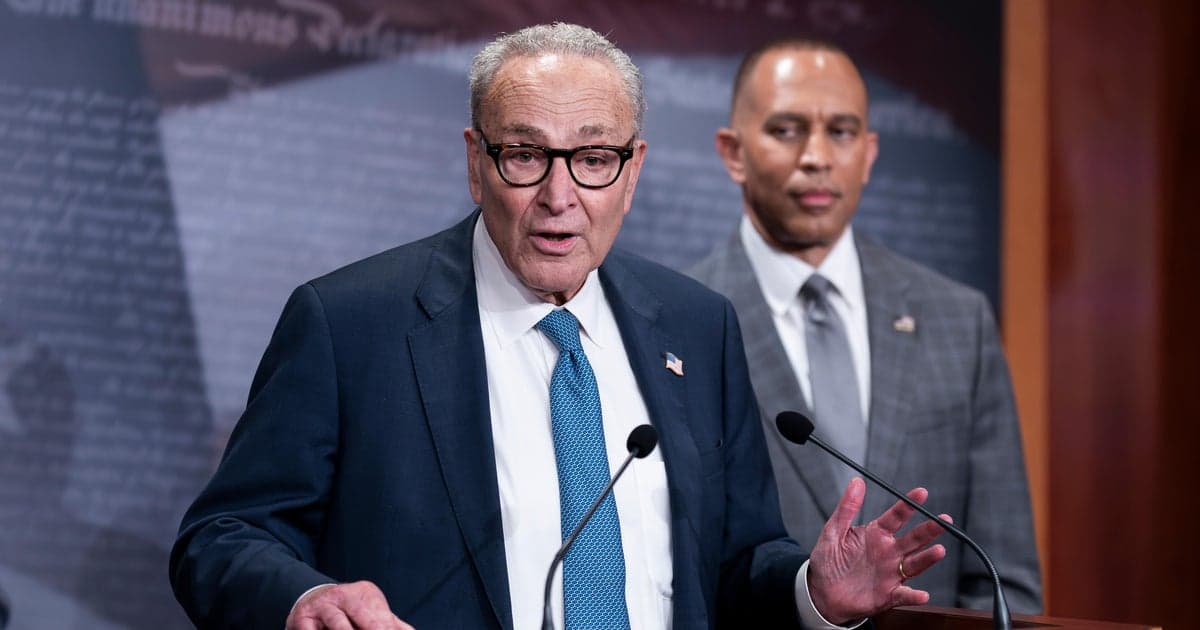
Lawmakers pressed for more detail and access. Ro Khanna, who co‑sponsored the Epstein Files Transparency Act, said, “The DOJ said it identified over 6 million potentially responsive pages but is releasing only about 3.5 million after review and redactions. This raises questions as to why the rest are being withheld,” and he pledged to monitor whether more material is released. Senate Minority Leader Chuck Schumer criticized the changing figures on social media: “Your numbers keep changing. You say you collected 6 million pages but you’re only releasing 3 million. What’s in the 3 million that are missing?”
Beyond the politics of disclosure, public health and equity concerns are immediate. Mental health providers and victim advocates warn that mass publication of graphic material and partial redactions can retraumatize survivors and overwhelm community services already strained by limited funding for trauma‑informed care. The release also revives questions about prosecutorial choices in earlier stages of the saga — including a 2008 Florida plea agreement — and about the systemic failures that left many victims feeling excluded from justice.
Officials say the posting complies with the new law, but critical unresolved questions remain: the precise number of pages released, the volume of material still withheld and the standards used to protect survivors while ensuring public accountability. Lawmakers, advocates and clinicians say the answers will determine whether the release advances transparency or compounds harm.
Know something we missed? Have a correction or additional information?
Submit a Tip