Millions face loss of SNAP benefits as work rules begin
New federal rules expanding SNAP work requirements take effect Feb. 1, risking benefits for millions and shifting costs and paperwork to states.
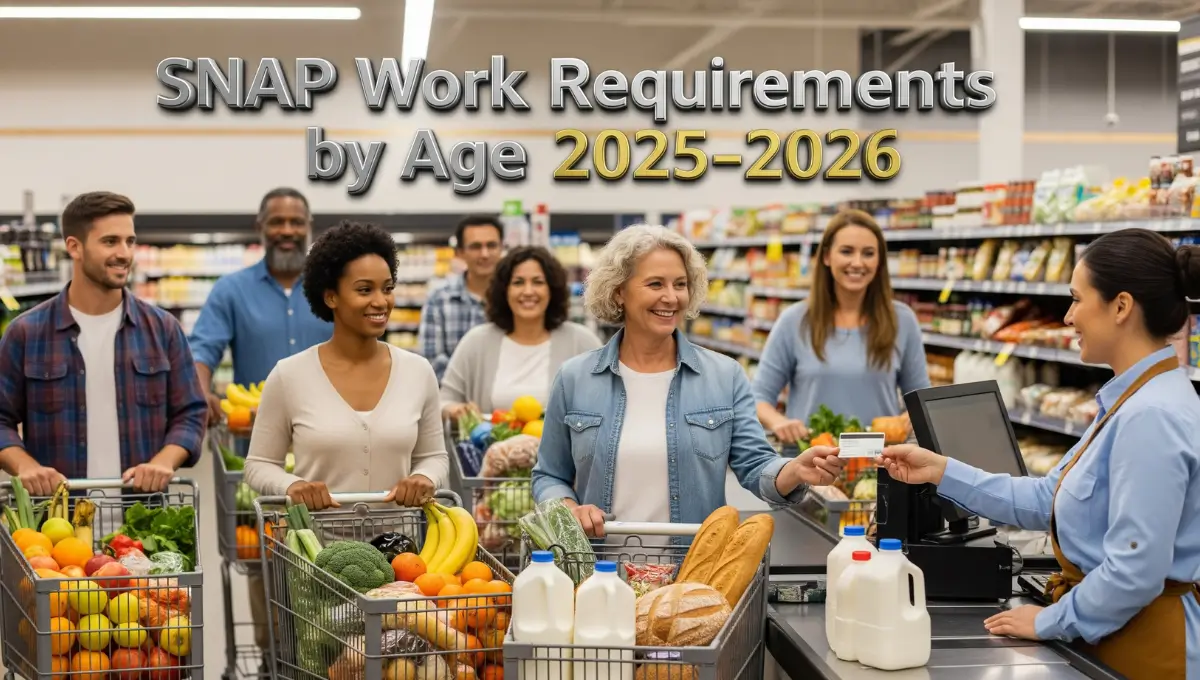
Millions of low-income Americans face an immediate threat to food assistance as new federal work requirements for the Supplemental Nutrition Assistance Program take effect for additional states on Feb. 1, 2026. The changes, enacted in legislation signed in July 2025, expand who must meet work-related conditions to remain eligible and impose stiffer penalties and state fiscal responsibilities.
The measure, identified by USA Today and the Chicago Crusader as H.R. 1, the "One Big Beautiful Bill Act," was signed by President Donald Trump in July 2025. Under the new rules, many adult recipients must "work, volunteer or participate in job training for at least 80 hours a month," a threshold repeated across multiple reports. Recipients who fail to meet that requirement face limits, they are "limited to three months of benefits in a three-year period" if they do not comply.
The statute broadens the pool subject to those requirements. Work rules that previously applied mainly to adults ages 18-54 without young dependents now encompass adults ages 55-64 and parents "without children younger than 14," according to state and national reporting. The law also removes several exemptions that had sheltered some groups from work mandates; reporting by Livenowfox and FOX notes exemptions for homeless people, veterans and young adults aging out of foster care were rescinded.
Implementation and near-term impacts vary by state. Texas began enforcement in October 2025, and several states including Alaska, Colorado, Georgia and Hawaii started the three-month compliance clock in November, meaning some recipients there could already have lost benefits. In states where the rules begin Feb. 1, such as Illinois and Ohio, noncompliant recipients could see benefits cut in May after exhausting the three-month limit. Ohio has announced that recipients will need to show documentation of work beginning in March. California has an unemployment-based waiver scheduled to remain in place until January 2027.
State-level exposure is substantial. The Illinois Department of Human Services told the Chicago Crusader that "up to 340,000 Illinoisians are at risk of losing their benefits" under the new rules; the U.S. Department of Agriculture reported nearly two million Illinois residents were using SNAP in September 2025. Nationwide, reporting across outlets cites roughly 42 million Americans who rely on SNAP for grocery purchases.
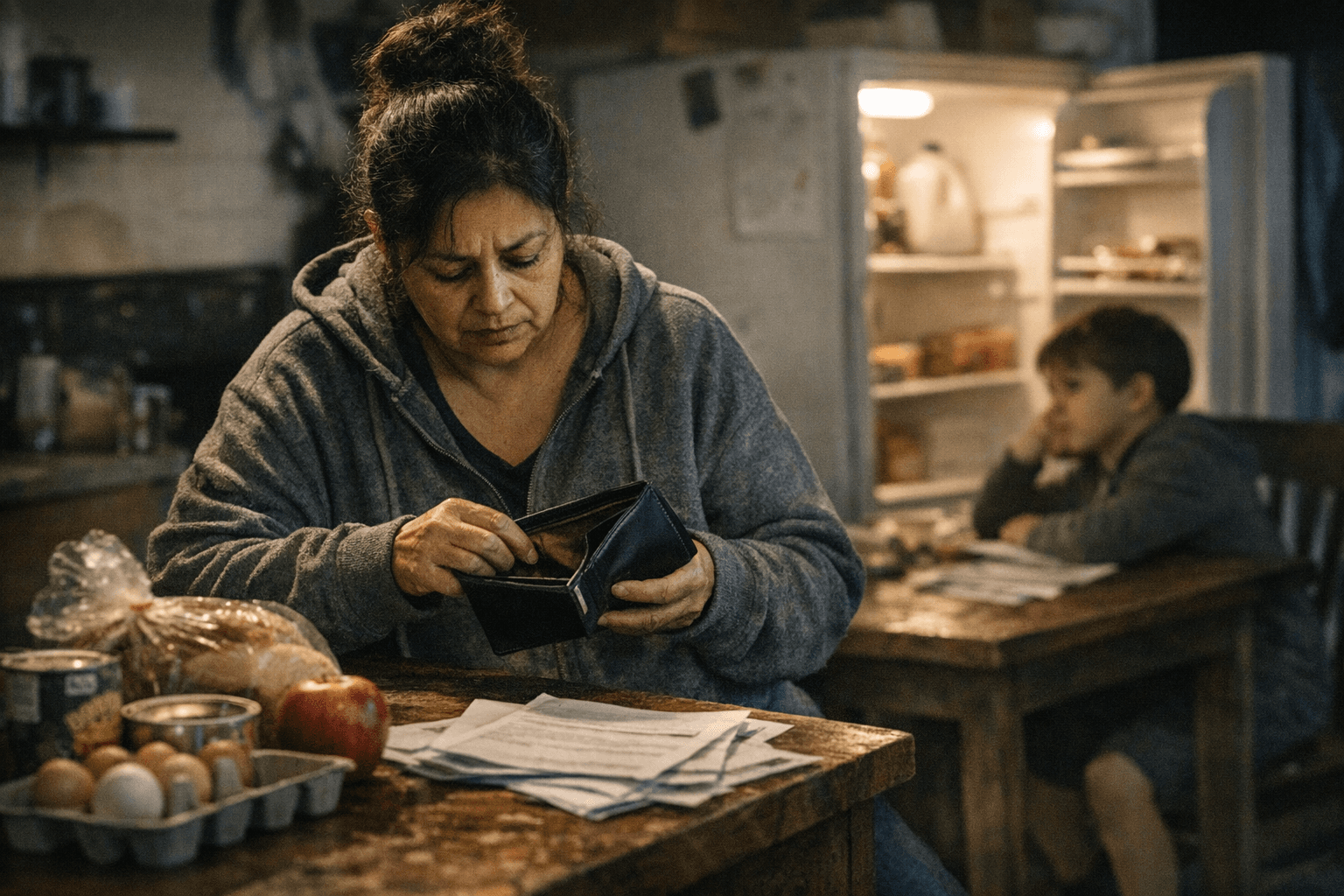
Fiscal and administrative shifts accompany the eligibility changes. USA Today reported that the law narrows eligibility for certain legally present immigrants and increases state financial responsibility, states may be liable for up to 15 percent of benefit costs depending on payment error rates and must shoulder higher administrative cost shares, rising from 50 percent to 75 percent. The USDA has framed the changes as aimed at reducing fraud and said the new rules "reflect the importance of work and responsibility," language cited by USA Today.
Budget estimates underscore the scale of the policy shift. A Congressional Budget Office projection reported by KWQC anticipates the new requirements will "reduce the average monthly number of SNAP recipients by about 2.4 million people over the next 10 years." USA Today cited a separate CBO estimate that the bill will "cut an estimated $186 billion from SNAP funding through 2034."
Advocacy groups and state agencies urge affected recipients to check with local SNAP offices. AARP advised that those brought under the new work rules will need to "submit additional paperwork" and to contact state offices if they have not received notices. The policy change is likely to reshape demand for state services and deepen food insecurity for millions while transferring new administrative burdens and costs to states.
This article was produced by Prism’s automated news system from verified source data, official records, and press releases, then run through automated quality and moderation checks before publishing. The system is built and supervised by the people who set the standards it runs under. Read our full AI policy.
Did this article answer your question?