Justice Department Presses Georgia Election Probe, Keeps Seized Fulton Records
A federal judge let the Justice Department keep more than 600 boxes of Fulton County election records as Trump’s election probe and punishment push moved ahead.
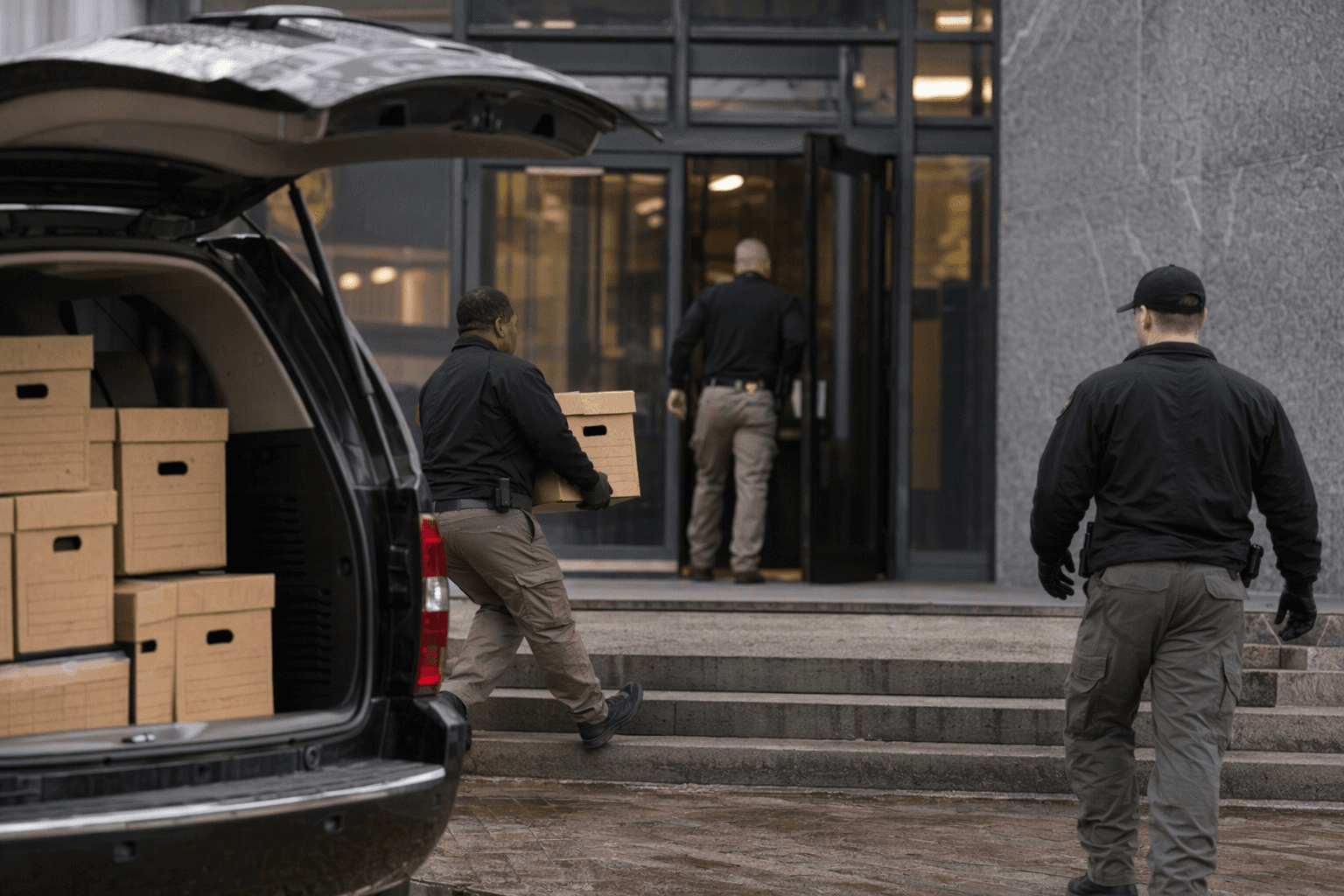
The Justice Department won a key round in Georgia when a federal judge allowed it to keep more than 600 boxes of 2020 election records seized by the FBI from Fulton County, keeping alive a probe that reaches into the heart of Donald Trump’s false fraud claims.
U.S. District Judge J.P. Boulee ruled on May 6, 2026, that the government could retain the materials while the investigation continued. Fulton County Commission Chairman Robb Pitts and the county election board had asked for the records back after the January FBI search of a county election office, but the judge rejected that effort. A separate order last week also required the Justice Department to answer limited questions about the seizure, underscoring how closely the court is now watching the case even as it lets investigators hold onto the records.
The dispute is one part of a broader federal push in Georgia. The Justice Department has also issued a grand jury subpoena seeking the names and personal contact information of every person who worked the 2020 election in Fulton County, and county lawyers have moved to quash it. Fulton County, which includes Atlanta, was central to Trump’s loss in Georgia, and the renewed federal scrutiny comes despite earlier audits and court rulings that did not substantiate his broad claims of widespread fraud.
The Georgia effort carries stakes far beyond one county’s records room. It shows how a Justice Department under Trump is being used to reopen a defeated election, not simply to enforce election law but to press a political narrative that the president has long advanced and that other reviews failed to support. That shift matters because it tests whether federal law enforcement is acting as an independent institution or as an instrument for revisiting an old grievance and pressuring the officials who stood behind the 2020 count.

A similar pattern was visible elsewhere in Washington, where the Pentagon’s effort to punish Sen. Mark Kelly for a video urging service members to refuse unlawful orders drew skepticism from a federal appeals court on May 7. Kelly said afterward that the president was trying to silence him. Together, the Georgia probe and the Kelly case point to a broader use of federal power against people seen as hostile to Trump’s agenda, raising sharper questions about retaliation, institutional independence and how far a presidency can bend law enforcement toward political ends.
This article was produced by Prism’s automated news system from verified source data, official records, and press releases, then run through automated quality and moderation checks before publishing. The system is built and supervised by the people who set the standards it runs under. Read our full AI policy.
Did this article answer your question?

