Justice Department Publishes Epstein Files, Critics Say Release Incomplete
The Justice Department began publishing a large tranche of Jeffrey Epstein investigation records on December 19, fulfilling a statutory deadline set by the Epstein Files Transparency Act. The release matters because it tests new limits on grand jury secrecy, shapes accountability for powerful actors, and will determine whether survivors can obtain meaningful access to records amid heavy redactions.
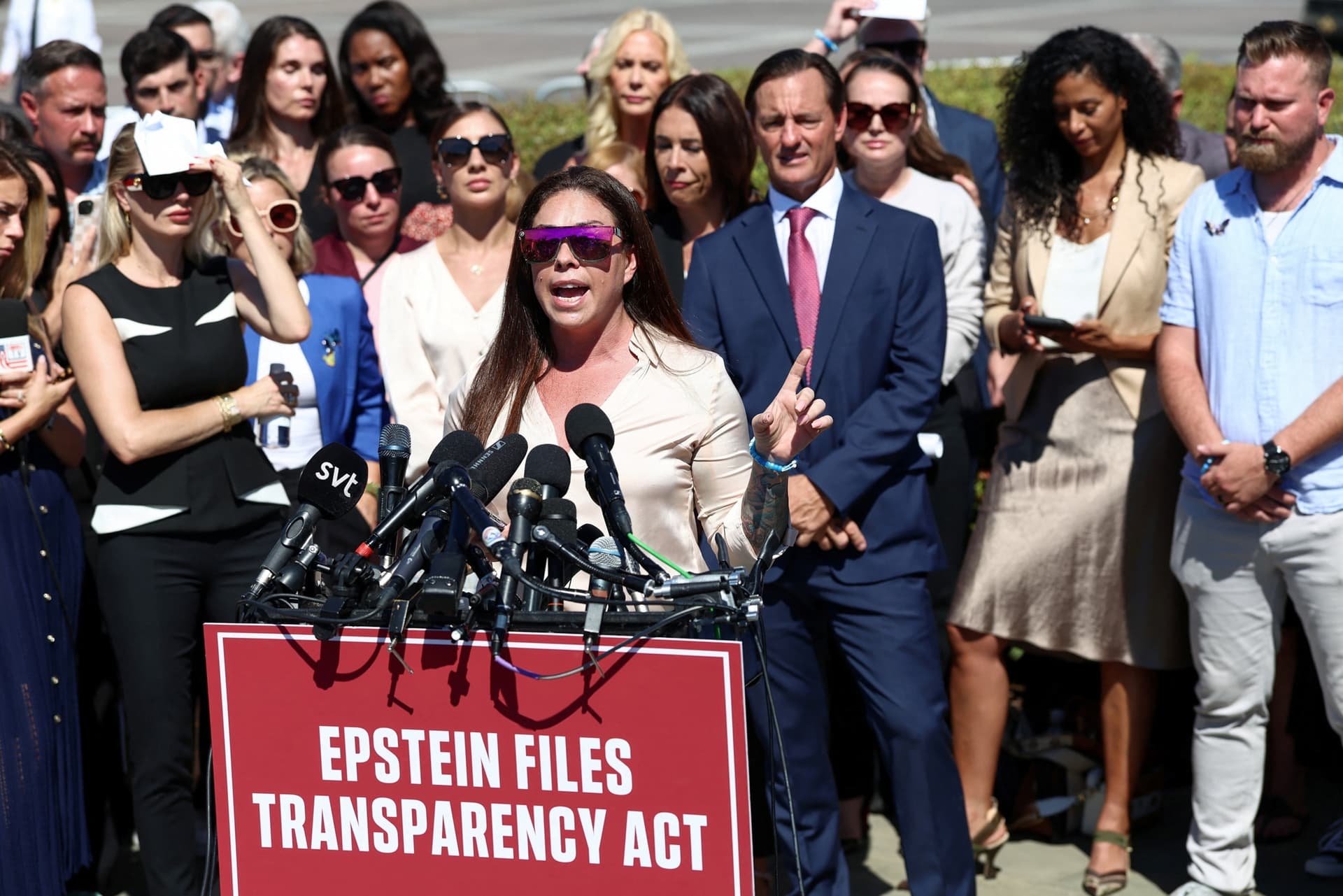
On December 19 the U.S. Department of Justice began posting what it described as “hundreds of thousands” of documents and images from its investigations into Jeffrey Epstein to a publicly accessible Epstein Library on the department website. The initial upload included thousands of photographs, court records, flight logs and grand jury materials, and officials said additional batches would be produced in the coming weeks to comply with the new law.
Congress enacted the Epstein Files Transparency Act last month and set December 19 as the deadline for disclosure. The law permits narrow exceptions to protect survivors’ personal information. Federal judges recently authorized the Justice Department to disclose certain grand jury materials in light of the statute, an unusual judicial adjustment to long standing secrecy rules that prosecutors and courts typically enforce.
The first tranche on the landing page contained a broad variety of investigative material. Photographs showed Epstein with several public figures including former President Bill Clinton, entertainers Michael Jackson, Mick Jagger and Diana Ross, and photographs showing Epstein with Ghislaine Maxwell were among the images posted. Flight logs and investigative reports appeared in the dataset, although several names in flight logs were redacted and much of the material was heavily redacted overall. Among the more mundane items released was a 2005 Amazon receipt addressed to Jeffrey Epstein listing books with explicit sexual content and bondage themes.
The department framed the staggered posting as a logistical necessity. Deputy Attorney General Todd Blanche said the “volume of materials” required a phased release. The Justice Department also reiterated it would withhold or redact records as necessary to shield survivors and to conform to the statute’s limited exceptions.
The disclosures have already prompted political and institutional scrutiny. Members of Congress raised concerns about apparent omissions in the posted datasets and asked the department for explanations. Survivors and advocacy groups reported difficulty locating records relevant to their own cases within the trove and said redactions frequently obscured identifying information that would help them track law enforcement actions. News organizations and researchers moved quickly to create searchable databases to help journalists, survivors and the public navigate the large dataset.

The unfolding release highlights a tension at the center of the new law between transparency and longstanding protections for grand jury secrecy. Allowing disclosure of grand jury testimony is likely to prompt further legal challenges over scope and redaction practices, and it will force federal courts and prosecutors to refine standards for what may be exposed when statutory disclosure mandates collide with privacy protections.
For civic engagement the initial release creates both opportunity and obstacles. Greater public access to investigative files can enhance oversight of prosecutorial decisions and illuminate institutional failures, yet the sheer volume of material and the extent of redactions may limit practical public scrutiny without sustained resources for parsing the files.
The Justice Department has signaled that the initial tranche does not represent the full record contemplated by Congress. As additional batches are posted, the balance between disclosure and protection of survivors’ privacy will determine whether the Transparency Act achieves its stated aim of accountability and whether Congress and the courts must revisit the law’s contours.
This article was produced by Prism’s automated news system from verified source data, official records, and press releases, then run through automated quality and moderation checks before publishing. The system is built and supervised by the people who set the standards it runs under. Read our full AI policy.
Did this article answer your question?

