Justice Department says Congress cannot intervene in Epstein file release
Justice Department told a judge it lacks authority to let members of Congress oversee release of Epstein investigative files, citing victim privacy and redaction needs.
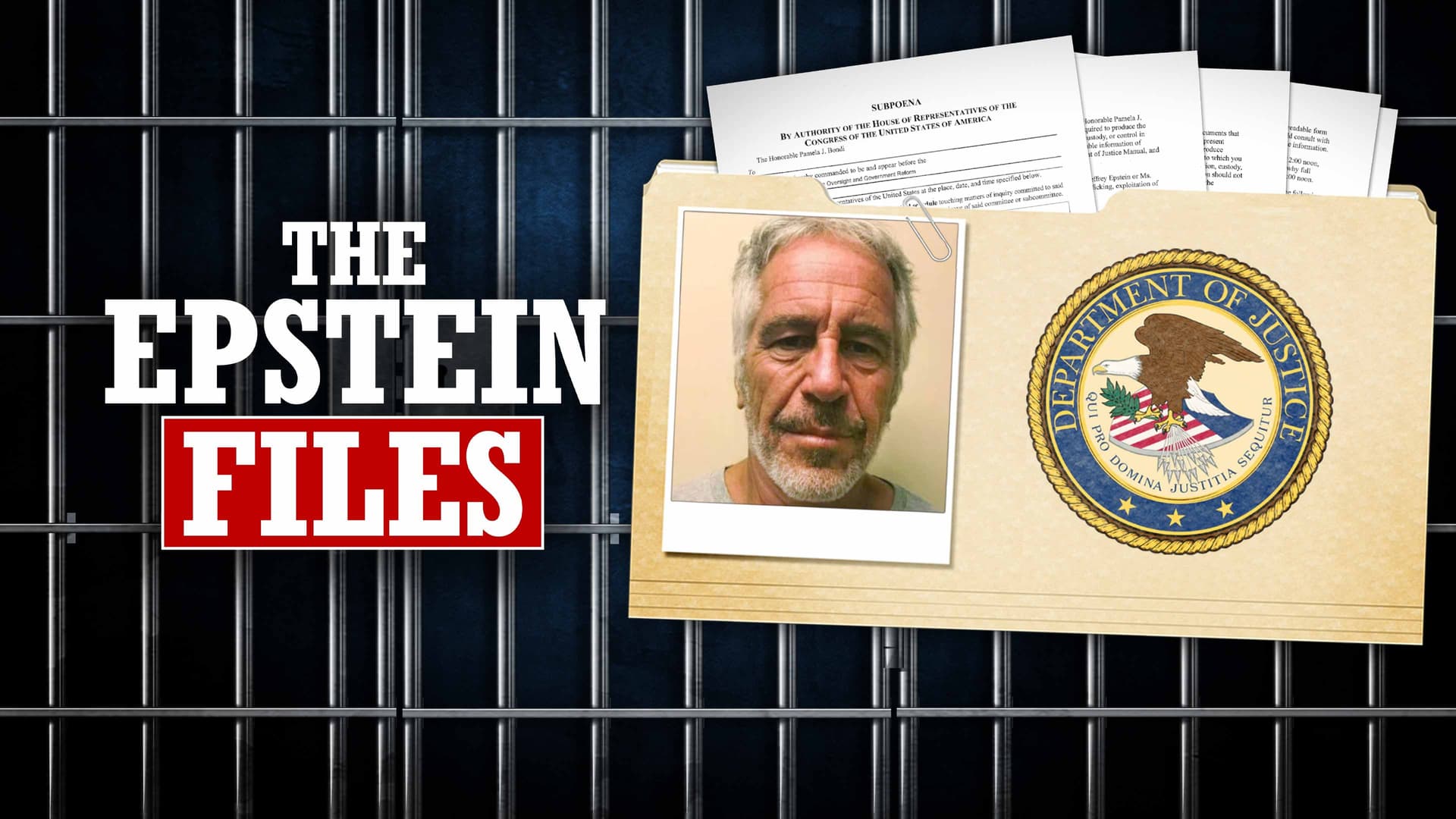
Manhattan’s top federal prosecutor told U.S. District Judge Paul A. Engelmayer that the court lacked authority to appoint a neutral expert to supervise the public release of investigative files connected to the Jeffrey Epstein and Ghislaine Maxwell sex‑trafficking probe. The statement, made in court filings and arguments on Friday, came amid a dispute over the pace and scope of document disclosures.
The clash stems from letters to the court by Khanna and Massie, who accused the Justice Department of providing an inadequate production of records. Their filings said roughly 12,000 documents have been released so far out of more than 2 million documents under review, a gap they described as a “flagrant violation” of statutory disclosure obligations that has caused “serious trauma to survivors.” Khanna and Massie asked the court to fashion a remedy; their filings said victims have requested such intervention. “We are informing the Court of serious misconduct by the Department of Justice that requires a remedy, one we believe this Court has the authority to provide, and which victims themselves have requested,” Khanna said in a statement quoted in the filings.
The Justice Department and the Manhattan U.S. attorney’s office defended the pace of disclosures, emphasizing the department’s dual obligations: to comply with statutory and court orders to produce investigative materials and to protect the identities and safety of alleged abuse victims. Prosecutors said the process has been slowed by time‑consuming redactions necessary to shield victims, and urged the court to consider those competing responsibilities before authorizing extraordinary oversight measures.
In a letter referenced by the parties, an official identified as Clayton told the court the department would provide another update “again shortly” on its progress producing the investigative files. The department argued that appointing a neutral expert to control or supervise production would exceed the court’s authority and risk intruding on prosecutorial functions that are entrusted to the executive branch.

The dispute raises legal and policy questions about transparency in high‑profile investigations and the limits of judicial remedies. Court appointment of experts to oversee government document disclosures is a rare step, generally reserved for situations where a court finds clear and continuing violation of its orders or statutory duties. The Justice Department’s position frames the issue as one of institutional separation: judges may order compliance with disclosure obligations, but they lack power to substitute an external overseer for the executive branch’s redaction and privacy judgments.
For victims and advocates seeking rapid public access to investigative files, the numbers cited by Khanna and Massie underscore frustration with a months‑long review process that they say denies survivors and the public timely transparency. For the Justice Department, the risk of inadvertent disclosure of identifying information has been the central rationale for a slower, more controlled rollout.
The court has not yet ruled on the scope of any remedy or on whether it may authorize independent oversight. The Justice Department’s pledge to update the court “again shortly” means another status filing is expected, and Judge Engelmayer will face a decision weighing disclosure demands against privacy protections and the limits of judicial authority.
This article was produced by Prism’s automated news system from verified source data, official records, and press releases, then run through automated quality and moderation checks before publishing. The system is built and supervised by the people who set the standards it runs under. Read our full AI policy.
Did this article answer your question?

