Justice Department seeks Fulton County election workers' personal data, county moves to block subpoena
The Justice Department wants the names, addresses and phone numbers of nearly 3,000 Fulton County election workers. County officials call the subpoena an intimidation tactic and want it quashed.
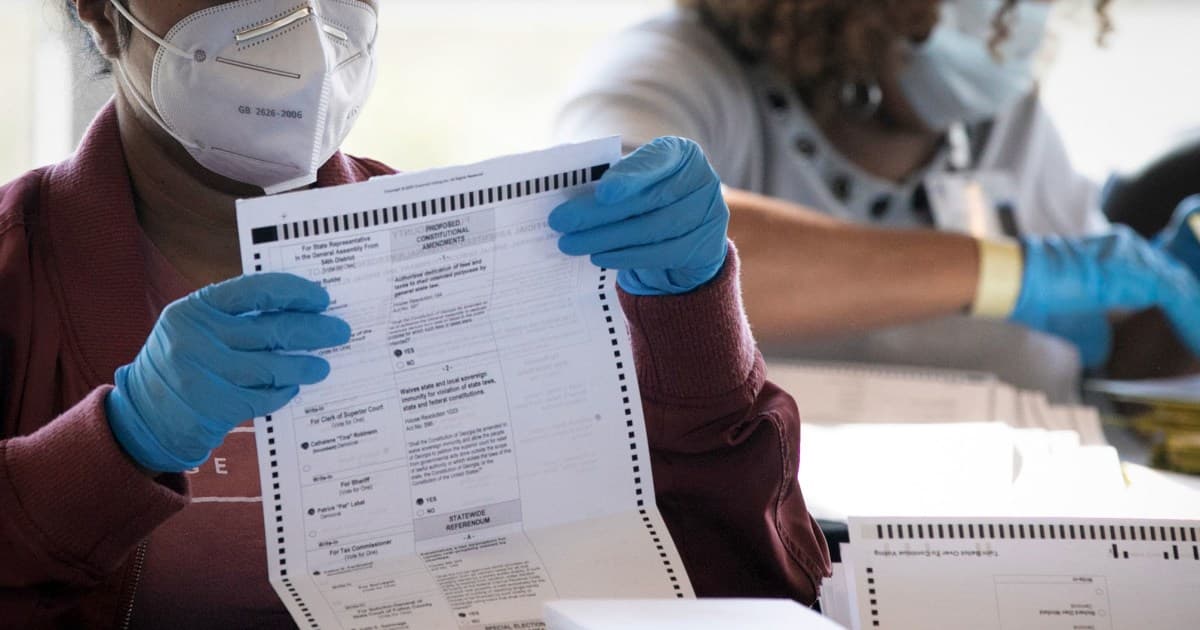
The Justice Department is seeking the names, addresses, phone numbers and other personal information of nearly 3,000 Fulton County, Georgia, election workers who helped run the 2020 presidential election, and county officials are asking a federal judge to stop it. The Fulton County Board of Registration and Elections filed a motion Monday night to quash the subpoena, arguing that the request reaches far beyond what is necessary and puts current and former election workers at risk.
The subpoena, reportedly dated April 17 and served on April 20, seeks records for permanent election staff and volunteer poll workers, according to the county’s filing. The county’s custodian of records was ordered to appear before a grand jury in Atlanta on Tuesday morning, underscoring how aggressively the federal government is pressing the matter. Fulton County officials have described the demand as a “fishing expedition,” “harassment” and federal overreach.
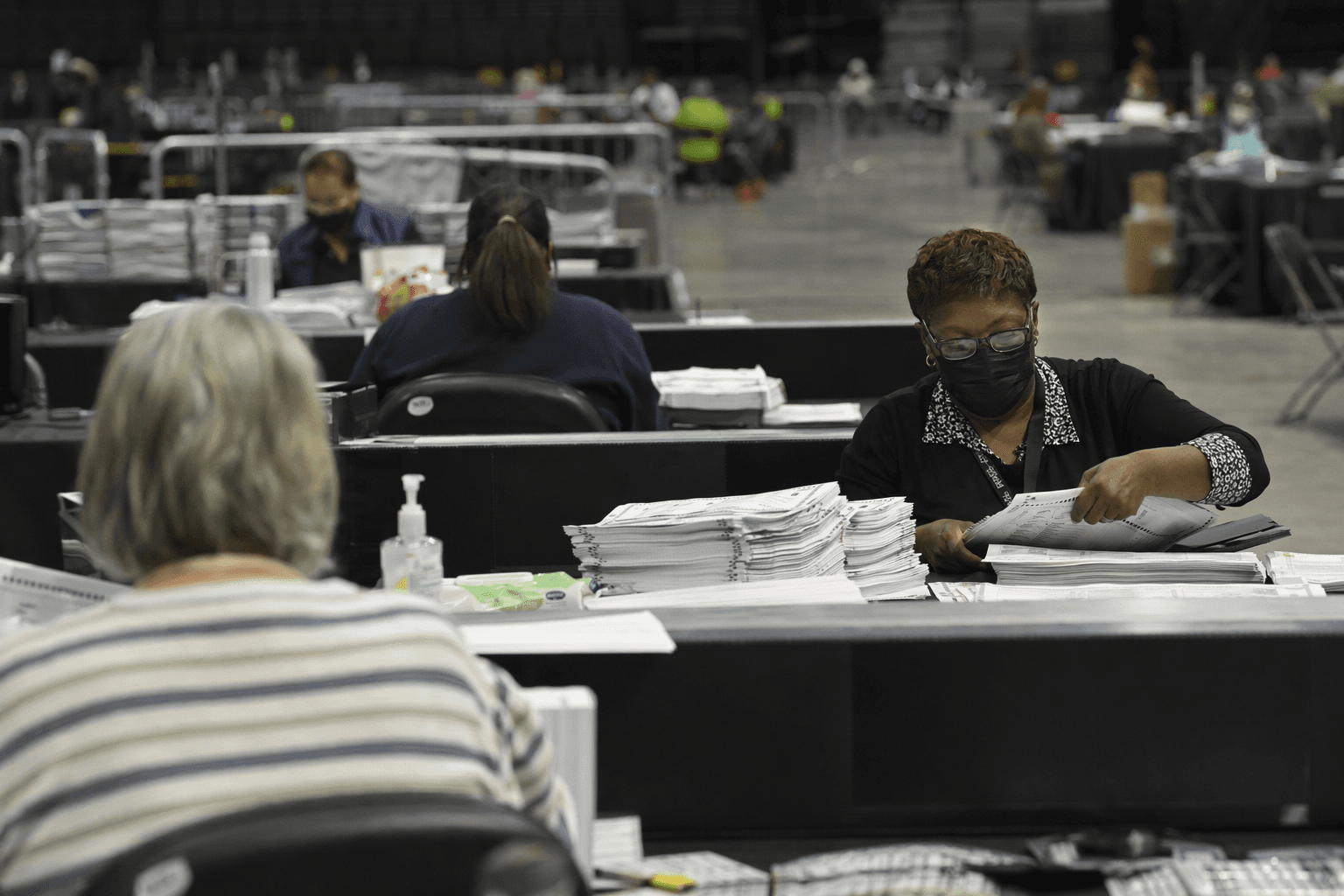
The dispute lands in the middle of a yearslong fight over Georgia’s 2020 election administration, where Fulton County has been a central target for Republicans and allies of Donald Trump. Georgia’s certified results showed Joe Biden defeating Trump by 11,779 votes out of nearly 5 million cast, a margin that has fueled repeated attempts to revisit the state’s handling of the contest. Earlier this year, the FBI went to a Fulton County elections warehouse and seized ballots and other documents tied to the 2020 election.


The legal fight now centers on whether the Justice Department can use a grand jury subpoena to pull the personal data of the people who staffed polling places and handled election operations nearly six years ago. County officials say the request is sweeping enough to capture the private details of workers who performed routine democratic duties, and that forcing disclosure could chill participation in future elections. For election administrators who have already endured scrutiny over 2020, the subpoena turns a records demand into a broader test of how far federal investigators can go without exposing the people who keep elections running.
This article was produced by Prism’s automated news system from verified source data, official records, and press releases, then run through automated quality and moderation checks before publishing. The system is built and supervised by the people who set the standards it runs under. Read our full AI policy.
Did this article answer your question?

