Justices defend Supreme Court amid ethics scrutiny and internal strain
Ethics scrutiny, internal strain and a crowded docket have put the Supreme Court on the defensive as its justices publicly argue for the institution’s legitimacy.
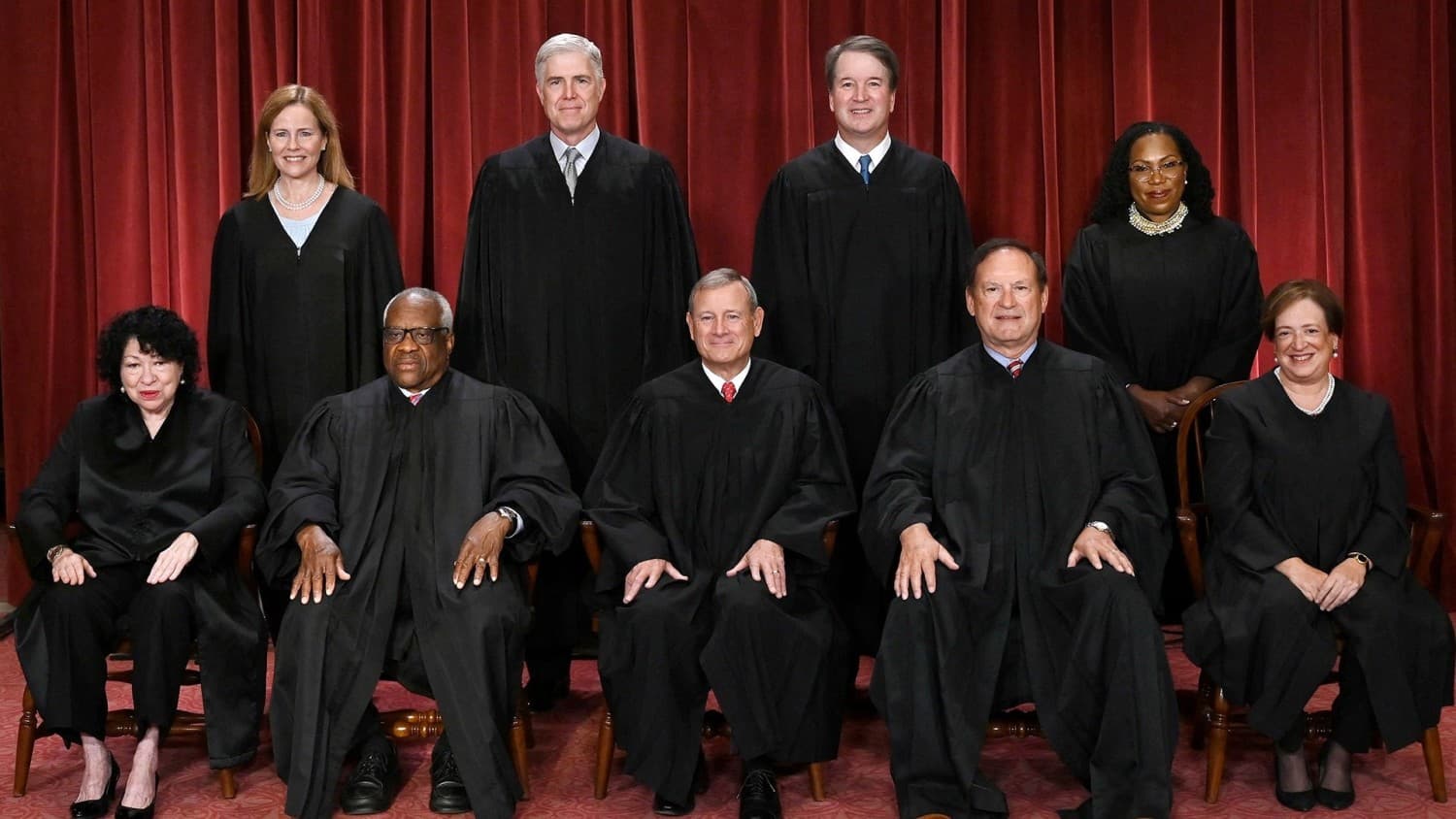
The Supreme Court has been defending itself in public at the same moment its own internal tensions are becoming harder to ignore. As justices travel across the country to explain the court’s role, the institution is also confronting ethics scrutiny, broader criticism of the federal judiciary and visible strain among its members.
The court tried to answer some of that pressure in November 2023, when it issued a Code of Conduct for Justices. The statement accompanying it stressed that, for the most part, the rules and principles were not new, saying the court had long relied on the equivalent of common-law ethics rules. That acknowledgment underscored the larger problem now facing the court: a formal code may help with optics, but it cannot by itself restore confidence if the public believes the justices are policing themselves too loosely.

Chief Justice John G. Roberts Jr. has made that legitimacy argument repeatedly in his year-end reports, which have emphasized the importance of public confidence in the judiciary. His 2024 report, issued on December 31, 2024, was the 20th he had written since becoming chief justice in 2005. The longevity of those reports reflects how central the theme has become. Roberts has cast trust in the courts as a prerequisite for the system’s authority, even as criticism of the judiciary has intensified outside the marble walls of One First Street.
That tension is sharpened by the way the court presents itself to the public. The Supreme Court says it generally hears two one-hour oral arguments in each session, and those hearings are open to the public. Its Journal of the Supreme Court of the United States records the official minutes and daily proceedings. The formal rituals project order and continuity. But they also stand in contrast to the more unsettled picture emerging from public remarks and writings, where strained relations among the justices have started to show.

The pressure is not limited to the Supreme Court itself. The federal judiciary reported 37 Article III judge vacancies as of December 31, 2024, and 21 of them were designated judicial emergencies. That backlog leaves fewer judges to carry a heavier load, adding administrative strain to the ethical and institutional arguments swirling around the high court. Together, the vacancies, the conduct code and Roberts’ appeals for confidence point to a court trying to shore up legitimacy while the foundations around it look increasingly fragile.
This article was produced by Prism’s automated news system from verified source data, official records, and press releases, then run through automated quality and moderation checks before publishing. The system is built and supervised by the people who set the standards it runs under. Read our full AI policy.
Did this article answer your question?