Kaktovik, Only Village in Arctic National Wildlife Refuge, Hosts Polar‑Bear Viewing
Kaktovik hosted guided polar-bear viewing, drawing more visitors and stressing limited lodging, safety rules, and permit requirements for the local community.
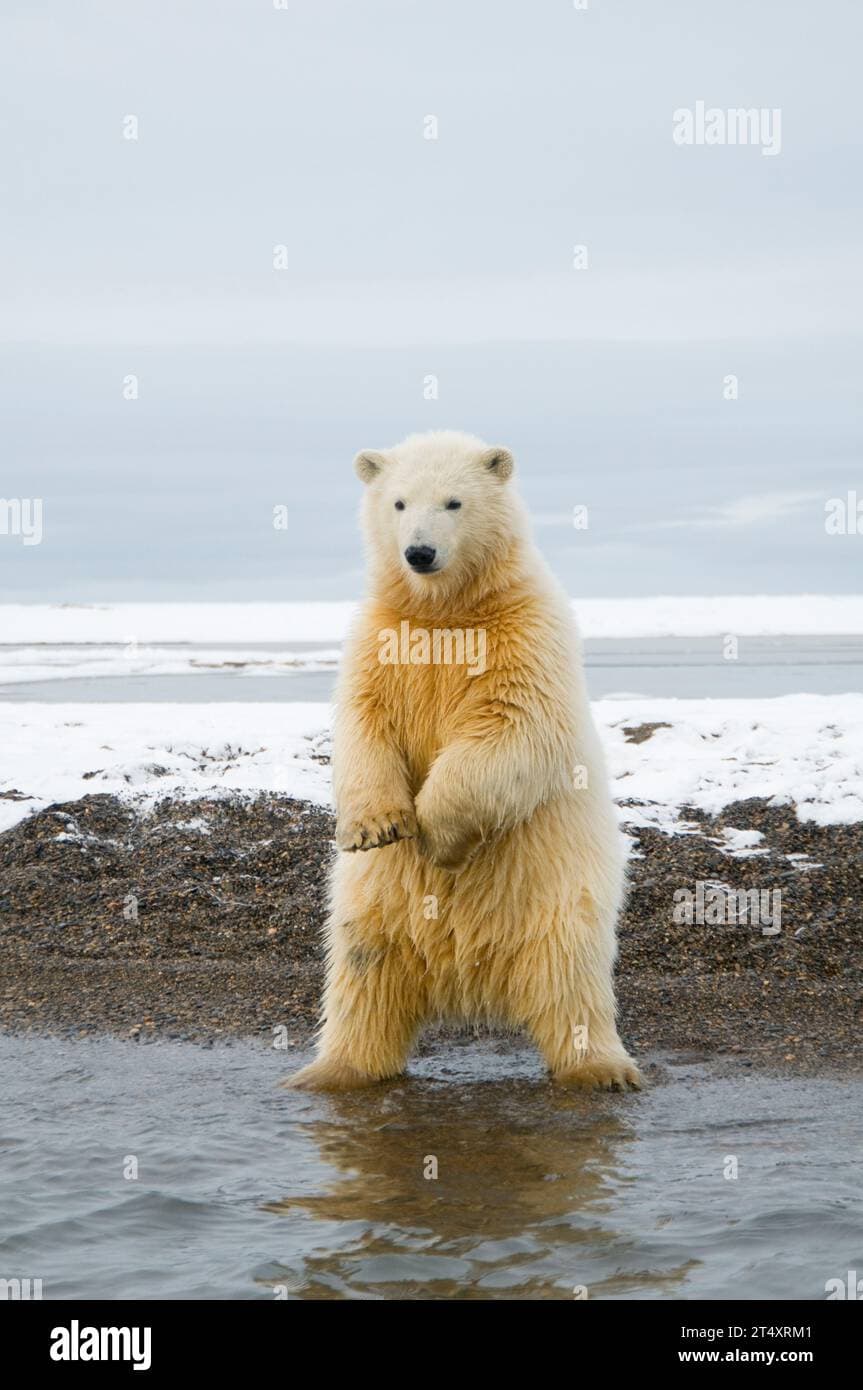
Polar-bear viewing centered on the village of Kaktovik on Barter Island has become a high-stakes seasonal economy and a community management challenge. The prime viewing window is the ice-free period: polar bear season runs from August through October, with most visitors arriving in September, though "polar bears can be spotted throughout the year." Boat-based tours that reach protected lagoons and barrier islands are promoted as the safest way to see and photograph bears while keeping distance from shorelines where bears sometimes feed on bowhead whale remains.
Visitor numbers have climbed rapidly: "Visitors viewing polar bears near Kaktovik and on Refuge waters have increased exponentially since 2011." That rise has translated into pressure on a village with very limited visitor capacity. Lodging is limited and often shared two-per room; the Kaktovik Inn lists its address as 4091 Hula Hula Avenue, P.O. Box 59, Kaktovik, AK 99747, phone (907) 319-6700 and reservations@kic.biz. Local services include the Kaktovik Inupiat Corporation at 4089 Hula Hula Avenue, (907) 640-6120, open Monday through Friday 9 a.m. to 5 p.m., and the Kikiktak Store at 614 6th Street, (907) 640-6520, hours Monday–Friday 9 a.m. to 6 p.m. and weekends 12 p.m. to 6 p.m.
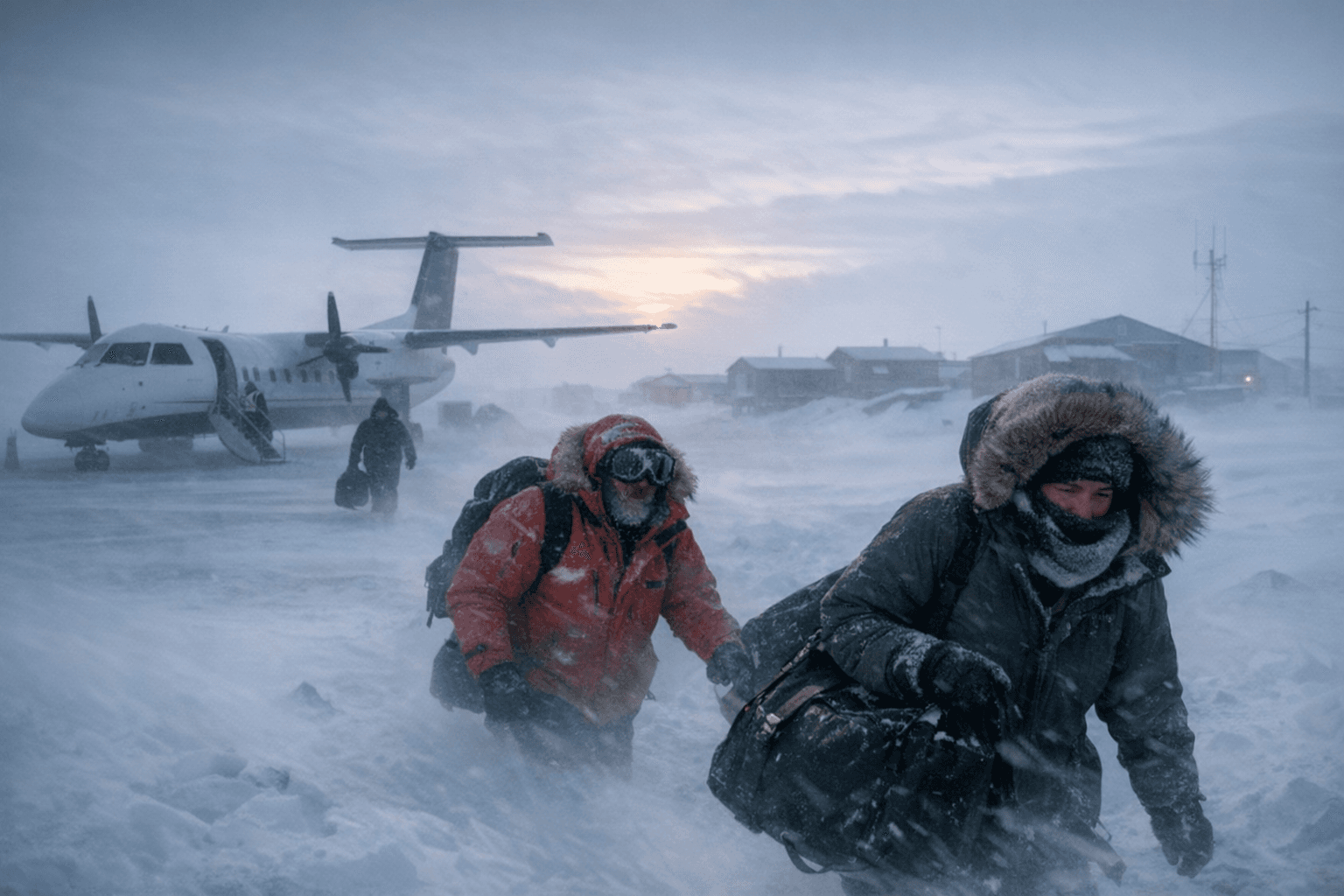
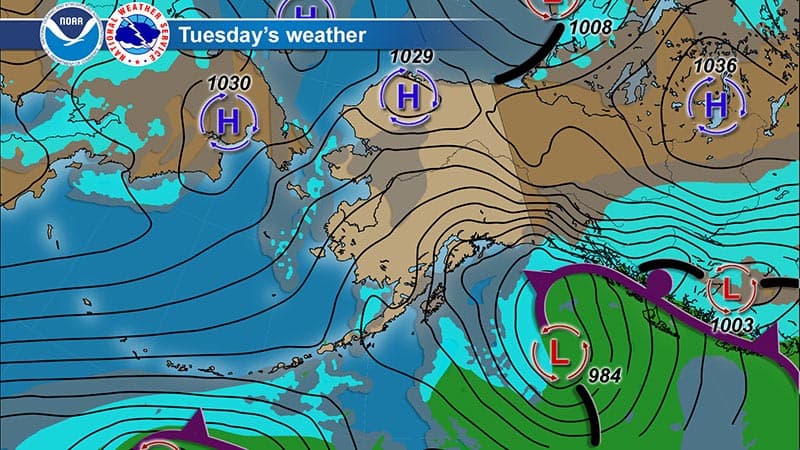
Access is by small commercial or charter flights, typically routed from Fairbanks; Arctic weather makes schedules unpredictable. Operators market photography-focused itineraries and short boat excursions. Typical operator offerings include 4-hour polar-bear viewing boat tours and all-inclusive photography tours running, in normal seasons, Aug. 20 through Oct. 15. Planet Earth Adventures advertises direct flights from Fairbanks and multi-day expedition itineraries. One operator’s customer summarized the experience: "Viewing polar bears in Kaktovik has to be one of the most amazing wildlife viewing opportunities on the planet. It was a privilege to be able to view and photograph the bears with knowledgeable and respectful local tour guides Jack and Steve. Jack's deep knowledge of wildlife and skill reading weather combined with Steve's photographic skills make for the perfect guide combination. They navigated choppy conditions safely and at a respectable distance from the bears. And they provided warm all weather clothing to make sure we had a comfortable day on the water. Needless to say our photos were exceptional. Thank you to the Akook Team."
Regulatory and safety questions shape operations. "To ensure federal laws protecting polar bears are met, Kaktovik and the Refuge recommend viewing polar bears with a guide. Even with a guide, individuals must ensure their activities around polar bears are safe and lawful." Commercial permits for Refuge waters were suspended during 2020 and 2021; an ANWR-related letter quoted by an operator on Jan. 7, 2022 said "circumstances have not changed" and that officials "are still under orders from Fish and Wildlife Service not to issue permits; the community of Kaktovik remains closed to all non-essential travelers; and they remain committed to maintaining health and safety as the highest priorities." That operator stated, "We are NOT booking tours at this time. If anything changes, we will post an update here."
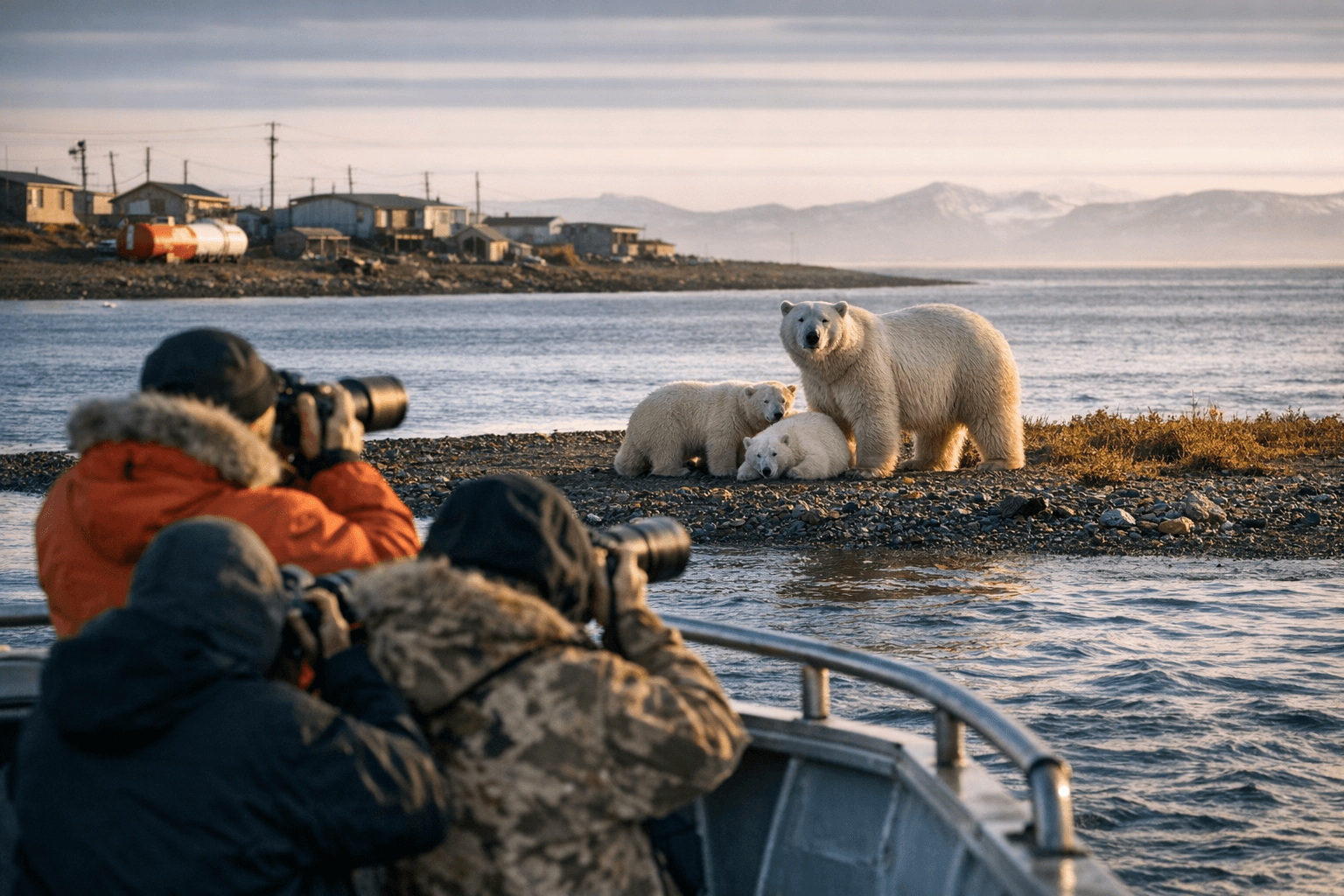
The community has adopted clear behavior rules to reduce conflict and protect culture. "During polar bear season, visitors are strongly discouraged from walking outside, especially at night." Visitors are urged to respect private property and traditional items: "Please do not beach comb as locals often keep bones, fossils, rocks, baleen, and wood in unclaimed areas that may not be obvious to the casual visitor." The guide also stresses that "Archaeological artifacts belong to the landowner where they are found. The Kaktovik Inupiat community views these artifacts as sacred and belongs to the Native community," and asks that photographers "always seek permission from individuals first" and "ask the Captain of the successful crew for permission beforehand" before filming cultural events.
For North Slope residents and seasonal workers, the immediate implications are capacity and resource management: expect weather-dependent travel, limited rooms, and heightened enforcement of safety and permit rules. For residents who rely on subsistence hunts, the long-term issues are how continued visitor growth, federal permit policy, and shifting sea-ice patterns intersect with local livelihoods. Check current ANWR permit status before booking, confirm operator permits and safety plans, and observe local guidance on privacy, beachcombing, and photographing harvests.
Know something we missed? Have a correction or additional information?
Submit a Tip