Kashkari warns Fed may need to raise rates amid Middle East uncertainty
Kashkari said the Fed must stay open-minded as Middle East shocks could keep borrowing costs high and even force rate hikes instead of cuts.
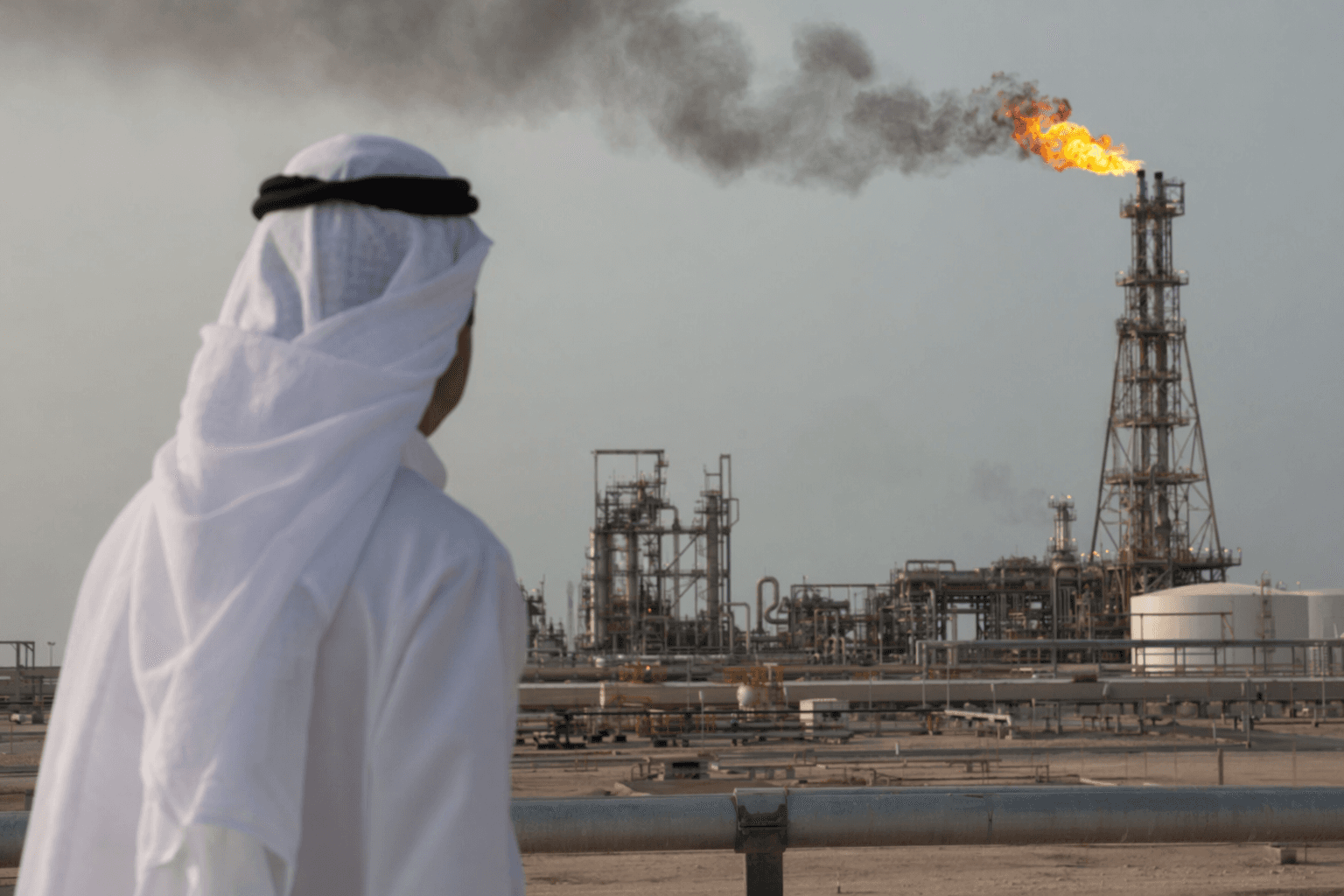
Borrowers who had been counting on Fed cuts this year got a sharper warning from Minneapolis Fed President Neel Kashkari: rates may not fall soon, and they could even rise if Middle East tensions hit oil supplies hard enough. Speaking on Face the Nation with Margaret Brennan on May 3, 2026, Kashkari said economists may be watching for a cut, but “we all need to be open-minded about where interest rates are going because there's so much uncertainty coming out of the Middle East.”
That message matters because the Federal Reserve already left its target range unchanged at 3.5% to 3.75% at its April 29 meeting, and the decision exposed a rare level of division inside the central bank. The Federal Open Market Committee voted 8-4, with Stephen Miran favoring a 25-basis-point cut and Beth Hammack, Kashkari and Lorie Logan backing a hold but objecting to language that suggested the next move would likely be lower. It was one of the most split Fed votes in decades.
Kashkari expanded on his position in an essay, Why I Dissented, published April 30, 2026. He wrote that he supported holding rates steady but opposed the statement’s forward guidance because he did not think the Fed should signal that the next move was likely to be a cut. He said his December and March Summary of Economic Projections still pointed to one more quarter-point cut in 2026, but the outlook had grown too uncertain to lock in that path.
The uncertainty Kashkari highlighted was not abstract. He said a prolonged closure of the Strait of Hormuz, or further damage to Middle East energy infrastructure, could trigger a large oil shock, push inflation higher and potentially force the Fed to consider rate hikes instead. That would be a direct hit to households and businesses already facing expensive credit. Mortgage rates, credit card balances and small-business loans would remain under pressure if the Fed stays higher for longer, and they could climb further if officials decide the next move is up rather than down.
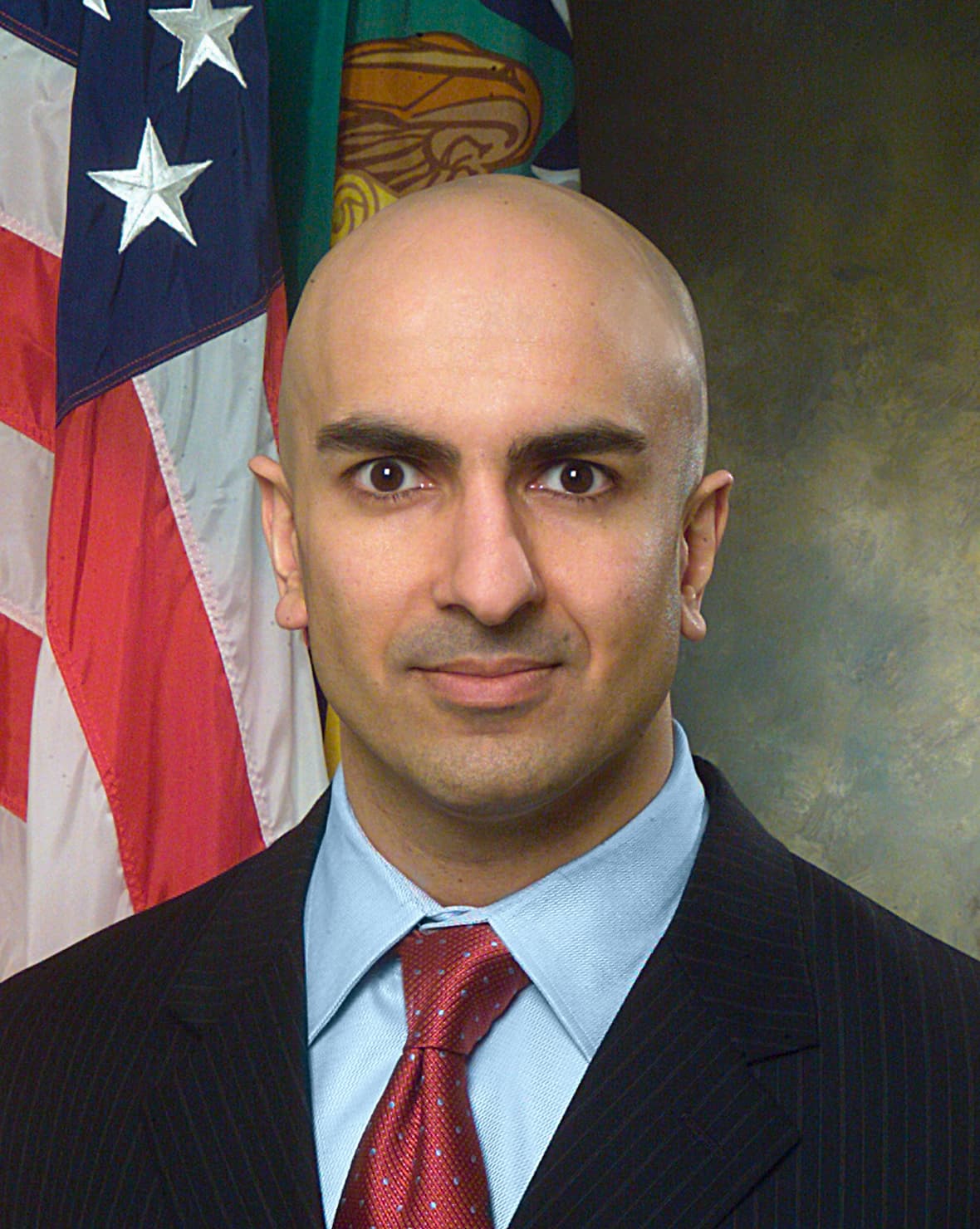
The Fed’s April 29 statement said officials would carefully assess incoming data, the evolving outlook and the balance of risks as they pursue maximum employment and a return to 2% inflation. Kashkari’s warning showed how quickly the path can change when energy prices, inflation and labor conditions collide. For now, the central bank is not just debating when to cut. It is leaving open the possibility that the next move could be a hike.
This article was produced by Prism’s automated news system from verified source data, official records, and press releases, then run through automated quality and moderation checks before publishing. The system is built and supervised by the people who set the standards it runs under. Read our full AI policy.
Did this article answer your question?