Chevron CEO warns Iran war may drive up fuel, airline prices
Chevron’s Mike Wirth said the Iran war was already tightening jet fuel and shipping, but warned the longer price path was impossible to predict.
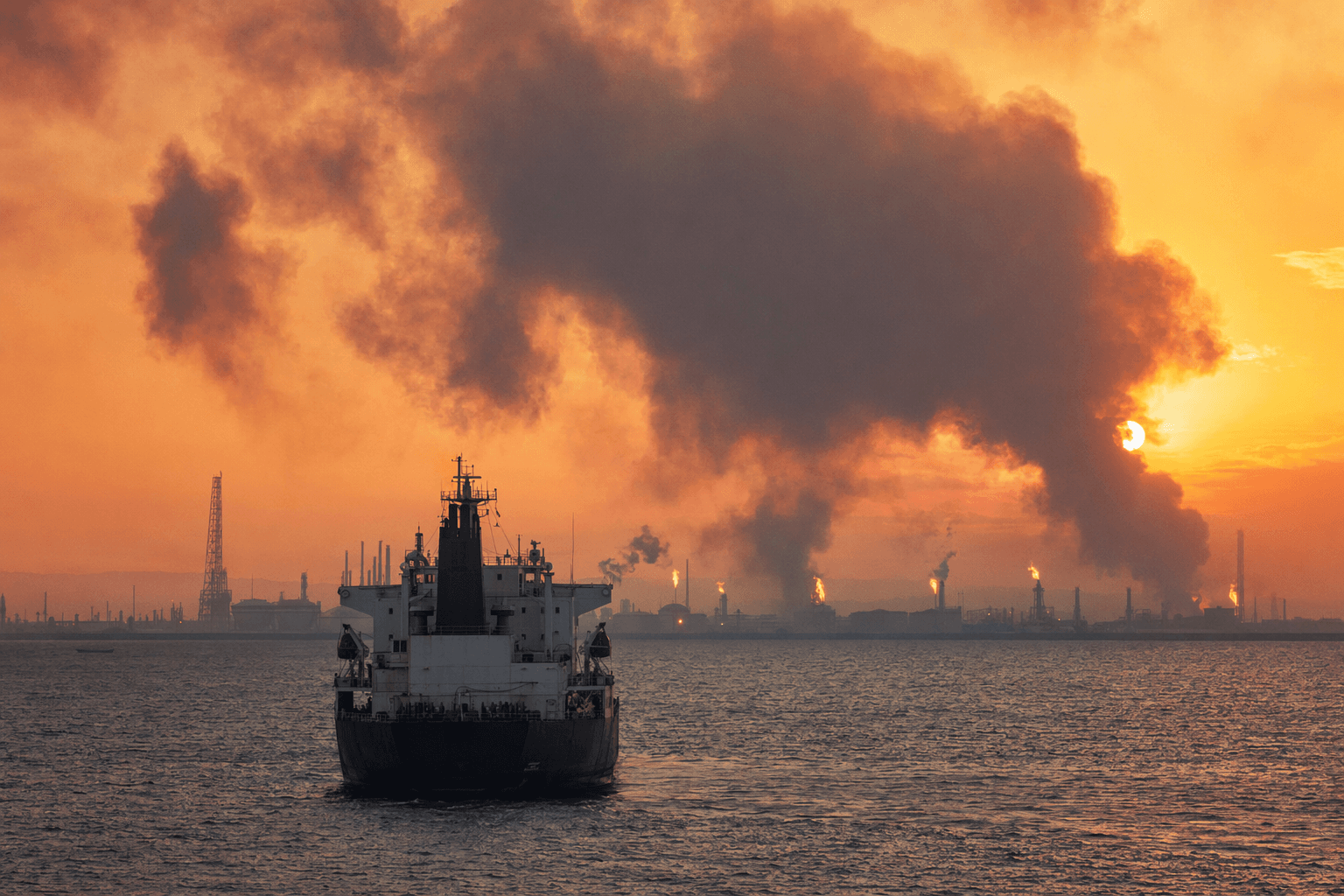
The Iran war has already begun pushing through the energy system in ways that travelers and shippers can feel, but Chevron CEO Mike Wirth said the longer-term price impact remains impossible to pin down. In an April 23 interview on Face the Nation with Margaret Brennan, Wirth said it was "very hard to predict" because "markets are dynamic. They can respond to things that we don't anticipate."
His warning landed as the first pressures were showing up beyond crude futures. Wirth said aviation would likely be one of the earliest sectors to feel the hit, with fares rising and fewer flights possible in the coming weeks as jet fuel tightened quickly in Europe and Asia. Airlines were already adjusting schedules, a sign that the conflict was moving from the oil screen into passenger travel and cargo capacity.
The numbers already reflected a strained market. On April 23, average U.S. gasoline prices stood at $4.03 a gallon and diesel at $5.47, according to CBS News, underscoring how the shock was reaching motorists, truckers and businesses that depend on freight fuel. The route from a military crisis to a higher gas pump total is straightforward: fears over supply lift crude benchmarks first, refiners pay more for feedstock and the cost then filters into gasoline, diesel and jet fuel.
The Strait of Hormuz is at the center of that chain reaction. Wirth said commercial vessels face risks from mines and from threats on land in the strait, and CBS News reported that he said naval escorts would likely be needed when the waterway reopens. The International Energy Agency described the disruption in its April 2026 Oil Market Report as the largest in history, after shipping through the chokepoint plunged during the war in the Middle East.
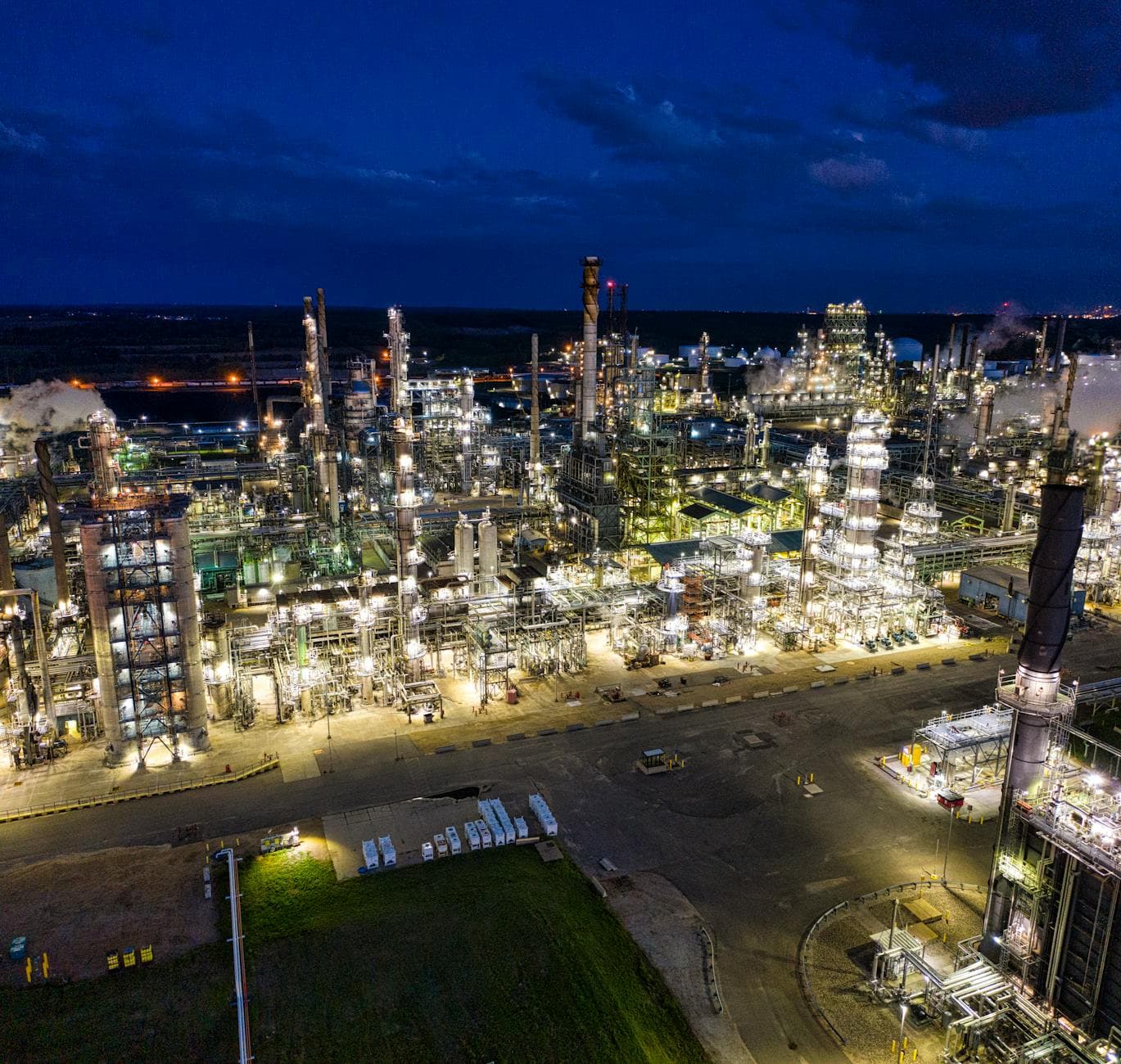
Markets have already reacted violently. CNBC reported that Brent crude jumped sharply on supply fears tied to the conflict and the Strait of Hormuz, reaching nearly $120 at its peak and rising more than 55% from the start of the war. Reuters said analysts raised oil-price forecasts for a second time since the fighting began, a sign that Wall Street and energy forecasters are still debating whether the shock will fade or deepen.
That uncertainty is exactly what Wirth was pointing to. Even as oil companies, airlines and traders try to model the next move, the conflict has already demonstrated how quickly a war near one narrow shipping lane can reshape fuel costs, air travel and the broader inflation outlook.
This article was produced by Prism’s automated news system from verified source data, official records, and press releases, then run through automated quality and moderation checks before publishing. The system is built and supervised by the people who set the standards it runs under. Read our full AI policy.
Did this article answer your question?

