Weaker Dollar Is Quietly Raising Prices for Travel, Groceries, Imports
A softer dollar is already seeping into grocery aisles and summer travel, lifting the cost of imports even as exporters catch a break.
The household bill channel
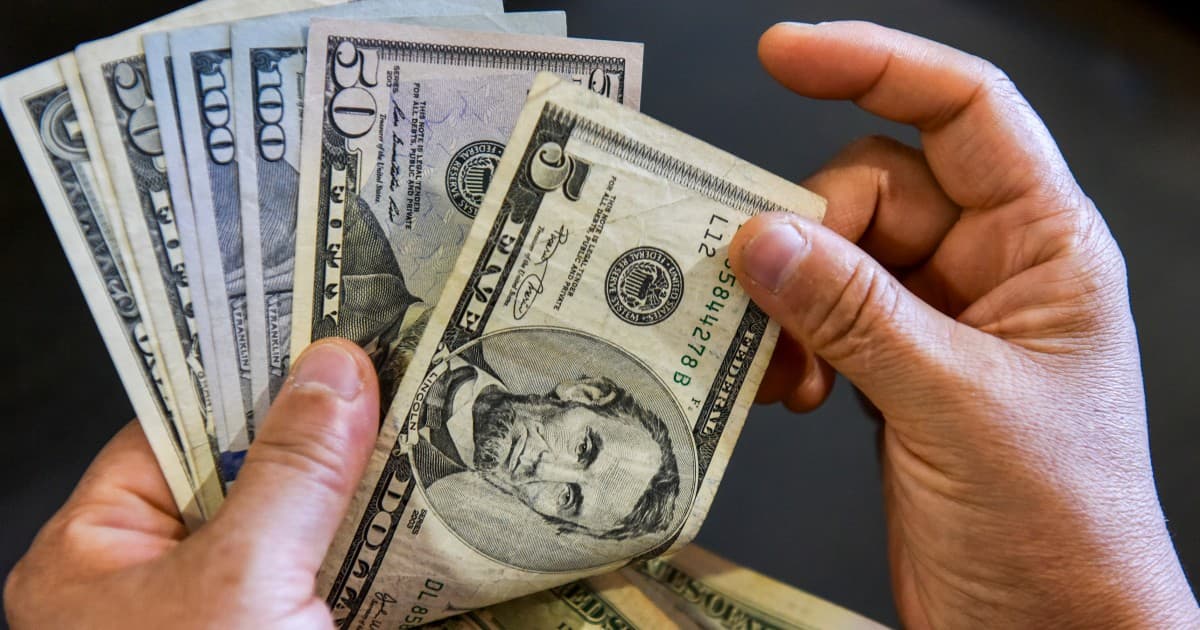
A weaker dollar does not just matter to traders in Washington, D.C. It can show up in the price of the things families buy most often, from imported groceries and consumer goods to airfare and overseas vacations. The Federal Reserve’s broad nominal dollar index stood at 118.7294 on April 24, 2026, and Trading Economics said the dollar had weakened about 1.8% over the prior month and about 1.8% over the previous 12 months as of May 1, 2026.
That shift matters because currency moves are not abstract. The Bureau of Economic Analysis says that when the dollar depreciates against major foreign currencies, U.S. exports generally become cheaper abroad while the dollar cost of imports rises. For households, that means the same shipment of foreign-made goods can land on store shelves at a higher price in dollar terms, and a foreign trip can cost more before the plane even takes off.
Where the weaker dollar reaches into everyday spending
The most visible effects often appear in ordinary purchases rather than in financial headlines. Imported groceries, consumer goods, and travel costs are all vulnerable when the dollar loses value, because many of those prices are ultimately tied to what U.S. buyers must pay in foreign currency. A weaker dollar can also affect gas and fuel-linked costs, since fuel imports are part of the import-price picture.

That is why the dollar’s movement matters most when it intersects with fixed household budgets. A few percentage points of currency depreciation can leave a noticeable imprint on summer travel, restaurant bills, packaged food, clothing, electronics, and other goods that depend on international supply chains. The pain is often gradual, which makes it easy to miss until the credit card statement arrives.
The latest price data point in the same direction
Recent inflation data reinforce the pressure. The Bureau of Labor Statistics said U.S. import prices rose 2.1% over the 12 months ending in March 2026, the largest year-over-year increase since December 2024. On a month-to-month basis, import prices increased 0.8% in March after a 0.9% rise in February, showing that the upward trend was not a one-month fluke.
The composition of those increases matters. Fuel import prices rose 2.9% in March 2026, while nonfuel import prices climbed 0.6%. That combination helps explain why households can feel the effects in different places at once, from energy-related costs to shelf-stable goods and consumer products assembled overseas. Even when a product is not fully imported, a weaker dollar can raise input costs and shipping-related expenses that eventually filter through to shoppers.
Tariffs and currency weakness are working in the same direction
The dollar is not pushing prices higher in isolation. In June 2025, the Federal Reserve said higher tariffs on U.S. goods imports were already pushing up prices for some consumer goods. At the time, the 12-month change in the personal consumption expenditures price index was 2.1% in April 2025, which underscores how tariffs and exchange rates can both feed into the same household budget pressures.
That overlap is important because it can make import costs harder to separate from broader inflation. If tariffs raise the cost of selected goods while the dollar weakens at the same time, importers face a double squeeze: they pay more to clear customs and more to convert dollars into foreign currency. Consumers typically see the result in higher retail prices, especially for goods that are difficult to source domestically.
Summer travel gets more expensive before the vacation starts
Travel is one of the clearest ways a weaker dollar reaches ordinary households. Overseas trips become pricier when the dollar buys less abroad, which affects hotels, meals, transit, admissions, and everyday spending once travelers leave the United States. Even airfare can feel the effect indirectly if airlines face higher costs for fuel, aircraft parts, or foreign-denominated expenses.
That makes exchange rates especially relevant during the peak vacation season. A family planning a trip overseas may find that the same budget covers fewer nights, fewer meals out, or fewer extras than it would have when the dollar was stronger. The impact is not limited to luxury travel either, because the exchange rate shapes the total bill for anyone paying in a foreign currency.
Why businesses can benefit while shoppers pay more
The downside for consumers is the upside for many multinational corporations. When companies earn money overseas, a weaker dollar can lift the value of those foreign earnings once they are converted back into dollars. That can help corporate results, even if it leaves households facing pricier imports and travel costs.
This split explains why exchange-rate moves can produce conflicting reactions across the economy. Exporters often welcome a weaker dollar because U.S. goods look cheaper to foreign buyers, while import-dependent retailers, travelers, and consumers tend to feel squeezed. In the BEA framework, the same depreciation that helps U.S. exports compete abroad also raises the dollar cost of bringing foreign goods home.
What policymakers are watching in Washington
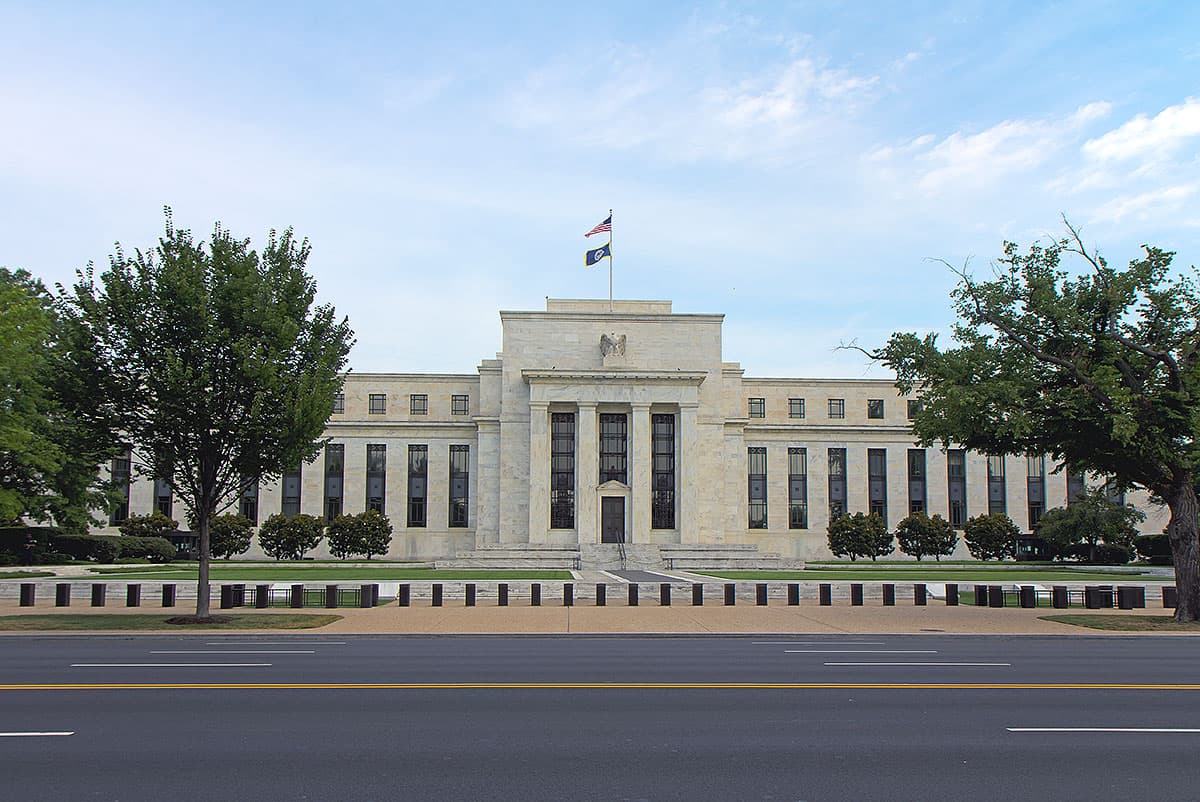
Exchange-rate policy remains part of the broader economic policy debate in Washington. The U.S. Department of the Treasury’s foreign exchange report reviews the exchange-rate policies of major trading partners, and its January 2026 report said no major U.S. trading partner manipulated its currency. That kind of monitoring does not directly reverse day-to-day currency moves, but it signals that policymakers are watching for competitive devaluations and spillovers.
The International Monetary Fund has also flagged the issue in a larger global context. Its October 2025 World Economic Outlook chapter said the sharp depreciation of the U.S. dollar had been notable against the backdrop of trade shocks and import-price dynamics. The broader message is that exchange rates are not just a market chart; they shape inflation, trade flows, and household purchasing power across borders.
The bottom line for budgets
The dollar’s recent slide is not dramatic enough to dominate every monthly expense, but it is strong enough to quietly nudge prices higher where households feel them most. That includes imported groceries, consumer goods, fuel-related costs, and the price of travel abroad. If the dollar stays softer and import prices keep rising, the effect will continue to show up less on Wall Street screens than in the weekly grocery run and the summer travel budget.
This article was produced by Prism’s automated news system from verified source data, official records, and press releases, then run through automated quality and moderation checks before publishing. The system is built and supervised by the people who set the standards it runs under. Read our full AI policy.
Did this article answer your question?

