Kashkari warns tariffs and oil shock could force Fed hikes
Kashkari said a prolonged oil shock and tariff-driven prices could still push the Fed to raise rates, even as housing inflation and wages cool.
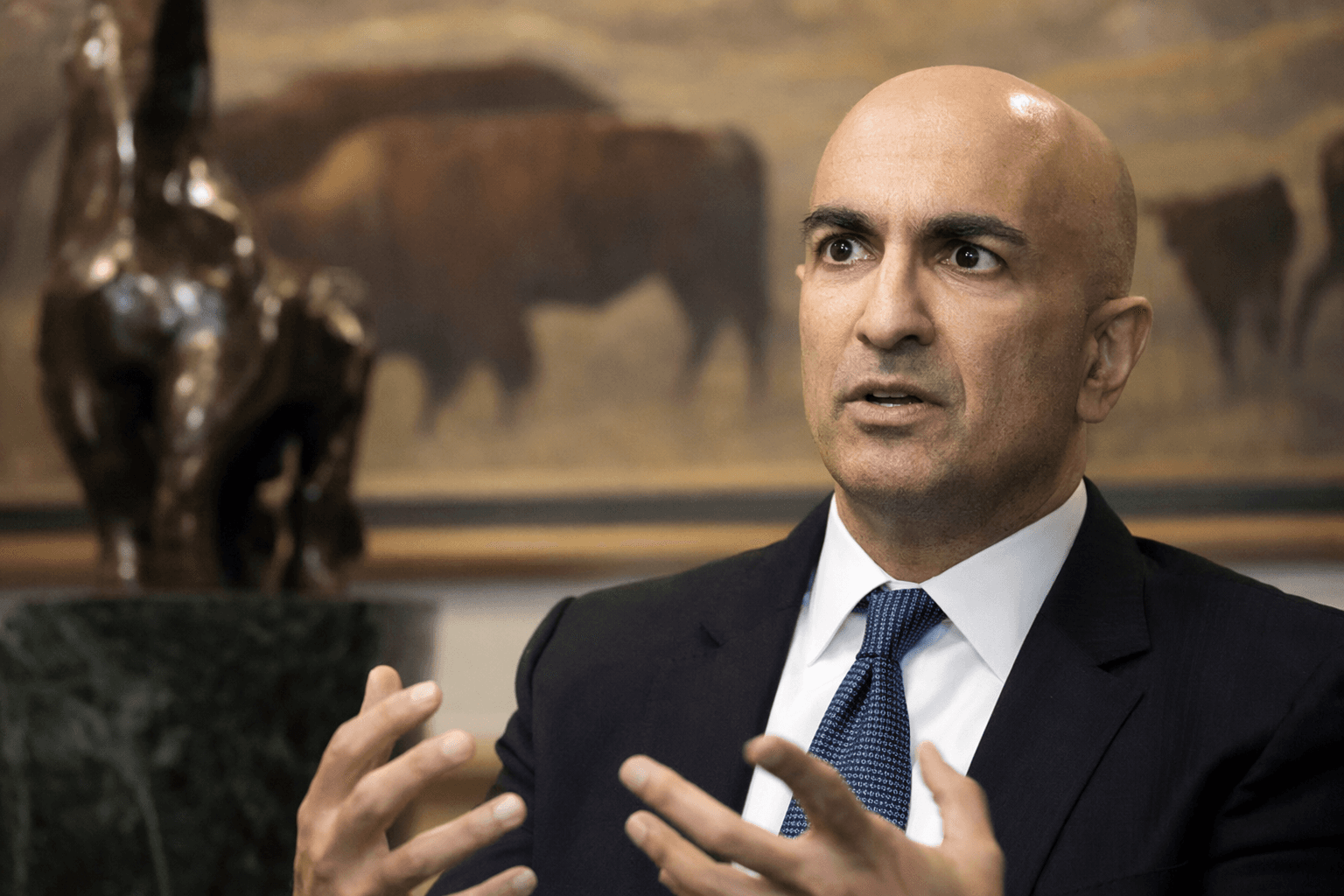
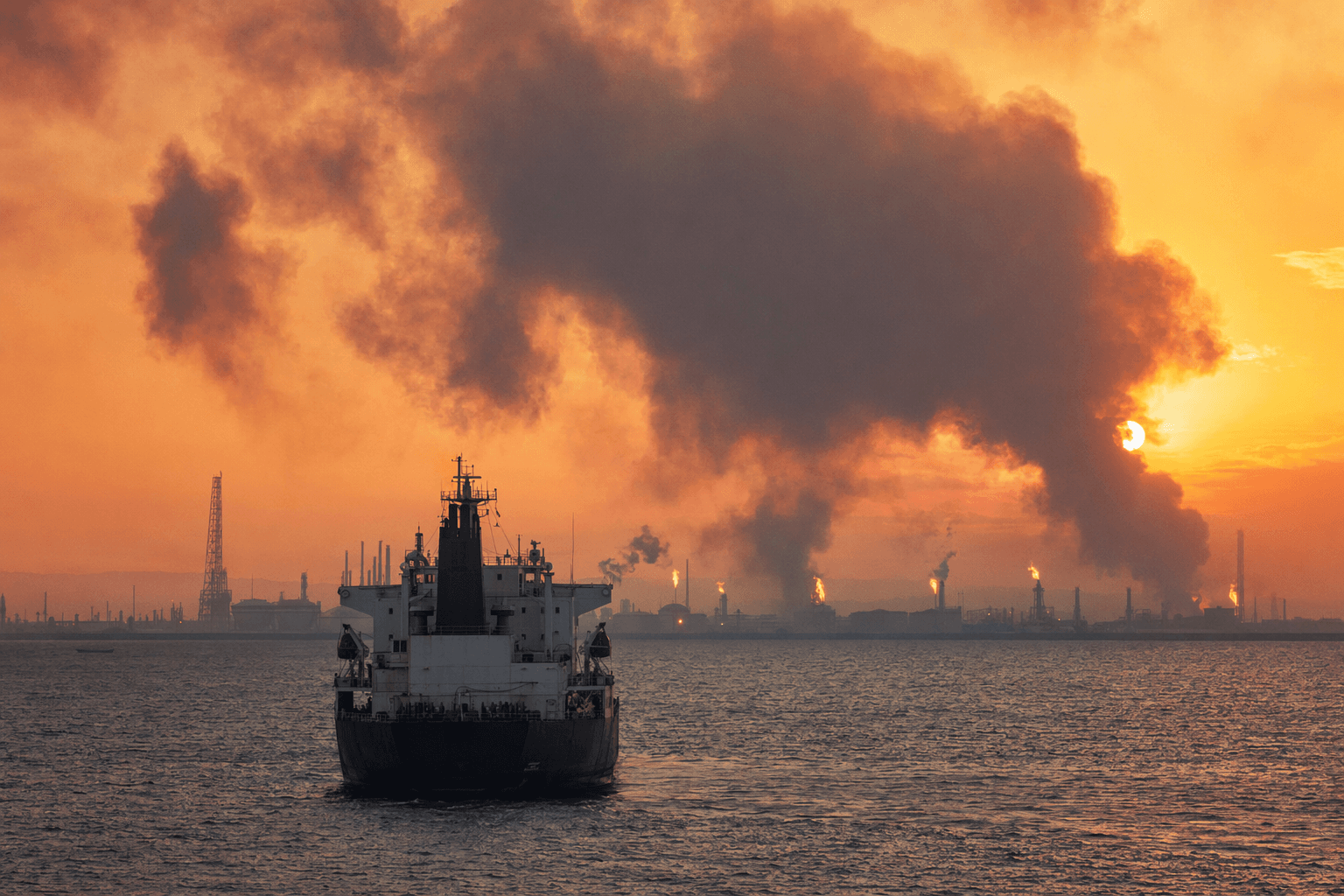
Kashkari’s sharpest warning was not about the Fed’s next move today, but about how quickly that move could change if energy and trade shocks keep feeding inflation. Speaking on Face the Nation with Margaret Brennan, the Minneapolis Fed president put new pressure on an already unsettled rate debate by saying an extended disruption in the Strait of Hormuz could force policymakers into “potentially a series” of rate hikes to defend the central bank’s 2% inflation target.
The comments landed days after the Federal Reserve held interest rates steady on April 29, a decision Kashkari opposed. That meeting came with an unusually divided policy discussion, and the Fed said it would keep weighing labor market conditions, inflation pressures, inflation expectations, and international developments. Kashkari’s message suggested those international developments, especially the war in Iran and the jump in oil prices tied to it, could become the dominant factor if the shock lasts.
Kashkari has already argued that tariffs are showing up in the price data. In a May 1 essay, he said tariffs had clearly pushed up goods inflation, but he also said the effect should fade in 2026 as prices adjust. At the same time, he pointed to signs that inflation is still losing momentum elsewhere in the economy: housing-services inflation was easing, new lease prices had fallen to low levels, and wage growth continued to cool. That combination helps explain why he has not called for immediate tightening, even as he warned that a deeper energy shock could change the calculus.
The labor market also remains part of the Fed’s balancing act. Minneapolis Fed materials said unemployment had hovered around 4.3% since May 2025, a level that suggests the economy is still holding up even as hiring softens. That makes the Fed’s task harder: price pressures are not gone, but the case for aggressive hikes would carry more risk if growth weakens further or if higher borrowing costs hit consumers and businesses already facing expensive fuel.
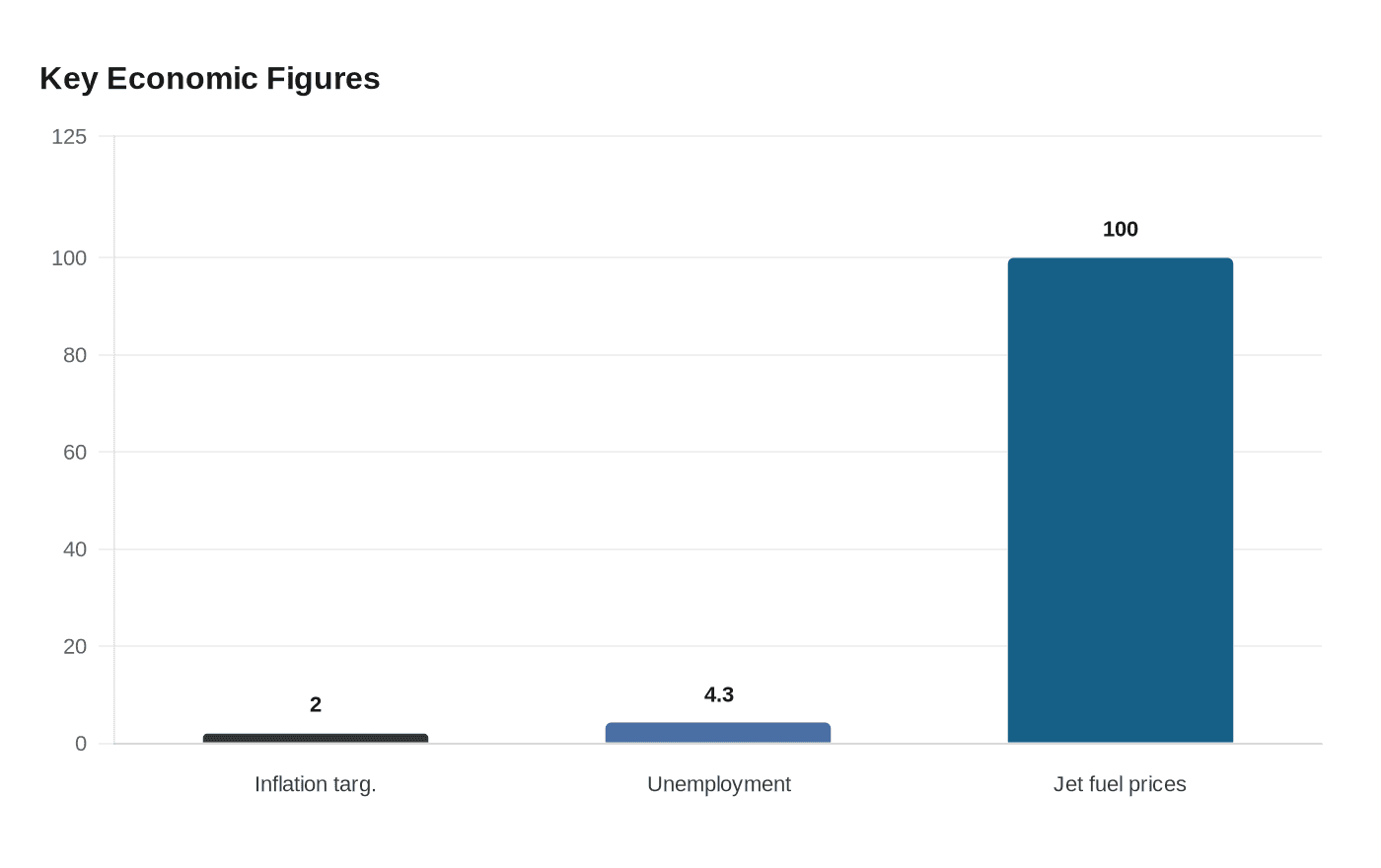
The stakes were visible beyond monetary policy. CBS News said the episode aired as gas prices surged and Spirit Airlines shut down, and Reuters reported that Spirit ceased operations on May 2 after failing to secure a bailout deal, following a doubling in jet fuel prices during the Iran war. That collapse underscored how quickly an oil shock can spread from the pump to balance sheets, travel demand, and recession risk. For the Fed, Kashkari’s warning was a reminder that tariff inflation may fade, but an energy shock tied to the Middle East could still force a much harder turn in rates.
Know something we missed? Have a correction or additional information?
Submit a Tip