Katalyst Space mission aims to rescue NASA’s Swift observatory
Katalyst Space’s LINK spacecraft was set to chase Swift before a fall 2026 reentry. A successful rescue would be a first for commercial robotic servicing.

NASA set June 30, 2026, as the no-earlier-than launch date for Katalyst Space’s LINK spacecraft, a mission meant to rendezvous with Swift and raise the observatory’s orbit. The effort would be the first commercial vehicle to capture an uncrewed NASA science satellite that was never designed to be serviced in space.
Swift, officially the Neil Gehrels Swift Observatory, launched in 2004 and has spent more than two decades tracking gamma-ray bursts and other high-energy cosmic events. NASA calls gamma-ray bursts the most powerful explosions in the universe, and Swift spots sudden events so other space and ground-based observatories can move in for follow-up observations.
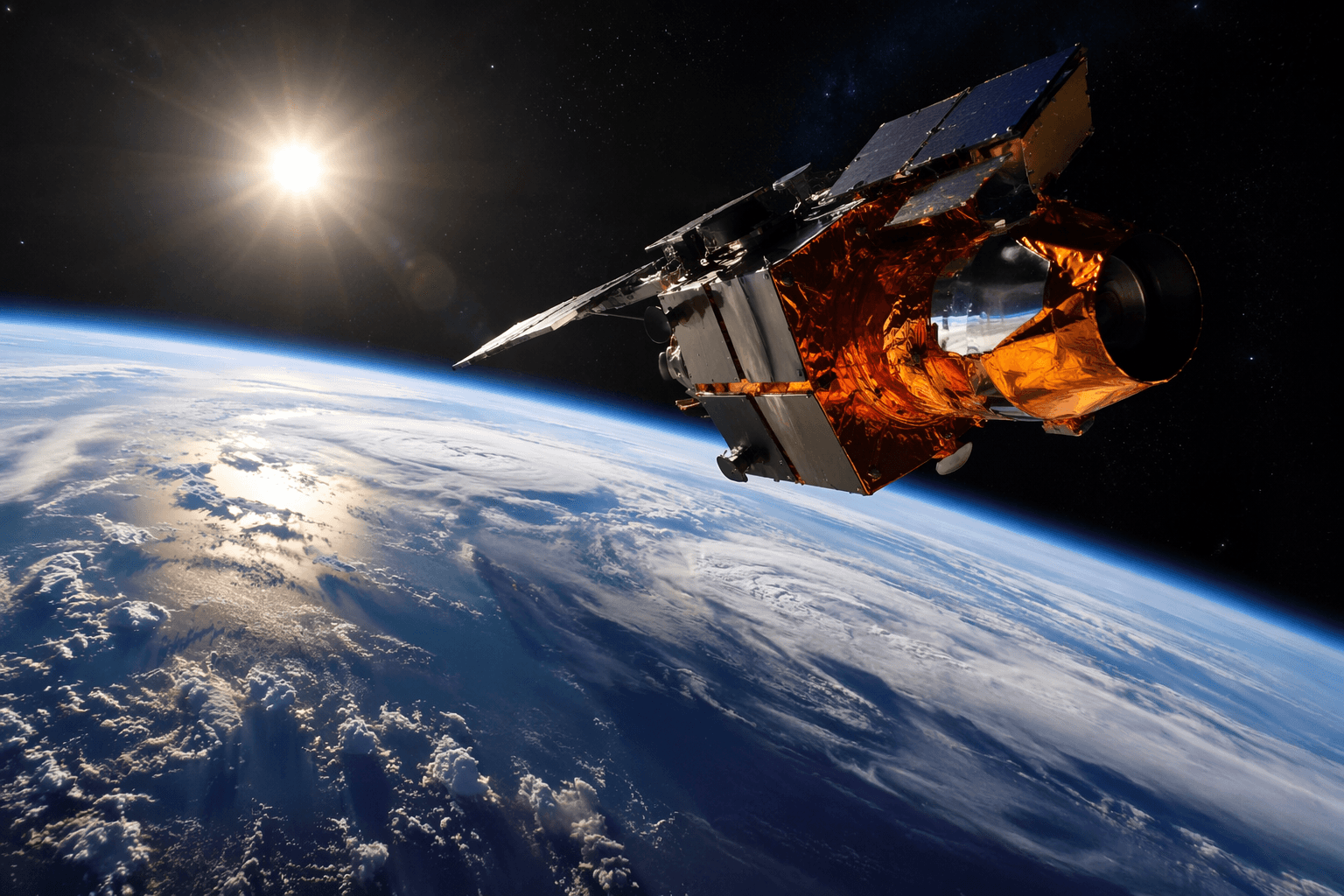
The spacecraft now sits in a rapidly decaying orbit. Increased solar activity has accelerated that decay, pushing Swift from about 600 kilometers in altitude to about 400 kilometers. Without intervention, the observatory was expected to re-enter Earth’s atmosphere in fall 2026, with some NASA guidance putting the timeline at late 2026.
NASA awarded Katalyst Space a contract in September 2025 to attempt the orbit-raising mission. LINK is planned to launch on Northrop Grumman’s Pegasus XL rocket from Kwajalein Atoll in the Marshall Islands after integration at NASA’s Wallops Flight Facility in Virginia. The spacecraft will then try to rendezvous with Swift, grapple it and slowly raise its altitude over several months.
The mission is meant to extend Swift’s science life and advance U.S. spacecraft servicing technology. It would be the first commercial robotic mission to capture a NASA spacecraft that is uncrewed and not originally built for servicing.
This article was produced by Prism’s automated news system from verified source data, official records, and press releases, then run through automated quality and moderation checks before publishing. The system is built and supervised by the people who set the standards it runs under. Read our full AI policy.
Did this article answer your question?