Kazakhstan’s president calls for freeze in Ukraine war alongside Putin
Tokayev called for freezing the Ukraine war beside Putin in Omsk, and Kremlin spokesman Dmitry Peskov shot it down as "impossible."

Kassym-Jomart Tokayev used a public appearance beside Vladimir Putin in Omsk to call for freezing Russia’s war in Ukraine, a striking message from a neighbor that usually balances carefully around Moscow. The two leaders were attending the 22nd Russia-Kazakhstan Interregional Cooperation Forum on July 25, and Tokayev’s remarks landed as a direct test of how much war fatigue has spread through Russia’s regional orbit.
Tokayev urged a halt to further escalation and, in follow-up accounts of the exchange, pressed for a revived version of the 2022 Istanbul peace talks. That kind of freeze would not amount to a final settlement. In practice, it would lock in the current front lines, stop active fighting and leave the question of territory unresolved, while negotiations, sanctions pressure and security guarantees would remain open questions rather than settled ones.
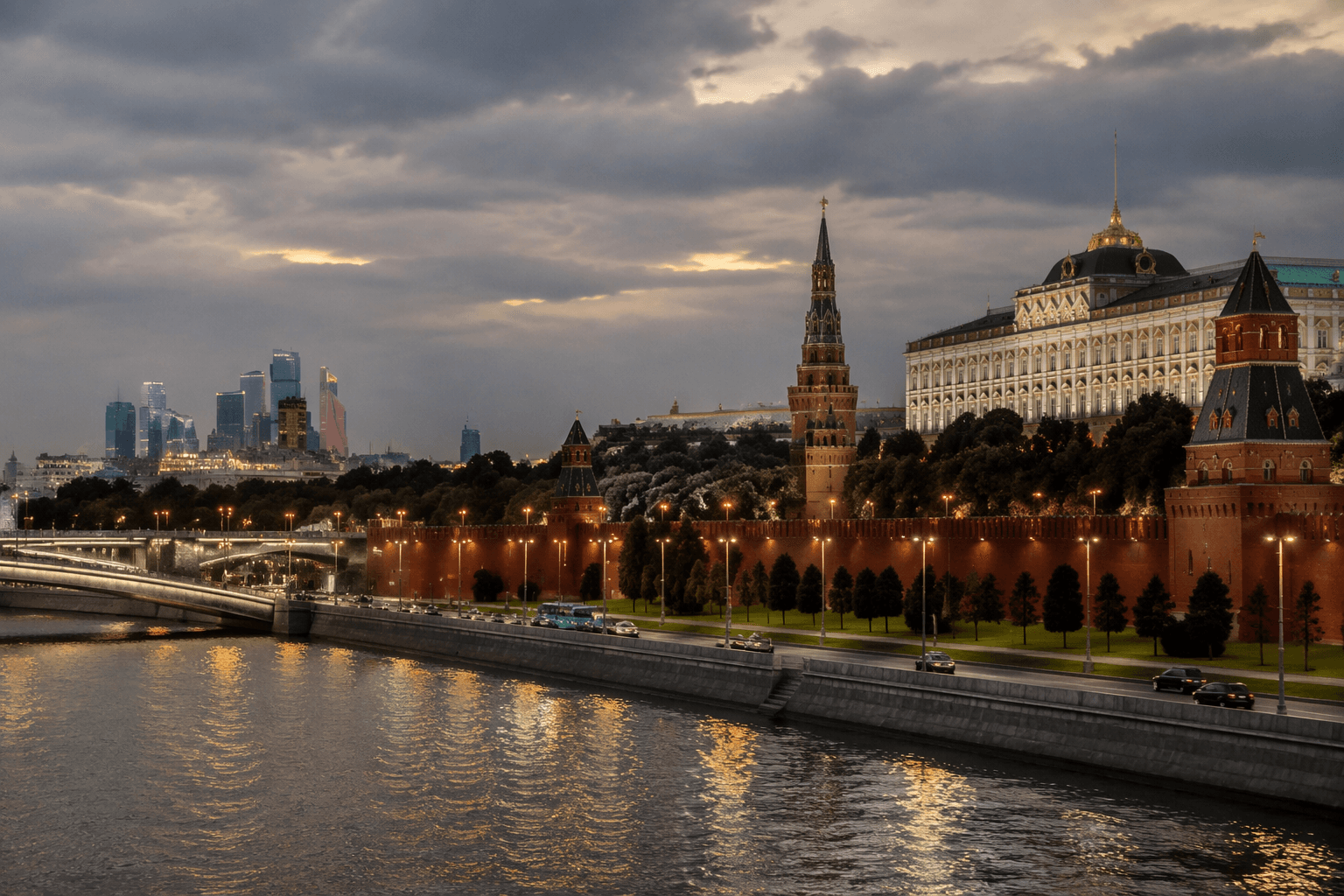
The diplomatic weight of the message came from who delivered it. Kazakhstan shares a long border with Russia and sits inside the same regional economic and security architecture, yet Tokayev has also worked to preserve room for maneuver with the broader international system. A public call for de-escalation, delivered next to Putin, suggested concern in Central Asia about trade disruption, energy security and the wider spillover from a prolonged war. For Moscow, the optics were awkward: even a close partner was publicly floating a pause rather than more battlefield gains.
The Kremlin’s response was immediate. Dmitry Peskov, Putin’s spokesman, called the idea of freezing the conflict impossible and said Russia’s main condition was to achieve its goals. That rejection made the exchange more than symbolic, because it showed that Moscow was not willing to entertain a halt on terms that would simply freeze current lines.
Tokayev’s remarks also fit a longer pattern in his relationship with Moscow. In February 2022, he publicly thanked Putin for helping end violent unrest in Kazakhstan during January unrest, underscoring how closely Kazakhstan has depended on Russia even while trying to avoid open subordination. The latest appeal showed that dependence now comes with a clear effort to contain the war before it deepens the strain on Kazakhstan’s own security and economic interests.
This article was produced by Prism’s automated news system from verified source data, official records, and press releases, then run through automated quality and moderation checks before publishing. The system is built and supervised by the people who set the standards it runs under. Read our full AI policy.
Did this article answer your question?