Ugandan diplomat Otunnu joins race to lead the United Nations
Uganda put Olara Otunnu in the race for UN chief, making him the seventh candidate as Africa presses for a top job long dominated by a few regions.
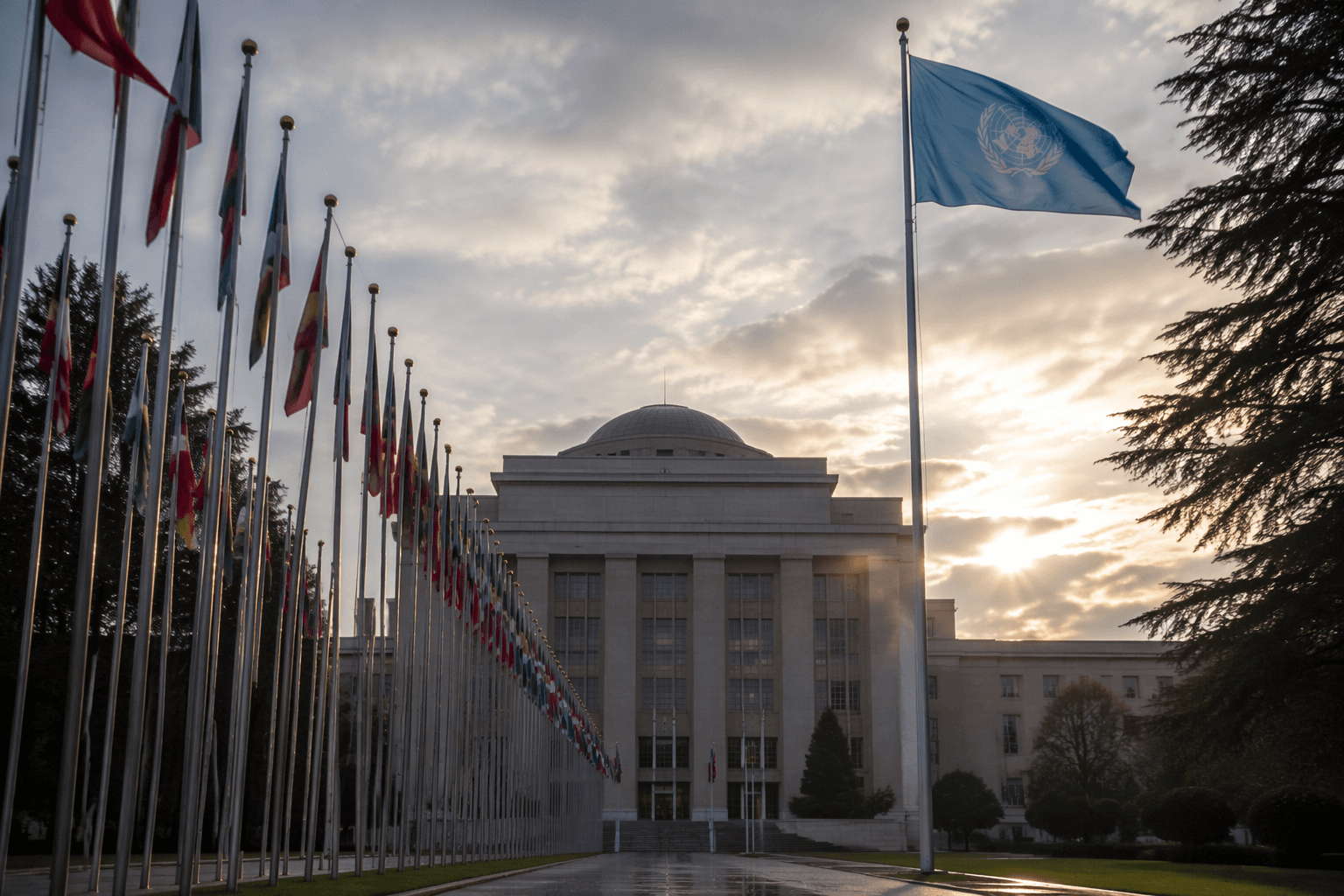
Uganda formally put diplomat Olara Otunnu into the race to lead the United Nations, making him the seventh candidate seeking to succeed António Guterres. His entry gives the succession contest an early African test, with regional representation, Security Council politics and pressure for reform all moving to the front of the field.
The selection process is already moving under rules the UN says are grounded in General Assembly resolutions and guided by transparency and inclusivity. The General Assembly adopted resolution 79/327 on 5 September 2025, the selection was officially launched on 25 November 2025, and Security Council Report says the next secretary-general is due to take office on 1 January 2027. In April 2026, four candidates presented their vision and answered questions from the General Assembly and civil society, showing how quickly the race has shifted from procedure to coalition-building.
Otunnu’s candidacy matters because African governments have long argued that the continent deserves stronger leadership representation in global institutions. The UN has been deeply involved across Africa in peacekeeping, conflict mediation, development policy and humanitarian response, and an African contender gives member states another chance to press the case that the organization’s top job should not remain concentrated among a small set of regions. It also puts the Security Council’s permanent members in the center of the contest, since any viable candidate must survive the veto politics that have shaped past selections before the General Assembly completes the appointment.
For governments that want a different kind of secretary-general, the question now is not only where the next leader comes from but what kind of institution they are expected to inherit. Member states have been pushing for a chief who can handle war, paralysis, budget pressure and growing questions about the UN’s relevance, while smaller nations and civil society groups are pressing for a more equitable system and a stronger response to displacement, climate shocks and economic inequality. Otunnu’s bid will be judged in that setting, where symbolism, regional balance and practicality all collide.
Otunnu brings a long UN record into that debate. Kofi Annan appointed Olara Otunnu on 19 August 1997 as the first Special Representative to study the impact of armed conflict on children, and he served from 1997 to 2005 as UN Under-Secretary-General and Special Representative for Children and Armed Conflict. He also served as Uganda’s UN envoy and briefly as Uganda’s foreign minister, credentials that will be weighed as governments decide whether his candidacy can build a coalition broad enough to reach the top of the world body.
This article was produced by Prism’s automated news system from verified source data, official records, and press releases, then run through automated quality and moderation checks before publishing. The system is built and supervised by the people who set the standards it runs under. Read our full AI policy.
Did this article answer your question?