Kenya Warns of Election Violence as Political Gangs Spread Nationwide
Kenya says more than 104 gangs are active nationwide as politicians lean on armed thugs and police struggle to contain them. The warning lands with 2027 elections looming.
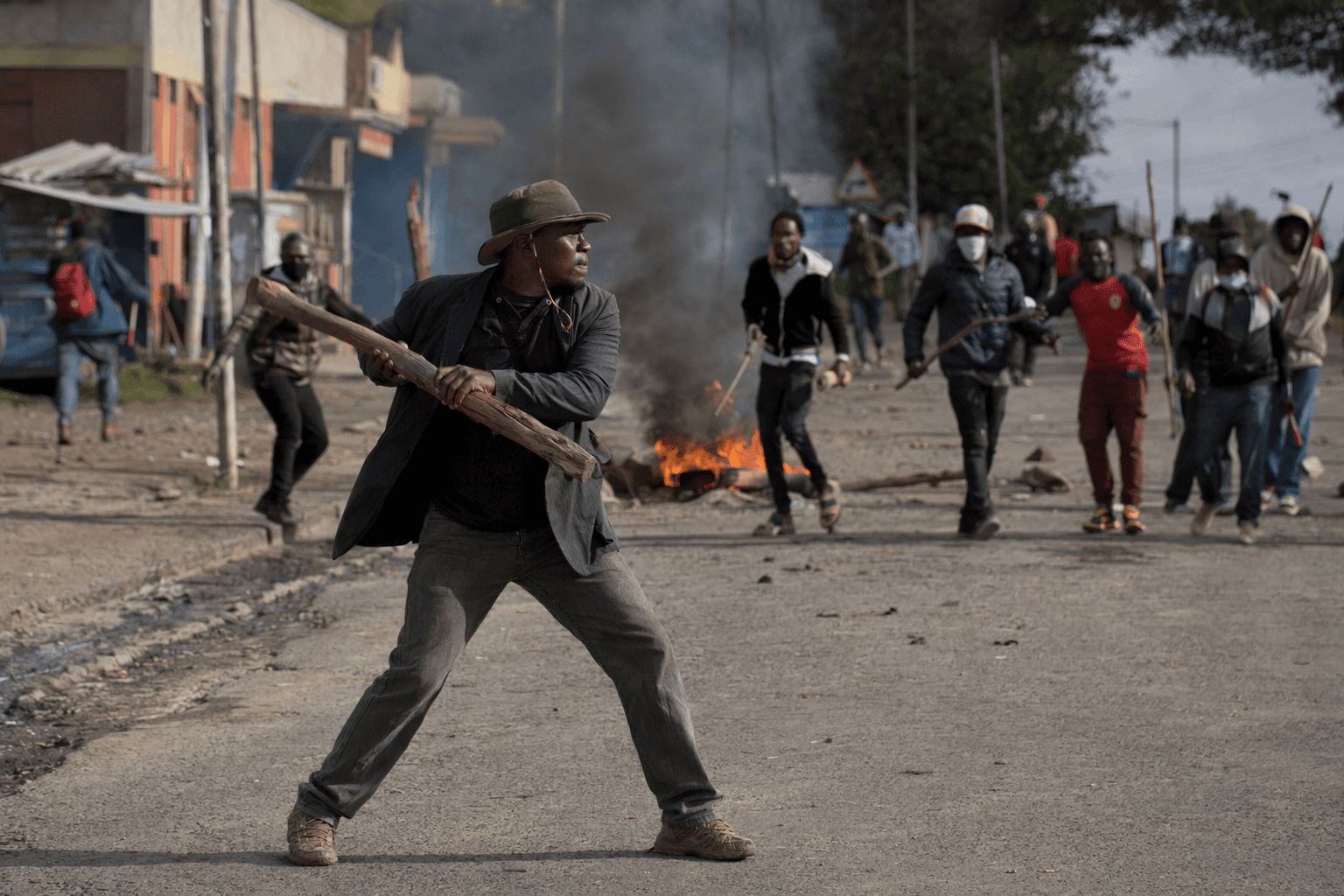
More than 104 local criminal gangs are active across Kenya, and Interior Cabinet Secretary Kipchumba Murkomen has warned Parliament that many are tied to political patronage. He told MPs in April 2026 that the gangs are “owned by political leaders” and that “an irresponsible leader is a threat to national security,” a stark admission that Kenya’s election security risks are now bound up with organized crime.
The warning comes as the country’s law and order machinery is under pressure at home even while Kenya’s security forces win praise abroad for operations against gangs in Haiti. A 2025 National Crime Research Centre survey found widespread proliferation, persistence and resilience of criminal gangs across multiple counties, underscoring how deeply the problem has spread beyond Nairobi and into the national political landscape.
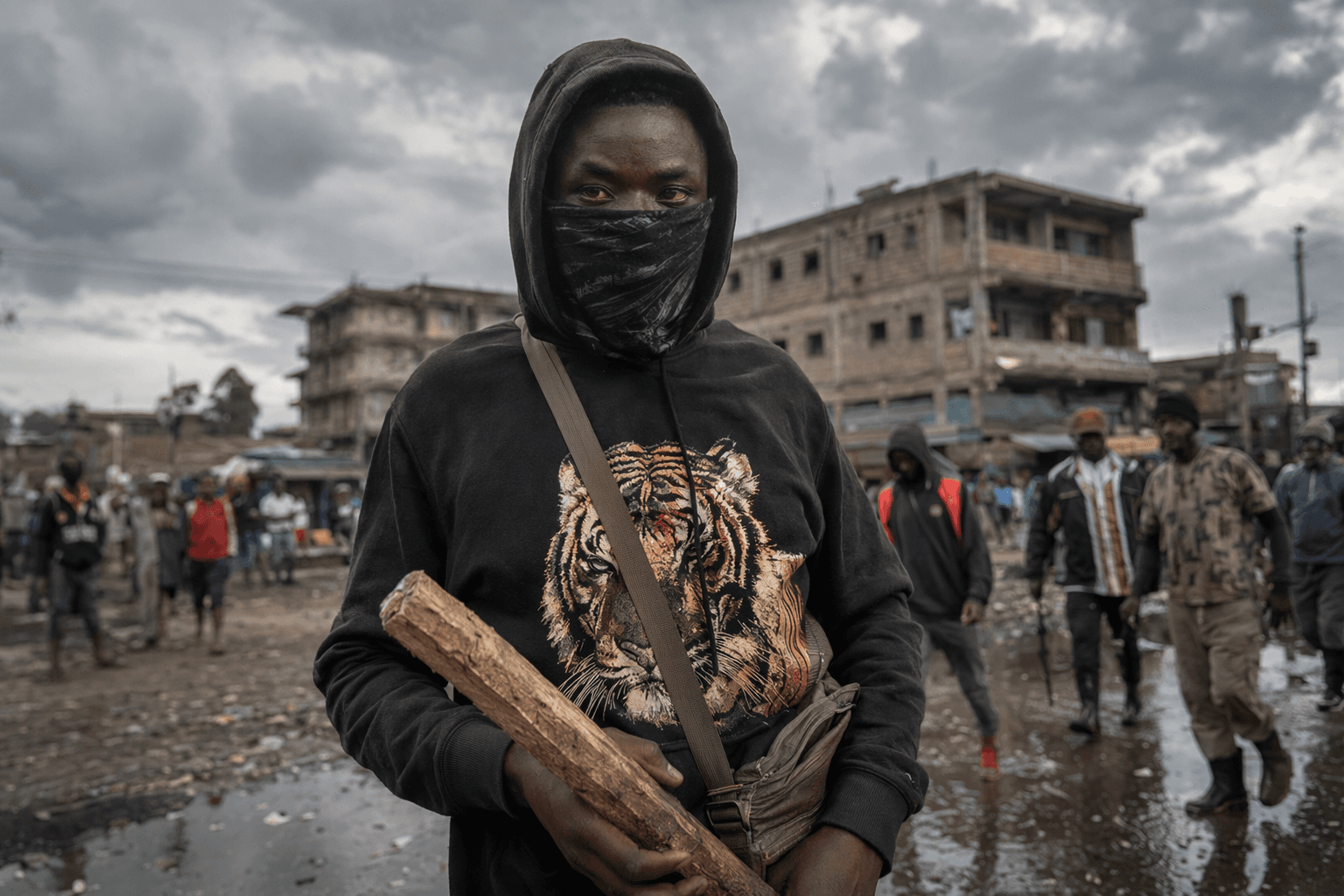
The danger became visible in the capital last year. A Global Initiative Against Transnational Organized Crime analysis said that on June 25, 2025, organized criminals armed with whips and clubs and backed by police attacked a peaceful march in Nairobi marking one year since the Gen Z anti-tax uprising, in which 60 people were killed. The same analysis said a week earlier, on June 18, similar groups confronted demonstrators demanding the arrest and prosecution of a senior police officer linked to the death of Alfred Ojwang, a 31-year-old teacher and political blogger who died in police custody.
That violence was not isolated. The analysis said the attacks were carried out by organized criminal gangs and militias funded by senior politicians and other individuals, naming Nairobi-area groups including the Congo Boys, the Gaza gang and the Kibera Battalion. Another account said the June 2025 unrest left 18 people dead and hundreds injured, feeding fears that political violence is being outsourced to hired gangs as a tool of intimidation.
Those fears echo Kenya’s darkest electoral chapter. The 2007/8 post-election crisis killed more than 1,500 people and displaced about 600,000 within a month, and six high-profile Kenyans, including William Ruto and Uhuru Kenyatta, later faced International Criminal Court charges tied to the violence before the cases were dropped. With the 2027 general election approaching, lawmakers have discussed creating a special police unit to tackle organized gangs, while Murkomen has argued that judicial release of suspects lets the cycle of violence continue.
This article was produced by Prism’s automated news system from verified source data, official records, and press releases, then run through automated quality and moderation checks before publishing. The system is built and supervised by the people who set the standards it runs under. Read our full AI policy.
Did this article answer your question?

