Kinder Morgan beats profit estimates as gas demand rises on conflict, data centers
War in the Middle East and the AI boom helped push more gas through Kinder Morgan’s pipes, lifting profit above estimates and sharpening the case for new U.S. energy infrastructure.
War abroad and the AI buildout at home are feeding the same business model at Kinder Morgan, where tighter global energy flows and rising electricity demand helped drive stronger-than-expected first-quarter results. The pipeline operator said demand for U.S. natural gas and liquefied natural gas has gained from conflict in the Middle East, uncertainty around shipping routes, and the growth of data centers that need steady power.
Kinder Morgan reported net income attributable to KMI of $976 million, up from $717 million a year earlier. Adjusted earnings were 48 cents a share, ahead of the 40-cent estimate, while revenue reached $4.83 billion, above the $4.6 billion forecast. Adjusted EBITDA rose 18% to $2.539 billion. Natural gas transport volumes climbed to about 49,475 billion British thermal units a day from 45,978 billion Btu a year earlier, even as total delivery volumes including refined products slipped to 1,965 thousand barrels a day from 2,047 thousand.
Richard D. Kinder said the geopolitical landscape had become even more turbulent, citing the Middle East and Ukraine as sources of commodity volatility. He said Kinder Morgan is largely insulated because its business is fee-based and serves highly creditworthy shippers, and that global conflicts have highlighted the value of securing LNG supplies from the United States. The message carries a broader market implication: when buyers worry about the Strait of Hormuz or other chokepoints, domestic pipelines and export terminals become more valuable, not less.
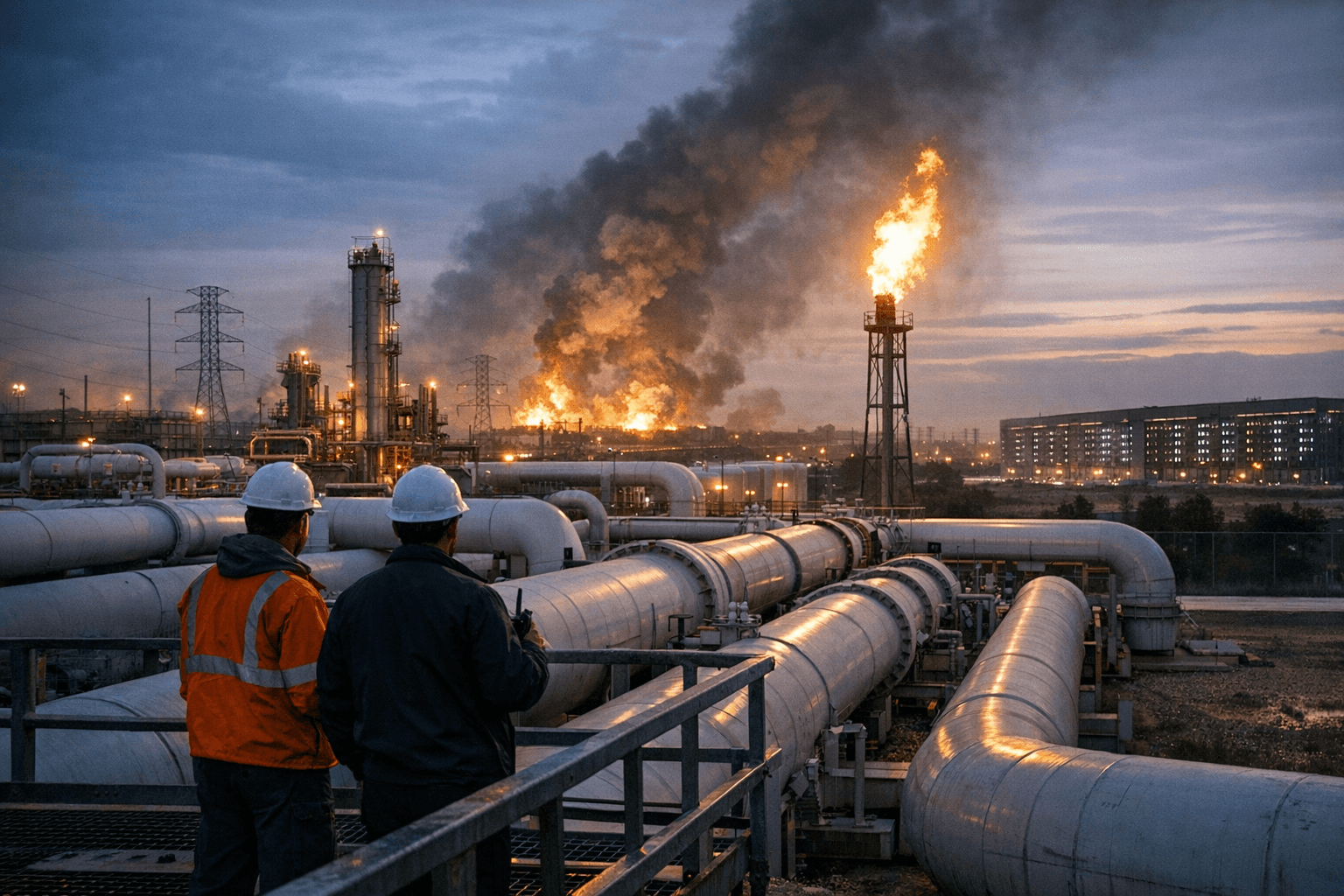
That shift is showing up in Kinder Morgan’s outlook. The company said total U.S. natural gas demand should grow 17% through 2030, led by LNG exports, and projected demand would reach 150 billion cubic feet a day by 2031, about 27% above current levels. It also said it already has long-term contracts to move 8 billion cubic feet a day of gas feedstocks to LNG facilities, with that total expected to reach 12 billion cubic feet a day by the end of 2028.
The company is backing that view with more spending. Kinder Morgan agreed to buy the Monument Pipeline for $505 million in cash, a 225-mile natural gas system serving Houston and nearby markets. The deal, expected to close in the second quarter, expands its Texas intrastate network and implies a medium-term investment-to-EBITDA multiple of less than 8.0 times. Kinder Morgan ended the quarter with a $10.1 billion project backlog, up $145 million from the fourth quarter after adding $375 million of projects and placing $230 million in service.
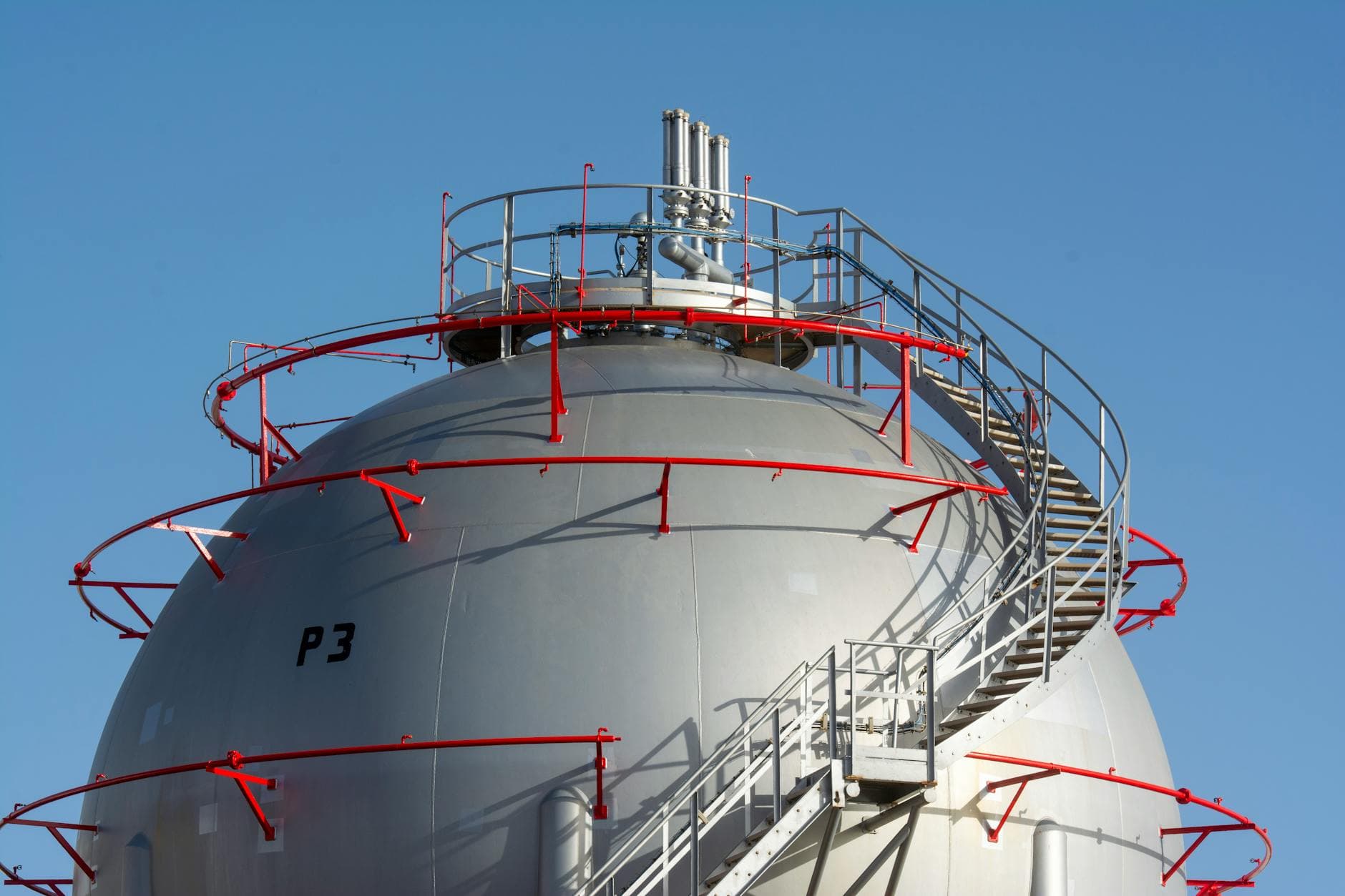
Data centers are becoming another important demand source. Kinder Morgan said it added three data center deals to its backlog as AI infrastructure and other power-hungry computing uses increase electricity needs. The company raised its quarterly dividend 2% to 29.75 cents a share and kept its 2026 targets at about $3.1 billion in net income, $1.36 in adjusted EPS and $8.6 billion in adjusted EBITDA. It finished the quarter at 3.8 times net debt to adjusted EBITDA, a level it expects to hold through year-end as the country’s energy system absorbs more gas demand from both geopolitics and AI.
This article was produced by Prism’s automated news system from verified source data, official records, and press releases, then run through automated quality and moderation checks before publishing. The system is built and supervised by the people who set the standards it runs under. Read our full AI policy.
Did this article answer your question?

