King Charles Brings Royal Diplomacy Back to the United States
Charles’s return to Washington came as the United States marked 250 years of independence, turning royal ritual into a test of modern soft power.
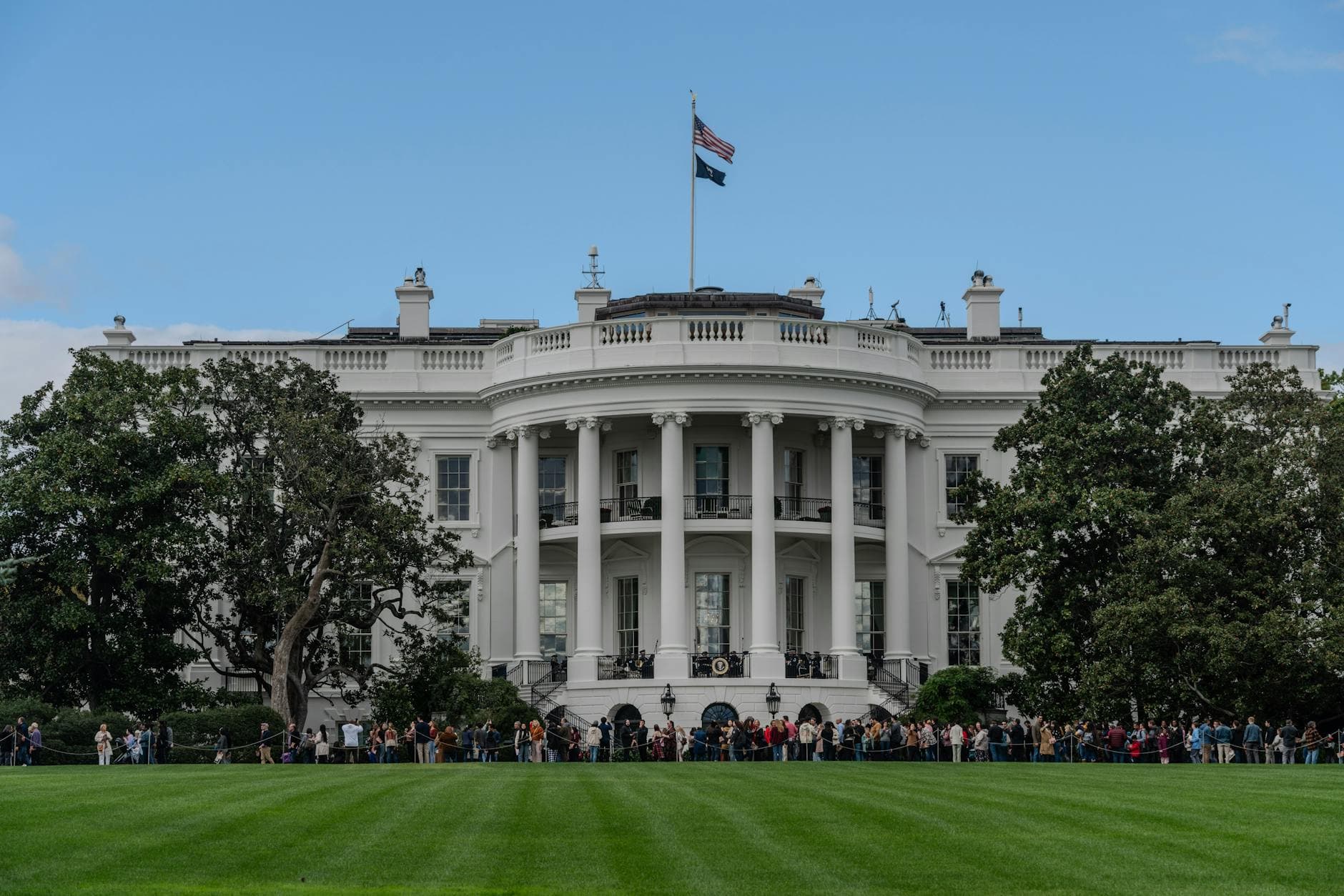
King Charles III’s return to Washington carried more than ceremony. As the first king to make a state visit to the United States in the second Trump term, he arrived with Queen Camilla at a moment when the monarchy is using history, symbolism and carefully staged public appearances to keep the transatlantic relationship visible.
That strategy has long rested on American settings that say as much as the royal itinerary. Camp David, the president’s country residence in Catoctin Mountain Park in Frederick County, Maryland, has hosted foreign leaders from Winston Churchill to the 1978 summit that produced the Camp David Accords, the breakthrough signed on Sept. 17, 1978, that led to the first peace treaty between Israel and an Arab neighbor. Established in 1942 by Franklin D. Roosevelt as Shangri-La and later renamed by Dwight D. Eisenhower, the tightly secured retreat has become one of the clearest symbols of how the United States turns private space into statecraft.
Charles has repeatedly been part of that tradition. During a March 2015 visit to Washington with Camilla, he toured Mount Vernon, the Martin Luther King Jr. Memorial and the National Archives, a sequence that linked the founding generation, the civil rights era and the nation’s documentary memory. At the archives, he laughed at a 1931 patent application submitted by his uncle, Lord Louis Mountbatten, for a new kind of polo stick, a small moment that revealed how royal visits often balance pomp with a more personal kind of cultural diplomacy.
The broader pattern stretches across Queen Elizabeth II’s reign. The Royal Family says Elizabeth made four state visits to the United States, in 1957, 1976, 1991 and 2007, an unusually rare cadence that shows how selective and consequential these trips are. Each visit carried its own message, from alliance management during the Cold War to reaffirming ties in an era of global media and changing public expectations.
Charles inherited that role on Sept. 8, 2022, after the death of Queen Elizabeth II. His April 2026 visit to Washington, announced by the White House on April 25 and set to run from April 27 to April 30, was tied to the United States semiquincentennial, a reminder that royal diplomacy now survives less as nostalgia than as a practical tool for keeping the U.S.-U.K. relationship present, visible and politically useful.
This article was produced by Prism’s automated news system from verified source data, official records, and press releases, then run through automated quality and moderation checks before publishing. The system is built and supervised by the people who set the standards it runs under. Read our full AI policy.
Did this article answer your question?