King Charles III to visit Washington amid tense U.S.-Britain ties
Charles’s Washington trip revived a rare royal tool of diplomacy as Trump weighed Iran, NATO and a tax fight that could outlast the ceremony.
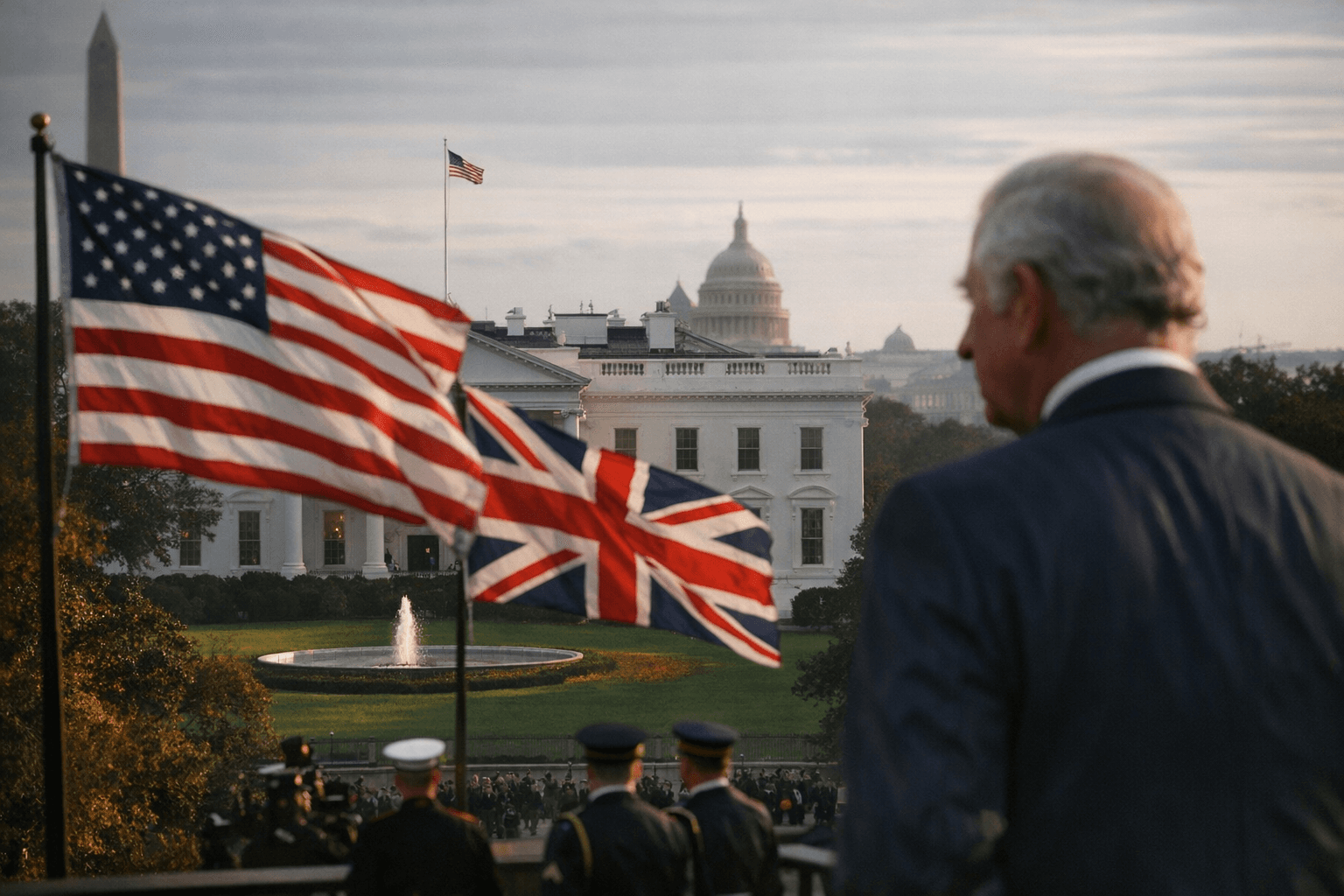
The Washington visit echoed Queen Elizabeth II’s 1957 journey after the Suez Crisis, when royal pageantry helped mask a much deeper rupture in Anglo-American relations. Nearly seven decades later, King Charles III and Queen Camilla were due in Washington, D.C., from Monday, April 27, through Thursday, April 30, for a state visit that put ceremony to the test in a strained alliance.
The White House said the trip was the first official state visit of President Donald Trump’s second term and that it was framed around the 250th anniversary of American independence. The schedule was built to underline the symbolism: a South Portico greeting, tea in the Green Room, a state banquet and a rare address by Charles to a joint meeting of Congress.
That speech would make Charles only the second British monarch to address Congress. Queen Elizabeth II did so on May 16, 1991, in a session attended by roughly 800 people. The visit also marked the first U.S. state visit by a British monarch since Elizabeth’s trip in May 2007, under President George W. Bush.
The diplomatic backdrop was far less polished than the setting. Trump said on April 24 that he planned to discuss Iran, NATO and the United Kingdom’s digital services tax with Charles. British and American relations had been strained by disputes over Iran and by Trump’s criticism of Britain’s elected leaders, a combination that made the royal visit less a celebration than a test of whether soft power could still move a hard political relationship.
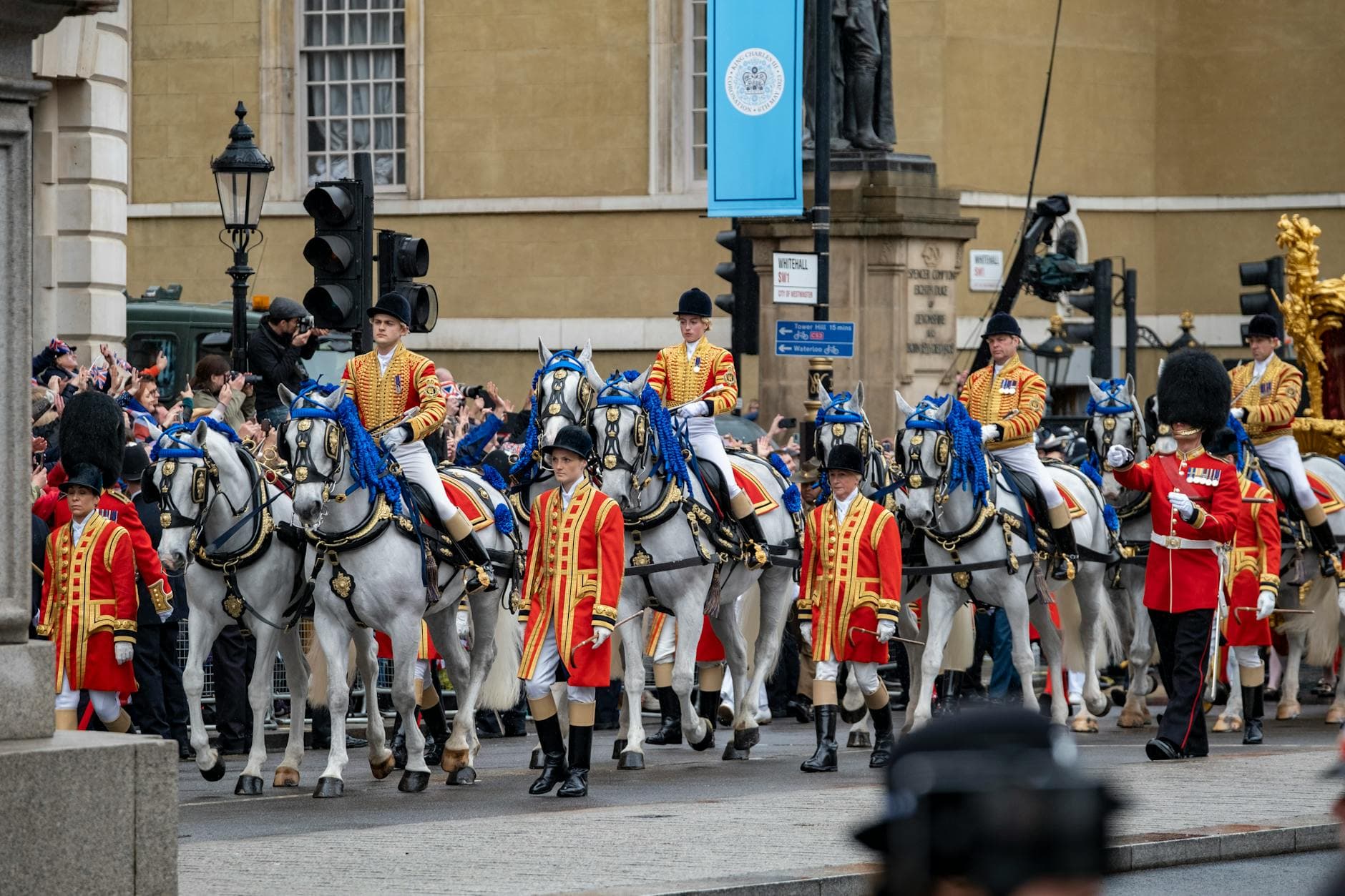
Some British lawmakers had called for the trip to be canceled, but Buckingham Palace and the White House kept it on the calendar even after a shooting at a White House dinner event raised fresh security concerns. The decision suggested both governments still valued the monarchy as a diplomatic instrument, even if only a limited one.
History showed why the symbolism mattered, and where its limits lay. Elizabeth’s first U.S. state visit as monarch came in October 1957, timed to the 350th anniversary of Jamestown, founded in 1607. Her 1976 White House visit came during the American bicentennial and included a state dinner with President Gerald Ford. Those moments did not resolve policy disputes, but they offered a public display of continuity when politics were under strain. Charles’s visit carried the same burden: it could help stage a thaw, but it could not by itself repair trade tensions, security disagreements or the wider erosion of trust between Washington and London.
Sources:
Know something we missed? Have a correction or additional information?
Submit a Tip