Tsunami survivor fights wildfire to protect rebuilding Japanese town
He survived the 2011 tsunami in Otsuchi as a teen; now Ryota Haga is battling a wildfire that has scorched more than 1,600 hectares around the same rebuilt town.
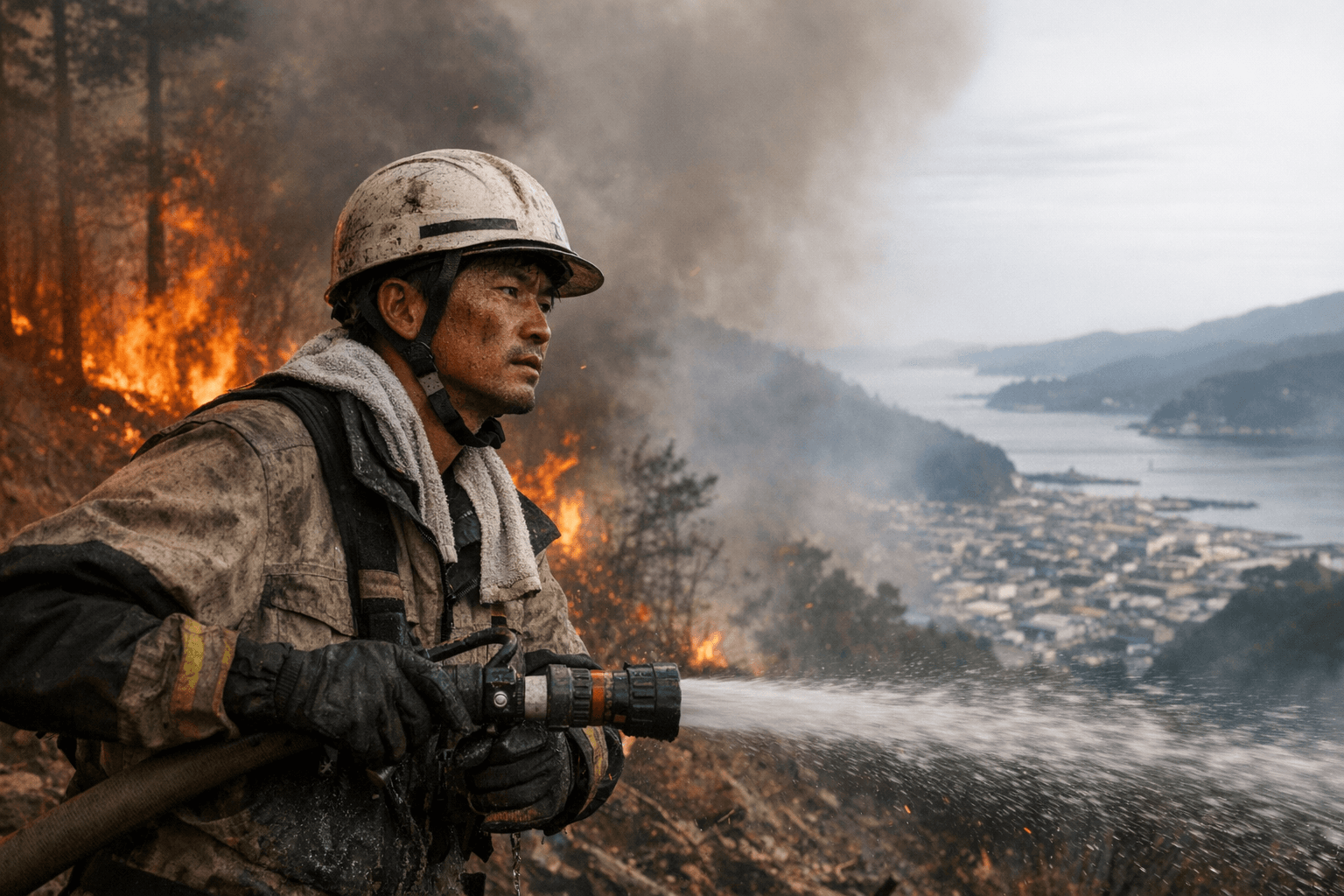
Ryota Haga has spent his adulthood defending the same Japanese town that once had to rebuild his life from wreckage. The 31-year-old volunteer firefighter, now married with a toddler, was in high school when the 2011 earthquake sent a tsunami through Otsuchi and destroyed his family home.
That earlier disaster left deep scars in the northeastern town of Iwate Prefecture. Official reconstruction material says the tsunami submerged 52% of Otsuchi’s residential area, or 431 hectares, and killed 1,284 people. A reconstruction study later said 1,281 residents were dead or missing as of January 31, 2012, and more than half the town’s senior officials, including the mayor, were swept away, leaving the local administration devastated.
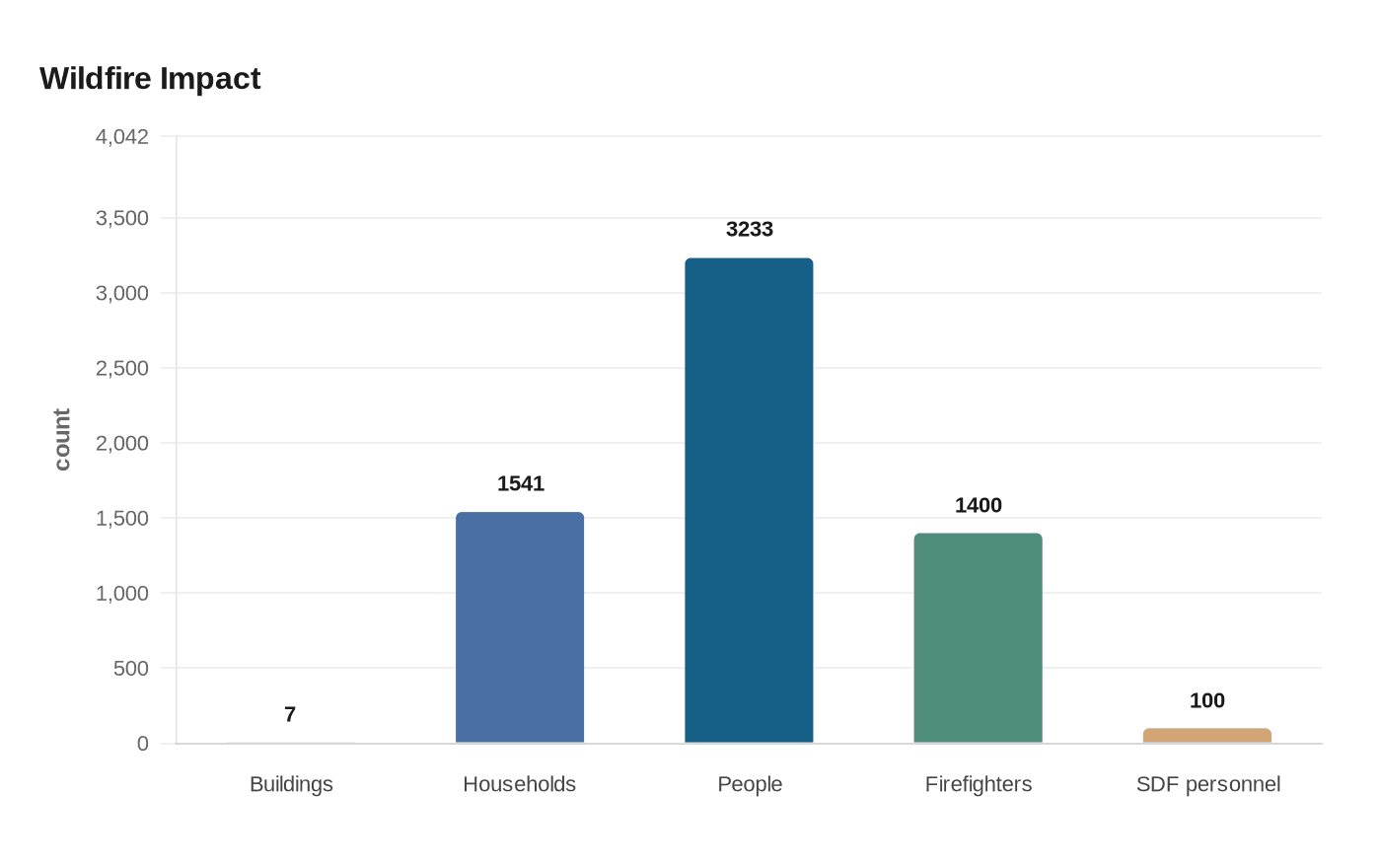
Now Haga is among the residents trying to keep a different catastrophe from taking hold. The wildfire burned for a fifth straight day on Sunday and had raged for six days by Monday morning, scorching more than 1,600 hectares of forest. Local reports said the blaze had destroyed seven buildings and forced evacuation orders for 1,541 households and 3,233 people, roughly a third of Otsuchi’s population.
The scale of the emergency has drawn a large response. About 1,400 firefighters and around 100 Self-Defense Force personnel were deployed to the northern fires, but the blaze still had not been brought under control. Forecasters did not expect rain on Sunday or Monday, with only a brief shower possible on Tuesday, leaving exhausted crews to keep watch over homes, hillsides and roads threatened by the flames.
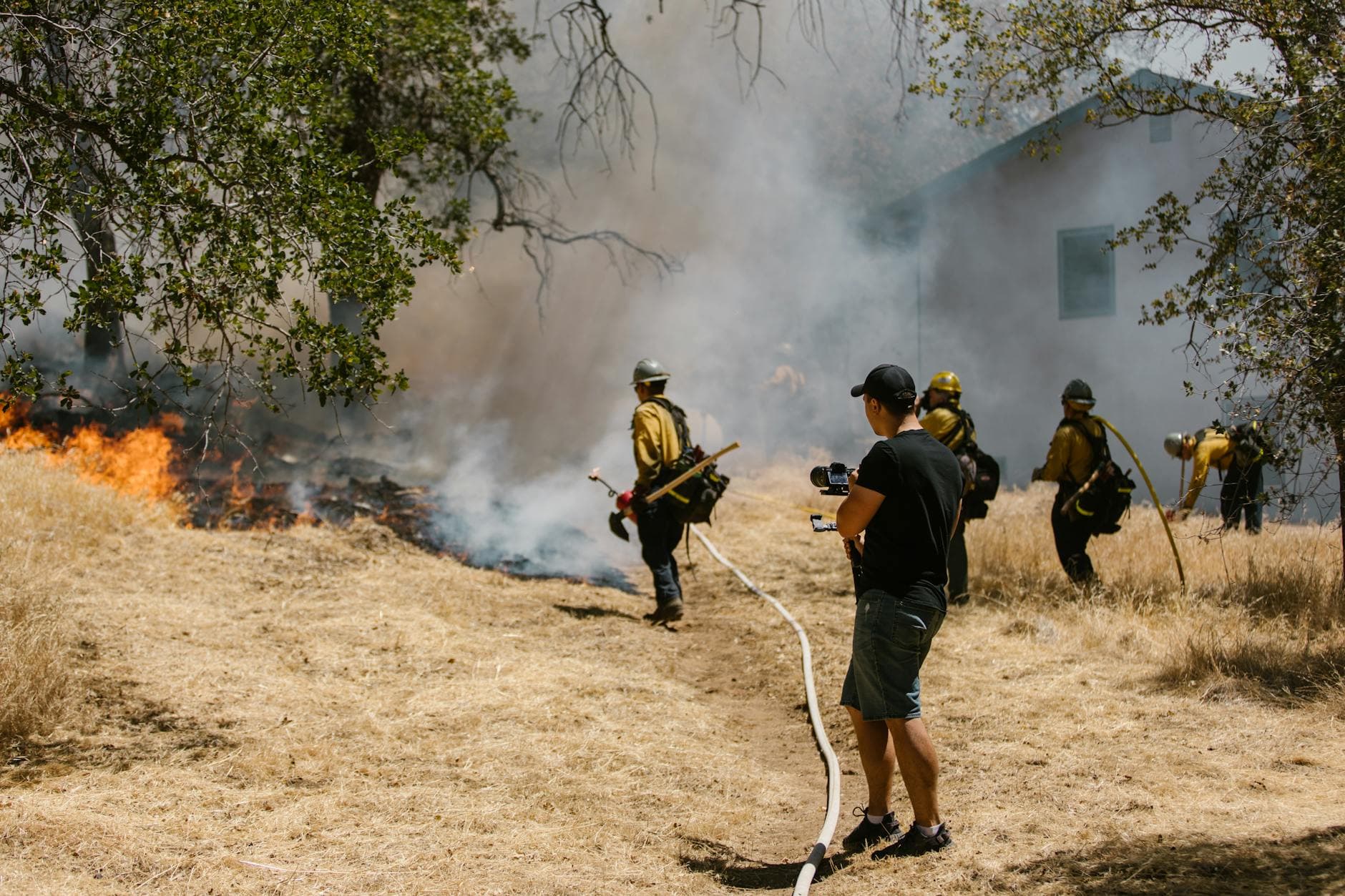
For Haga, the fire has reopened the logic of survival that Otsuchi learned after the tsunami: when disaster comes, neighbors protect one another, and the town must keep standing even when fear returns. He has said the community had only just begun to settle after years of recovery, and that a second wave of loss would be devastating if the fire reached homes or vital land.
The Otsuchi fire also fits a broader pattern. A 2024 study found that Japan’s wildfires cluster in spring and in the stretch from winter to the rainy season, when dry, windy weather makes ignition and spread more likely. Japan has historically seen fewer large-scale wildfires than some countries, but climate change has increased the risk, while aging and population decline have left many volunteer brigades short-staffed. Haga has said his own brigade is below the level set by authorities.
Another wildfire starting in Fukushima on Sunday underscored that Otsuchi’s emergency was part of a wider regional crisis. In towns that have already survived the sea, the new enemy is fire, and the burden of resilience is becoming a permanent one.
This article was produced by Prism’s automated news system from verified source data, official records, and press releases, then run through automated quality and moderation checks before publishing. The system is built and supervised by the people who set the standards it runs under. Read our full AI policy.
Did this article answer your question?