Trump urges Iran to call, as foreign minister seeks Russia support
Trump told Iran to call if it wants peace, as Abbas Araghchi landed in Moscow to seek Vladimir Putin’s backing after U.S. envoys scrapped a Pakistan trip.
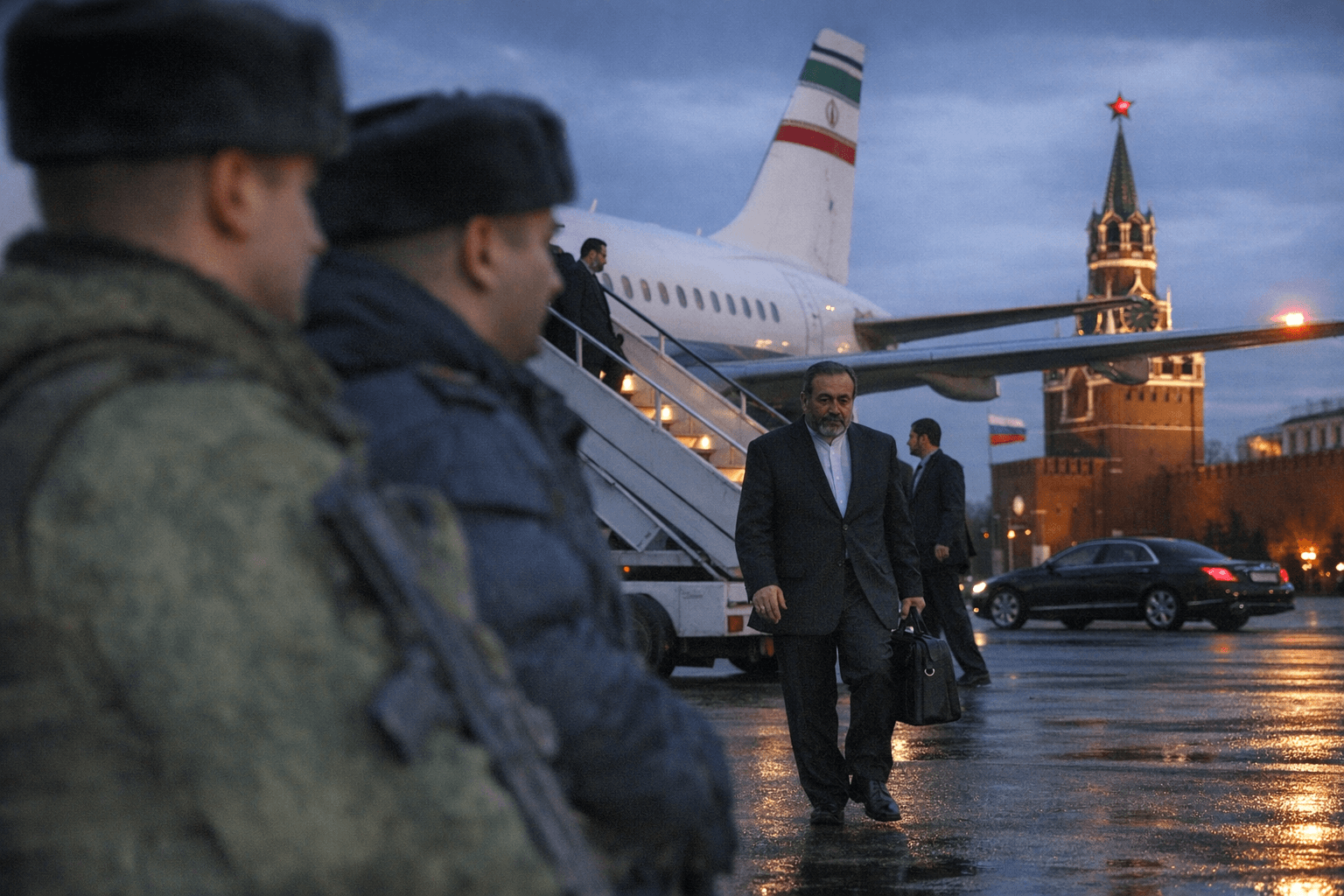
Tehran’s turn to Moscow underscored how fragile the latest diplomacy has become. As Donald Trump told Fox News that Iran could pick up the phone if it wanted to negotiate an end to the two-month war, Iranian Foreign Minister Abbas Araghchi landed in Russia to meet Vladimir Putin and seek support at a moment when talks had already been thrown off course.
The immediate setback came when Trump canceled a planned Islamabad trip by U.S. envoys Steve Witkoff and Jared Kushner on Saturday, April 25. That trip had been meant to bolster peace efforts after an earlier round of talks, and the cancellation drained momentum from a second round that Pakistan had been trying to salvage. Araghchi briefly returned to Islamabad on Sunday after leaving late Saturday, a sign of how unsettled the process had become as Pakistan’s political and military leadership worked to keep the channel alive.
Russia’s role in this moment is less as a dealmaker than as a political weight. Moscow can reinforce Tehran’s position, amplify its objections to U.S. pressure, and help frame the dispute in broader regional terms. But Russia cannot by itself remove the blockade dispute that Iran says is blocking progress, or resolve the maritime access issues tied to the Strait of Hormuz that remain central to the negotiations. That limits what Putin can deliver beyond symbolism and diplomatic cover.
For Iran, the leverage lies in resistance and in the regional route it has been using. President Masoud Pezeshkian said Tehran would not negotiate while the United States maintains a blockade on Iranian ports, making the port issue a hard condition rather than a side complaint. By sending Araghchi through Pakistan, Oman and then Russia, Tehran is signaling that it still wants a mediated path, but on terms it views as tied to sovereignty and shipping rights.
For Washington, Trump has made the pressure explicit: Iran can call if it wants to talk. But the cancellation of the U.S. delegation’s Islamabad trip also showed that the White House is willing to interrupt the process while the broader standoff remains unresolved. Pakistan and Oman now sit in the middle, trying to preserve a mediation track that Reuters and the Wall Street Journal described as involving all three countries.
Whether Araghchi’s Moscow stop advances negotiations or hardens the standoff depends on what Russia does next. If Putin presses for talks, the trip could buy time. If he simply backs Tehran’s grievances, the diplomacy will look less like a breakthrough than a rerouting of the conflict through another capital.
This article was produced by Prism’s automated news system from verified source data, official records, and press releases, then run through automated quality and moderation checks before publishing. The system is built and supervised by the people who set the standards it runs under. Read our full AI policy.
Did this article answer your question?


