Taiwan says China sanctions on European firms won't hinder arms supplies
China’s sanctions on seven European firms won’t choke Taiwan’s weapons pipeline, Wellington Koo said, pointing to U.S. supply and diversified channels.
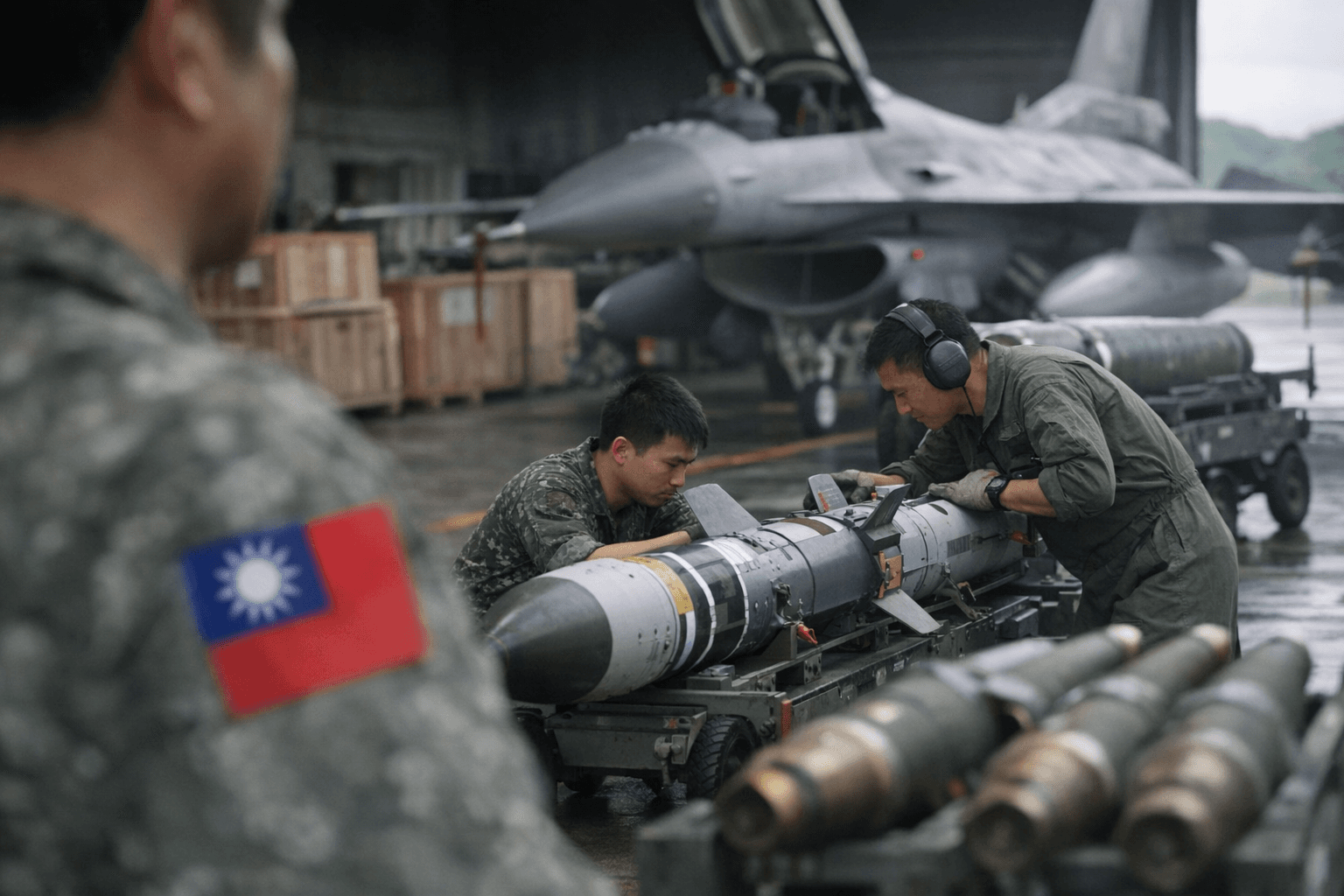
Taiwan’s defense minister brushed aside China’s sanctions on seven European companies, saying the punitive move would not disrupt the island’s weapons supply even as Beijing widened pressure on foreign firms that do business with Taipei. Wellington Koo told lawmakers that China had used similar tactics before and that Taiwan could continue sourcing military goods through “relevant diversified channels.”
China’s Commerce Ministry announced on April 24 that it was banning exports of dual-use items to the seven entities and placing them on its export-control list, citing arms sales to Taiwan. The step was unusual not because Beijing has never sanctioned defense firms, but because the target set was European. Four of the seven companies named by China are Czech, underscoring how far Beijing is willing to reach beyond its usual focus on U.S. defense contractors.
The immediate practical impact on Taiwan is likely limited. Taiwan still gets most of its weapons from the United States, and Europe has not sold major platforms such as fighter jets to the island for about three decades, largely out of concern over angering Beijing. Taiwan’s foreign ministry has said a December 18, 2025 U.S. arms sale notification totaled US$11.1 billion, a reminder that Washington remains Taipei’s indispensable supplier for major defense purchases.
Still, the sanctions carry a broader political message. Beijing is trying to raise the cost of cooperation with Taiwan, including in Europe, where several governments have become more sympathetic to the island since Russia’s invasion of Ukraine in 2022. The move also signals that China is broadening the toolkit it uses to deter third-country support for Taiwan, even when the commercial effect is limited. By targeting European firms rather than only U.S. contractors, Beijing is warning other suppliers that business with Taipei can bring direct retaliation.
Koo also addressed Japan, where export rules have loosened but still stop short of helping Taiwan. Japan’s Acquisition, Technology & Logistics Agency says Tokyo’s defense-equipment transfer framework was set out on April 1, 2014, and a 2026 change now allows lethal weapons exports to the 17 countries with which Japan has defense transfer agreements. Taiwan does not have such an agreement with Japan, leaving little immediate room for a new supply channel. For Taipei, the message is that China is intensifying the pressure campaign, but the core arms lifeline from the United States remains intact.
This article was produced by Prism’s automated news system from verified source data, official records, and press releases, then run through automated quality and moderation checks before publishing. The system is built and supervised by the people who set the standards it runs under. Read our full AI policy.
Did this article answer your question?


