King Charles to reveal tax bill in royal finance report overhaul
King Charles will disclose his 2024/25 tax bill for the first time, testing whether royal transparency is real or carefully managed symbolism.
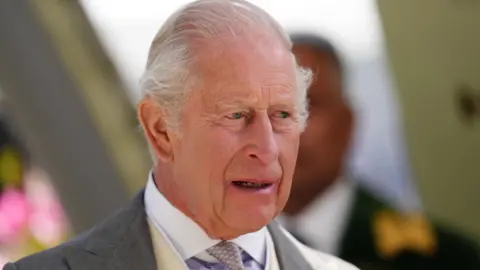
King Charles III will make public how much he paid in tax during the 2024/25 financial year, a disclosure Buckingham Palace is presenting as a step toward greater transparency and a more accountable monarchy. The move will place a single figure on the record, but it also raises a sharper question: whether the royal family is opening its books in substance, or only enough to show movement.
The payment will be included later this week in a new, more extensive annual royal household financial report published alongside the Sovereign Grant report. Palace officials say the change is meant to improve “clarity and accessibility” around royal finances and to “modernise and evolve” the monarchy’s reporting. Future personal tax payments are expected to be published annually, and the Prince of Wales is also expected to reveal his own tax bill.
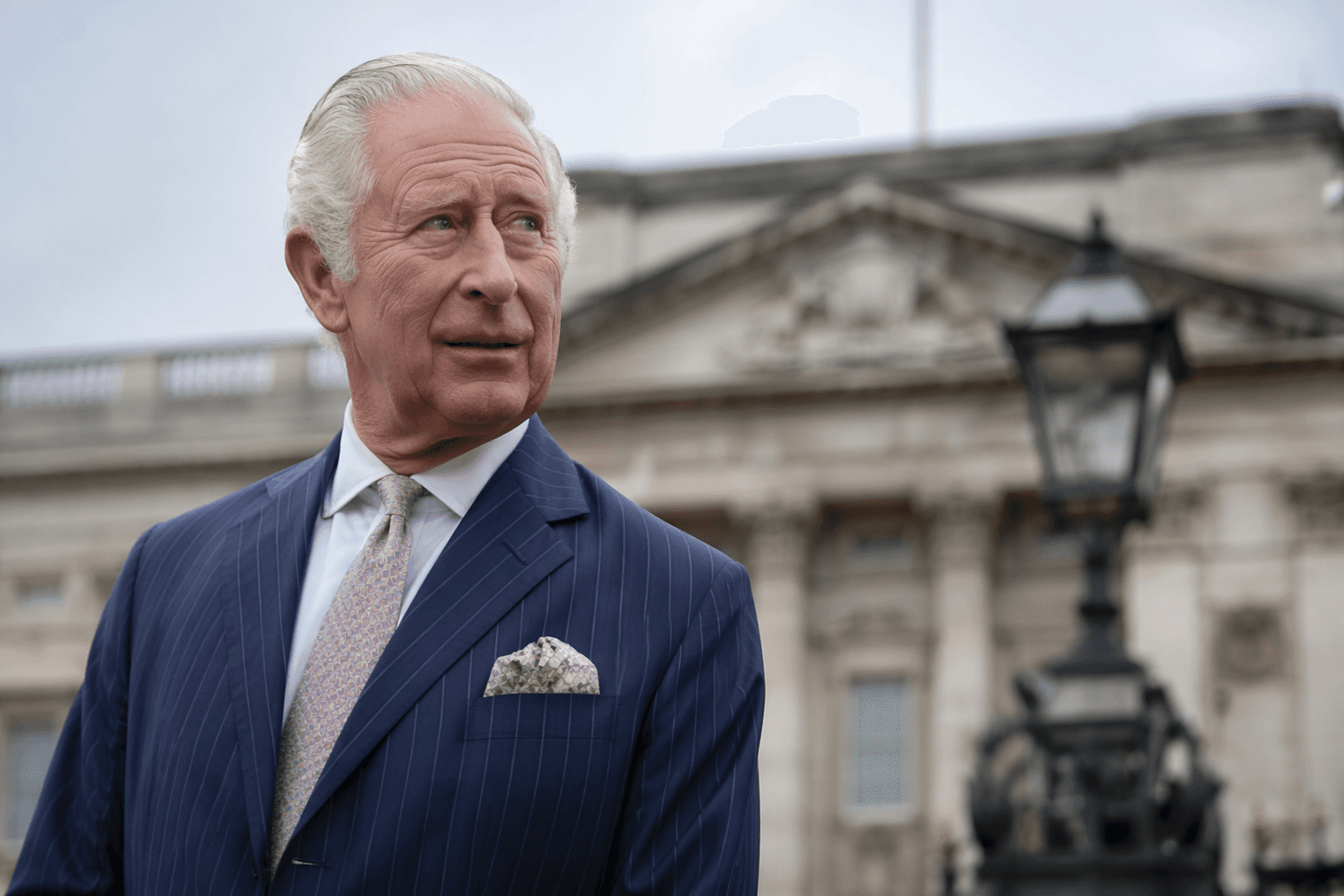
Charles has previously disclosed his tax payments when he was Prince of Wales, but not since becoming monarch. The King is not required to pay income tax, inheritance tax on inherited royal assets or capital gains tax, yet he has voluntarily paid income tax and capital gains tax on private assets. His private income can include revenue from the Duchy of Lancaster, Balmoral, Sandringham, investments, savings and other earnings. The Duchy of Lancaster generated about £24 million in profits last year.
The disclosure comes as royal finances face renewed scrutiny, with calls for greater openness sharpened by scandals involving Andrew Mountbatten-Windsor. For critics, the test is not whether the monarchy can publish one headline number, but whether it will explain the machinery behind it: what income is counted, what reliefs apply, and how much of the royal wealth that shapes public debate remains beyond view.
That question matters because the monarchy’s public funding structure was built around accountability as well as tradition. The Sovereign Grant system, created by the Sovereign Grant Act 2011 and introduced on 1 April 2012, replaced the Civil List and was designed to be audited by the National Audit Office and scrutinised by Parliament. The grant rose to £137.9 million in 2026/27, and the government plans a Sovereign Grant Bill 2026-27 to “reset” the payment once Buckingham Palace refurbishment work ends.
The new report may broaden disclosure, but it does not end the tension at the heart of royal finance. It will show more than before, yet the monarchy’s central problem remains the same: transparency can be real only if the public can see enough to judge how much privilege, income and accountability still sit behind the curtain.
This article was produced by Prism’s automated news system from verified source data, official records, and press releases, then run through automated quality and moderation checks before publishing. The system is built and supervised by the people who set the standards it runs under. Read our full AI policy.
Know something we missed? Have a correction or additional information?
Submit a Tip