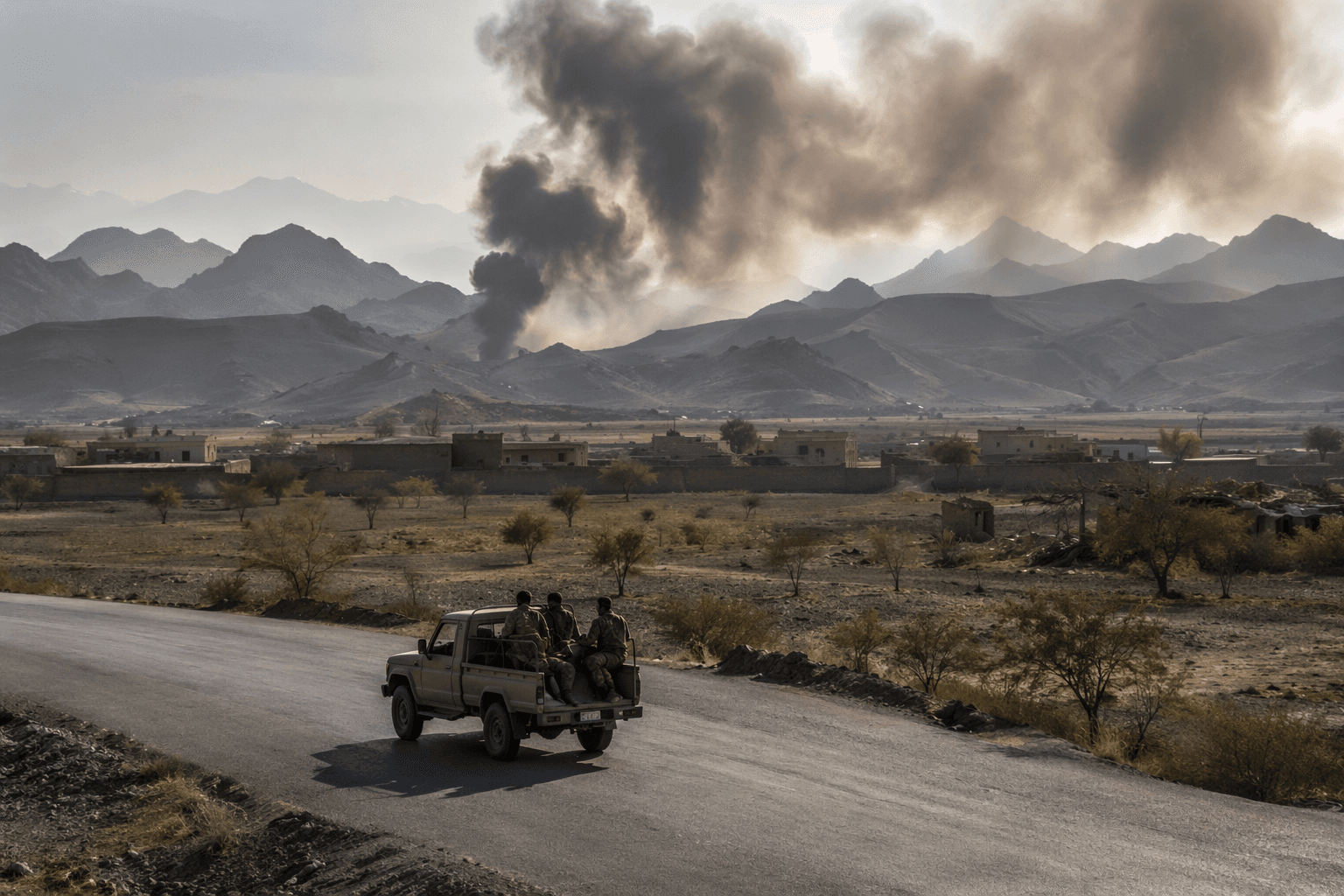
Zelenskiy says Ukrainian drones struck Russian refinery in Siberia
Ukrainian drones reached a refinery more than 2,000 kilometers inside Siberia, underscoring Kyiv’s expanding long-range strike reach.
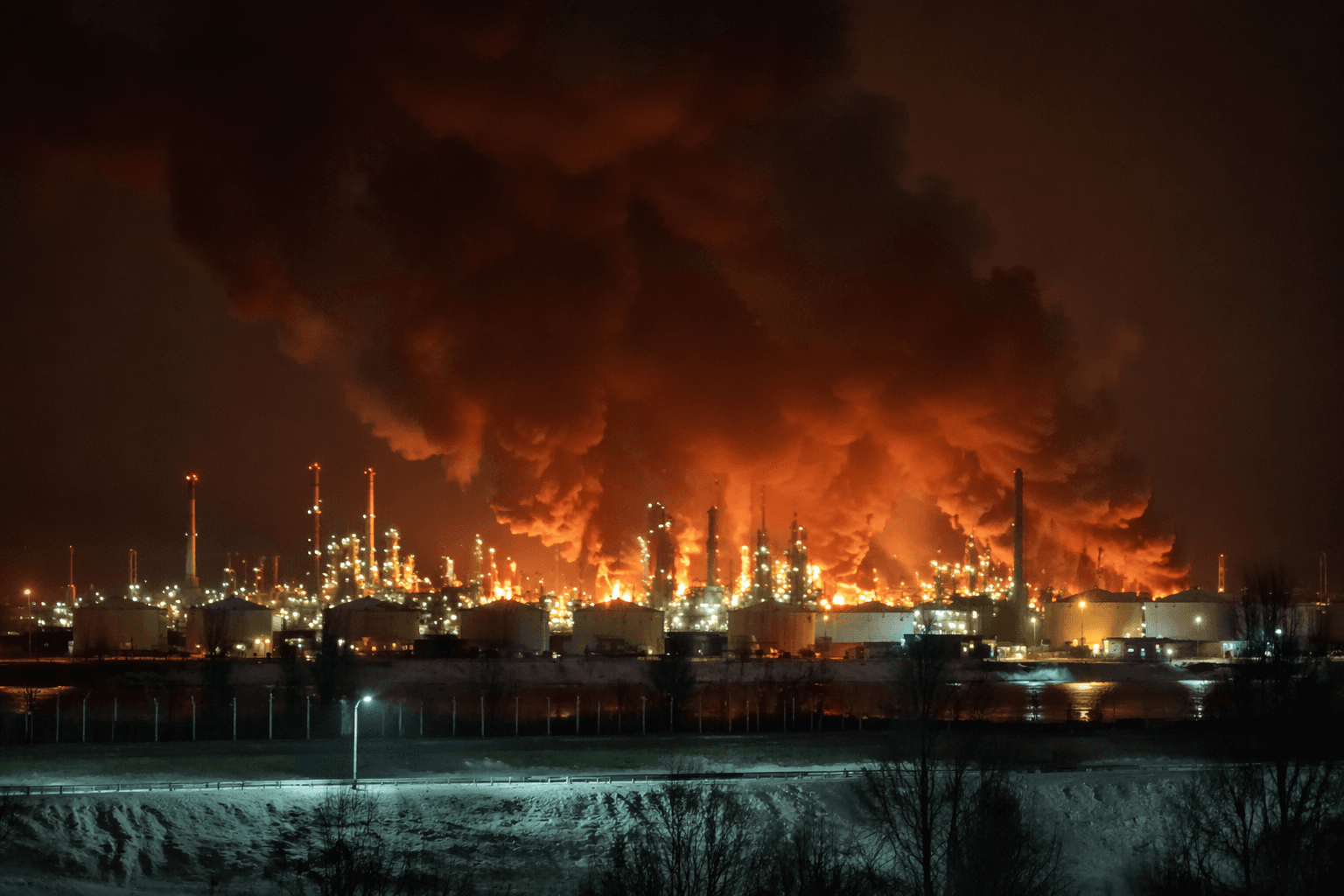
Ukrainian drones struck an oil refinery in Russia’s Tyumen region in western Siberia, a target more than 2,000 kilometers from the Ukrainian border and one of the deepest acknowledged hits inside Russian territory. Volodymyr Zelenskiy said the operation reached the facility and praised Ukraine’s special operations forces, while also saying Kyiv has developed new long-range drones capable of flying more than 3,000 kilometers.
The refinery, also known as the Antipinsky oil refinery, sits far beyond the front lines in a region that has largely been shielded from the war’s direct damage. Its reach matters because Tyumen is a major energy hub in western Siberia, and the plant is a significant fuel supplier for the region and the Urals. Recent reporting has placed its annual capacity in a band of roughly 7.5 million to 9 million metric tons, making it large enough to matter for gasoline and diesel supply even if it is smaller than Russia’s biggest refineries.
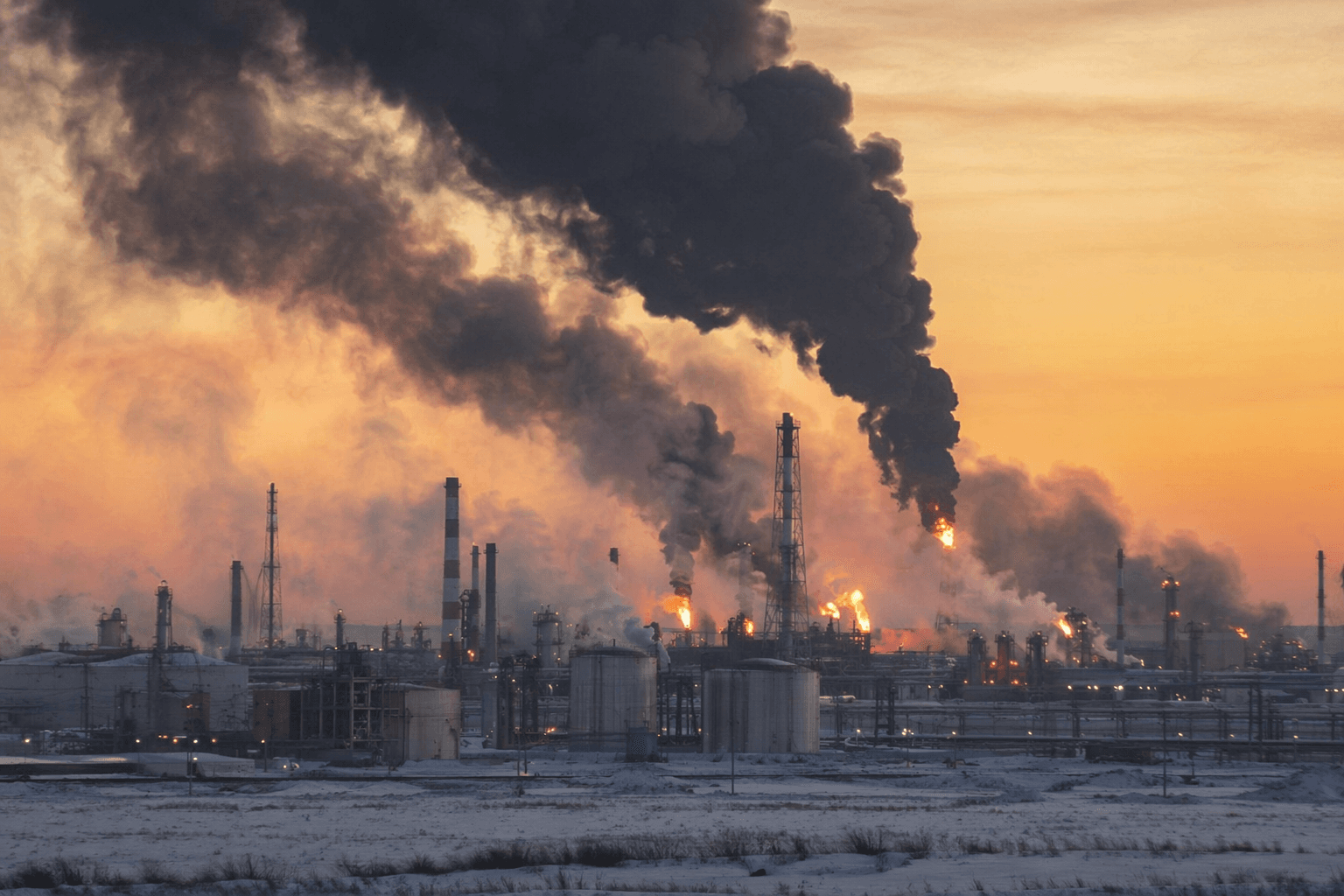
Tyumen region governor Alexander Moor said staff at the refinery were evacuated as a precaution. He said Russian air defenses repelled the attack and that preliminary reports showed no damage. Local authorities also warned residents not to approach possible drone debris and said sharing images or video of air-defense activity or crash sites could lead to criminal penalties.
The strike fits into a broader Ukrainian campaign against Russian oil infrastructure that has intensified in June. Earlier in the week, drones hit the Moscow oil refinery, halting operations, and a separate large assault on Moscow struck the Gazprom Neft refinery for the second time in days. Those attacks have added pressure to a Russian fuel system already strained by outages and supply disruptions.
That pressure is showing up in policy. Russia has allowed some refineries to sell gasoline and diesel that do not meet normal Euro-5 standards, a sign that domestic fuel supply is under strain. Industry coverage has also pointed to sharp declines in Russian gasoline production in June after repeated refinery outages tied to drone strikes.
For Kyiv, the tactic is about more than damage at a single plant. Hitting a refinery in Siberia stretches Russia’s air defenses, raises doubts about rear-area security and widens the war’s geography far from the battlefield. It also targets the revenue and logistics base that help sustain Moscow’s invasion, showing how Ukraine is trying to make distance itself a liability for Russia.
This article was produced by Prism’s automated news system from verified source data, official records, and press releases, then run through automated quality and moderation checks before publishing. The system is built and supervised by the people who set the standards it runs under. Read our full AI policy.
Know something we missed? Have a correction or additional information?
Submit a Tip