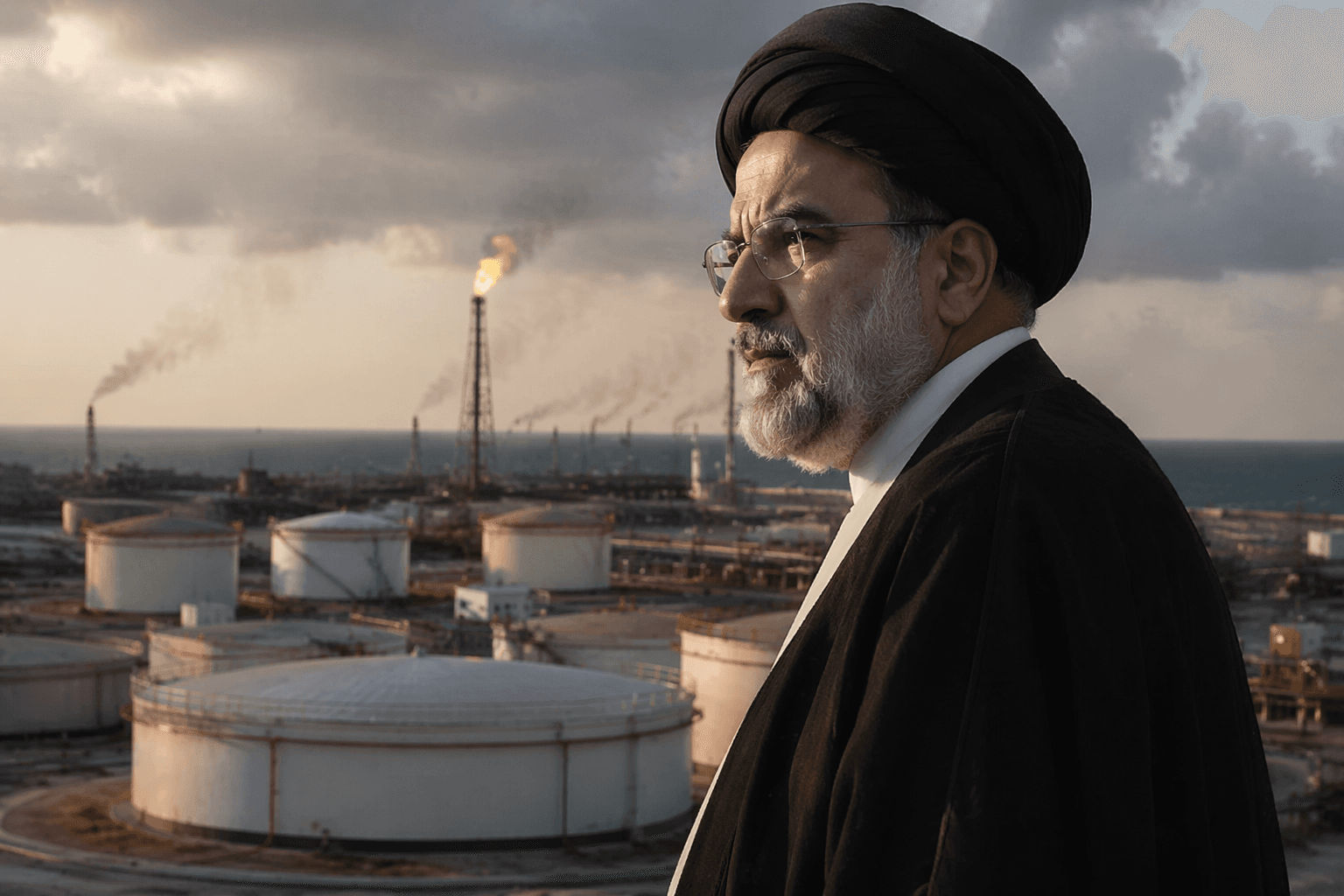
Vance’s Switzerland peace talks with Iran postponed as tensions linger
Vance’s Iran trip was delayed as Switzerland scrapped Friday’s talks, leaving a 60-day ceasefire effort hanging on shaky trust, missing Israel, and reluctant mediators.
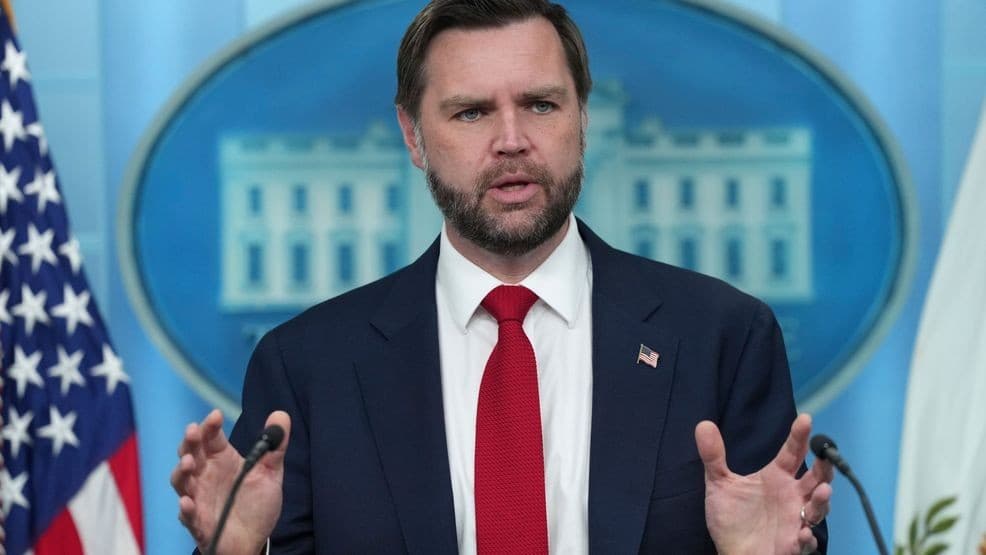
The postponement of Vice President JD Vance’s trip to Switzerland exposed how precarious the Iran channel remains, even after U.S. and Iranian officials framed a memorandum as a way to extend a fragile ceasefire by at least 60 days. Switzerland said the planned talks would not take place on Friday, June 19, and the White House said the logistics had “never been simple or predictable.”
The meeting had been expected at the Burgenstock resort, where Vance was set to attend a signing ceremony after preparatory talks in Doha. Qatar has been the main mediator, with support from Saudi Arabia and Turkey, but the arrangement remains vulnerable to the same distrust that has shadowed the wider conflict from the start.

That war began on February 28, 2026, after U.S. and Israeli air attacks on Iran, and it has killed at least 7,000 people while rattling energy prices and global markets. Israel was left out of the talks and continued striking Hezbollah in Lebanon, a military split that underscores the limits of any deal that does not include every major combatant.
The postponement also sharpened the political stakes in Washington. Iranian officials have signaled deep skepticism about dealing with the United States, while Republicans in Congress have questioned whether President Donald Trump conceded too much to Tehran. If the administration cannot turn this pause into a durable agreement, the ceasefire risks becoming another temporary halt rather than a workable framework for de-escalation.
For U.S. foreign policy, the immediate test is whether Washington can keep the channel open long enough to salvage a formal signing in Switzerland and prevent the ceasefire from collapsing under battlefield pressure. The broader risk is that each delay hardens doubts among allies, emboldens hard-liners in Tehran and sharpens congressional resistance at home. If the talks keep slipping, the White House may find that diplomacy, like the war it is trying to contain, is now being judged on whether it can hold even for 60 days.
This article was produced by Prism’s automated news system from verified source data, official records, and press releases, then run through automated quality and moderation checks before publishing. The system is built and supervised by the people who set the standards it runs under. Read our full AI policy.
Know something we missed? Have a correction or additional information?
Submit a Tip