Vance heads to Switzerland as Iran claims Strait of Hormuz closed
Vance flew to Switzerland as Iran said the Strait of Hormuz was closed again, even as U.S. officials reported ships were still moving oil through the waterway.
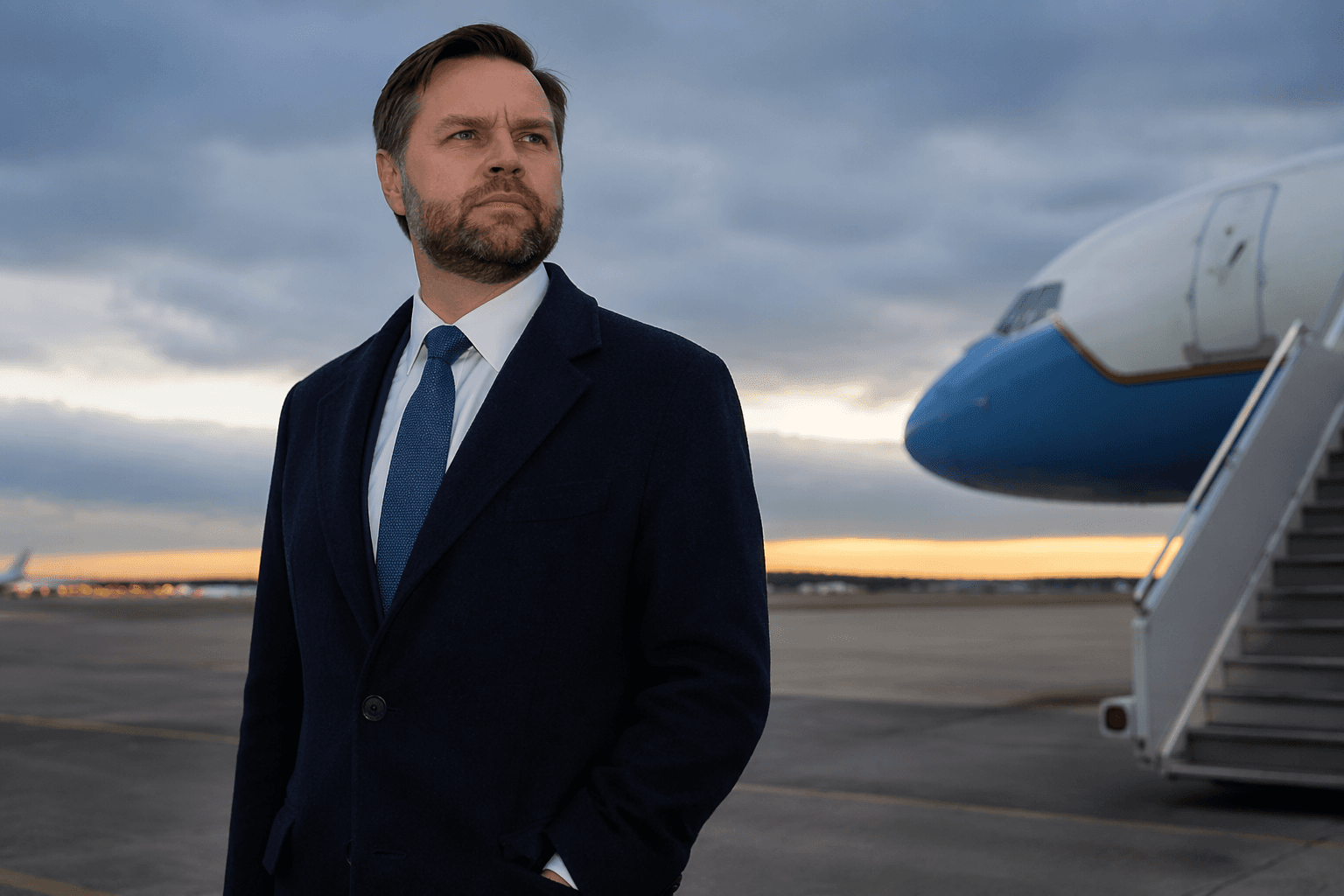
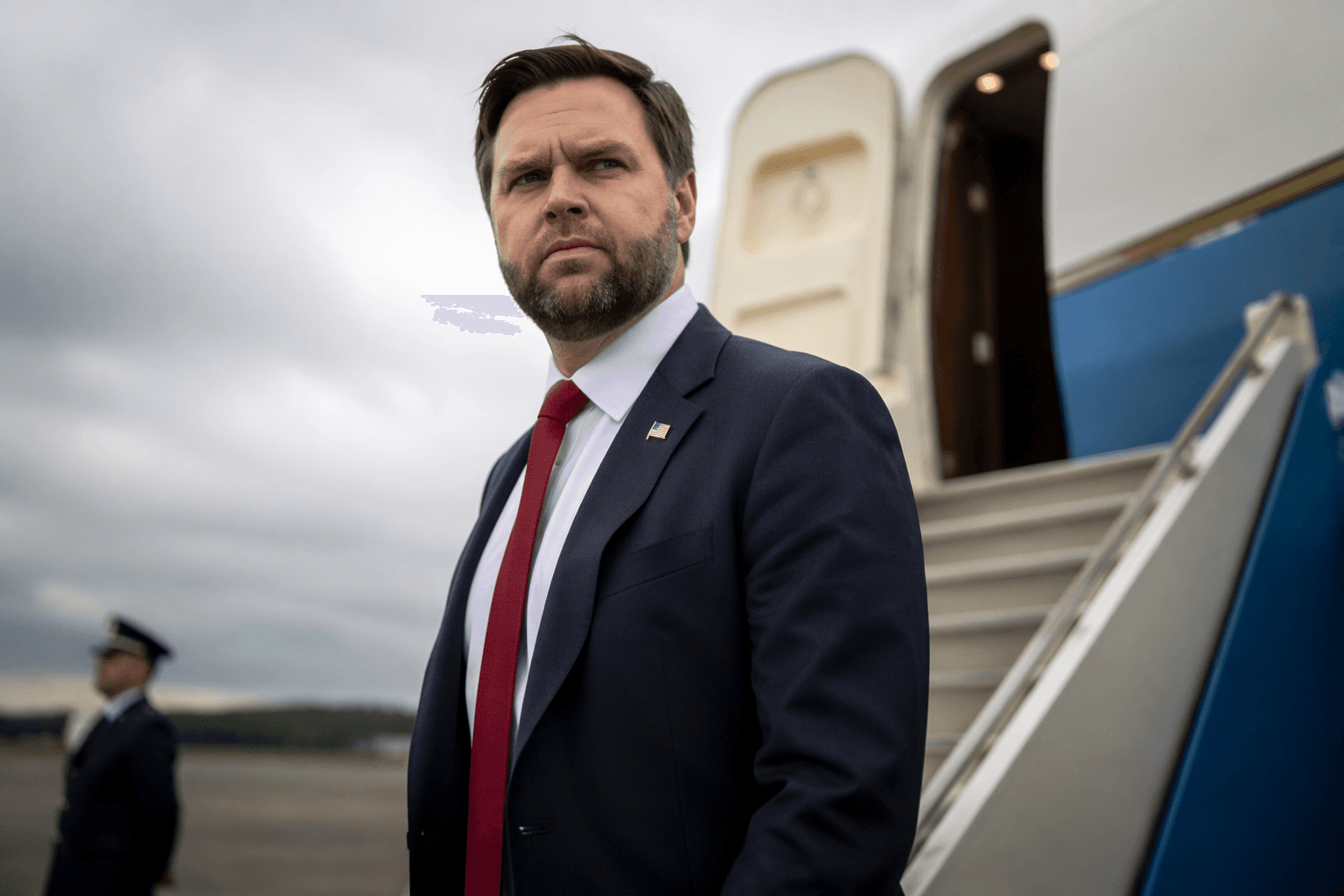
The talks in Switzerland now carry a blunt test for American interests: whether diplomacy can hold together long enough to keep a regional war from spilling into global shipping lanes, energy markets and U.S. security planning. Vice President JD Vance left Joint Base Andrews on Saturday for the negotiations, while Iran’s military said the Strait of Hormuz was closed again and warned vessels not to enter.
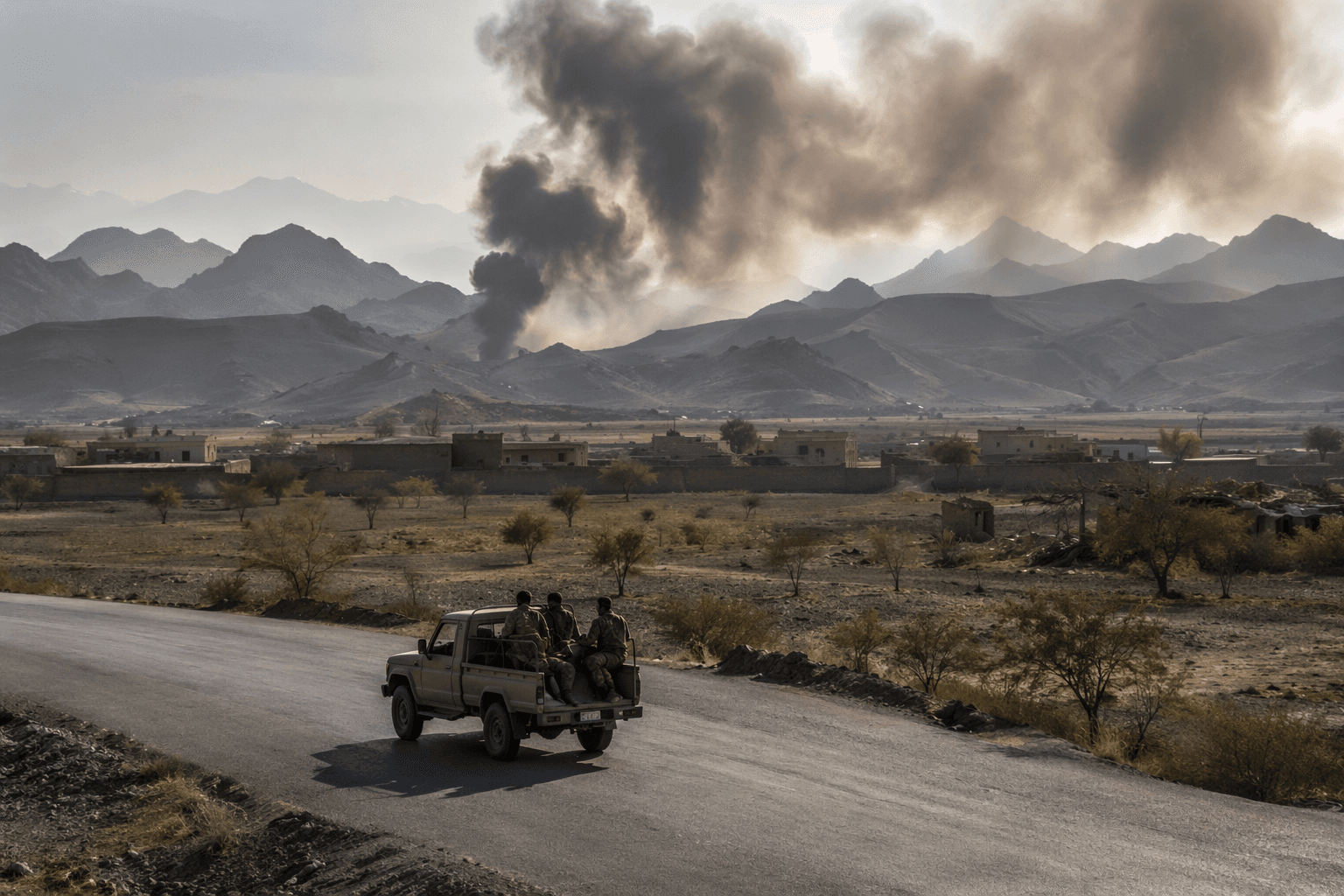
U.S. officials pushed back immediately, saying commercial traffic was still moving through the strait and that Iran did not control the waterway. U.S. Central Command said 55 merchant ships transited the strait in a single day, carrying more than 17 million barrels of oil to global markets, a reminder of how quickly any disruption in the narrow passage can ripple far beyond the Middle East.
The dispute landed just as Washington and Tehran were trying to preserve a fragile interim arrangement. The United States and Iran signed a 14-point memorandum last week aimed at ending nearly four months of war and reopening the Strait of Hormuz. The deal reportedly allowed 60 days of toll-free transit through the strait, and it said U.S. troops would not be required to leave the region until 30 days after a final agreement is reached.
Iran said Israel’s continued strikes in southern Lebanon violated the truce framework and triggered the renewed closure threat. Lebanese authorities said Israeli strikes in the south killed at least 16 people, including two children, and left people trapped under rubble in several villages. Lebanon’s state-run National News Agency said the violence continued in the south even after reports of a ceasefire agreement, adding pressure on the negotiations already set for Sunday.
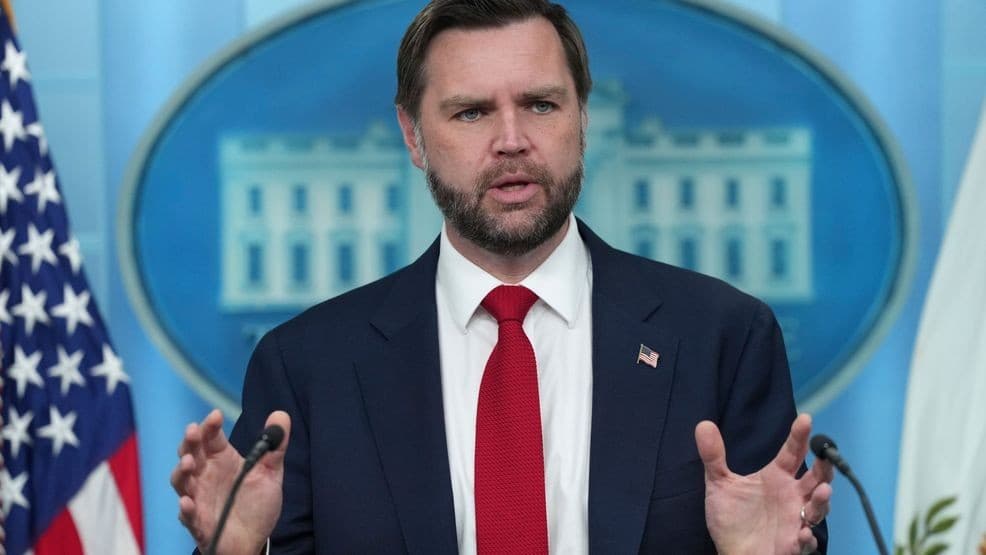
Tehran signaled it would still show up. Iran’s foreign ministry said it would send representatives to Switzerland on Sunday, and Iranian Parliament Speaker Mohammad Bagher Ghalibaf was also expected to attend. Vance said on Fox News that the talks were going well and said Jared Kushner and U.S. Middle East envoy Steve Witkoff were involved in the negotiations.
The stakes in Switzerland are larger than the wording of a ceasefire or a maritime corridor. If the strait closes in practice, even briefly, the cost lands immediately on oil flows, shipping insurance and American leverage in the region. If the talks hold, they could still define the terms for a pause in the war, movement through one of the world’s most sensitive waterways and the next phase of diplomacy over Iran’s nuclear program and regional security.
This article was produced by Prism’s automated news system from verified source data, official records, and press releases, then run through automated quality and moderation checks before publishing. The system is built and supervised by the people who set the standards it runs under. Read our full AI policy.
Know something we missed? Have a correction or additional information?
Submit a Tip