King Charles urges checks on power in Congress, during Trump visit
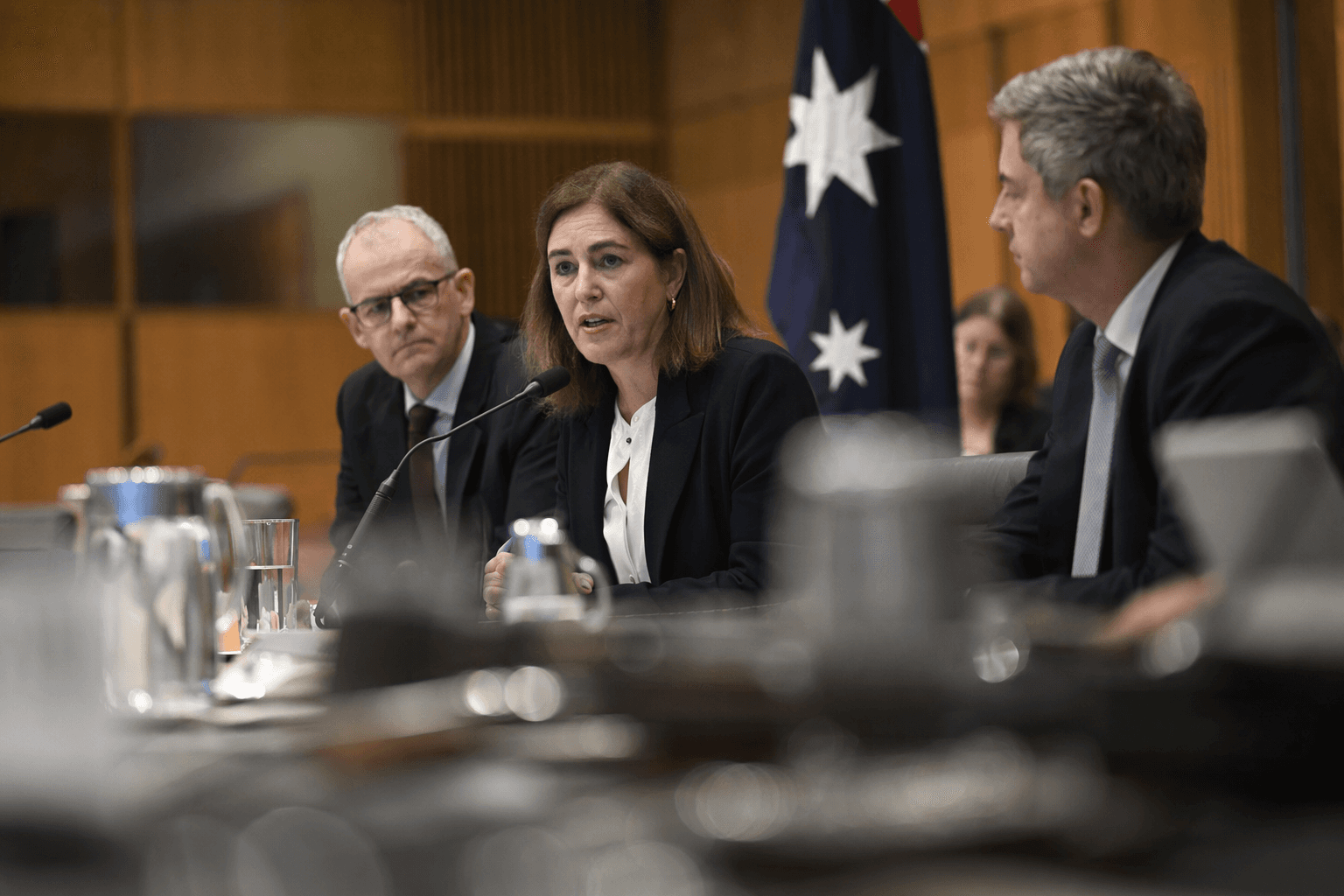
King Charles turned a rare speech to Congress into a lesson on checks and balances, as Trump’s state visit put royal symbolism beside presidential power.
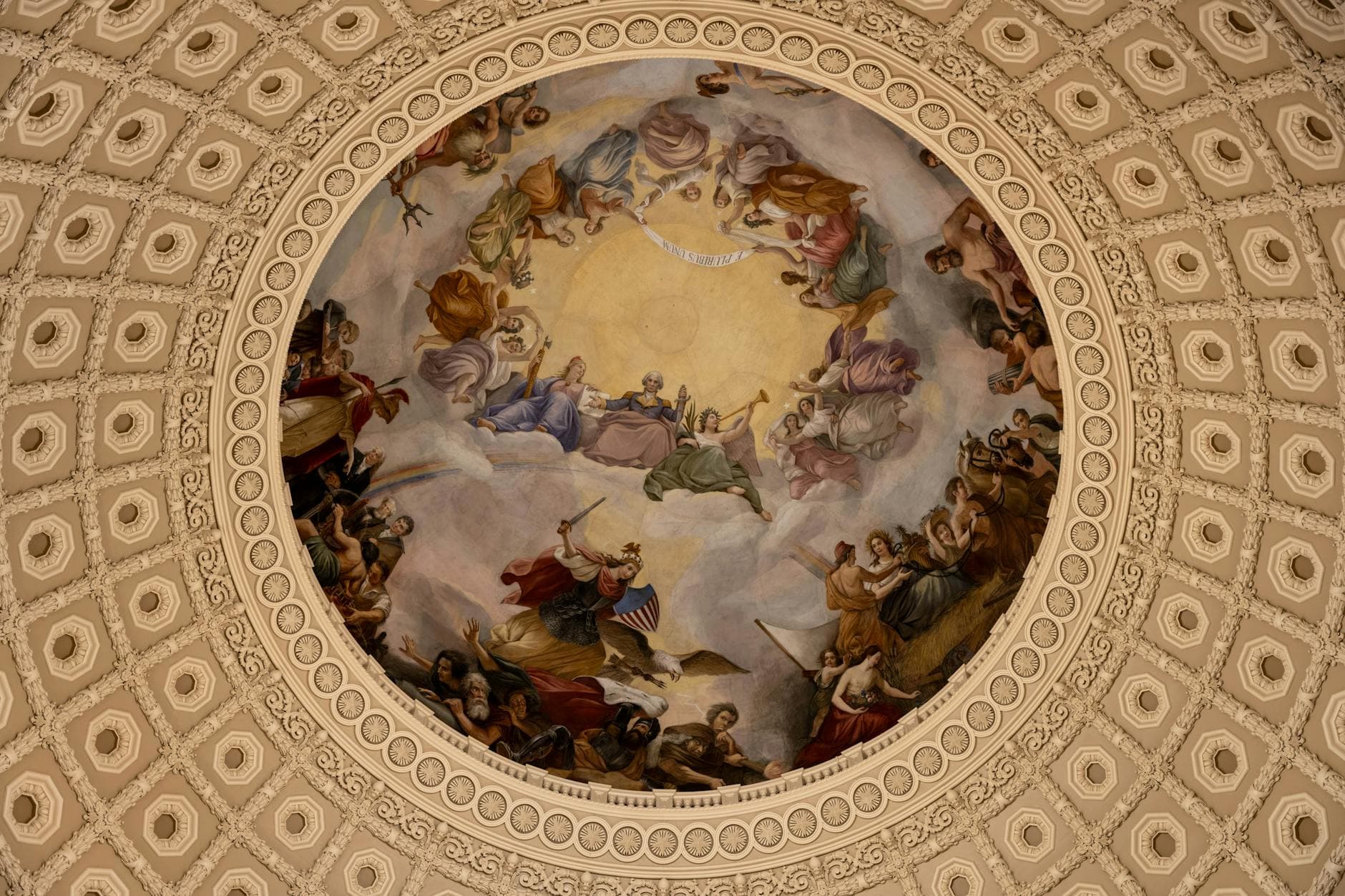
King Charles III used a rare address to Congress to stress that executive power is not absolute, delivering a message that landed with unusual force while Donald Trump hosted the first official state visit of his second term.
The four-day visit ran from Monday, April 27, through Thursday, April 30, and the White House said it was designed to honor the U.S.-U.K. relationship as Americans mark 250 years of independence. But the diplomatic pageantry took on sharper political meaning when Charles spoke to a joint meeting of Congress on Tuesday, April 28, and praised the principle that power must be restrained by checks and balances. Lawmakers responded with standing ovations and extended applause.
Charles anchored that point in history, invoking Magna Carta, the 1689 Bill of Rights and the 1791 U.S. Bill of Rights. In doing so, he tied Britain’s constitutional monarchy and America’s republican system to a shared tradition of limiting authority, a choice that made his remarks read less like ceremony than instruction. He became only the second British monarch ever to address Congress, following Queen Elizabeth II in 1991.
The timing sharpened the contrast. The visit came days after the April 25 shooting near the White House Correspondents’ Association dinner, which led to Trump’s evacuation and prompted law-enforcement officials to review security arrangements. Officials said the suspect was likely targeting Trump and members of his administration, adding a layer of tension to a week already defined by high symbolism and heavy security.
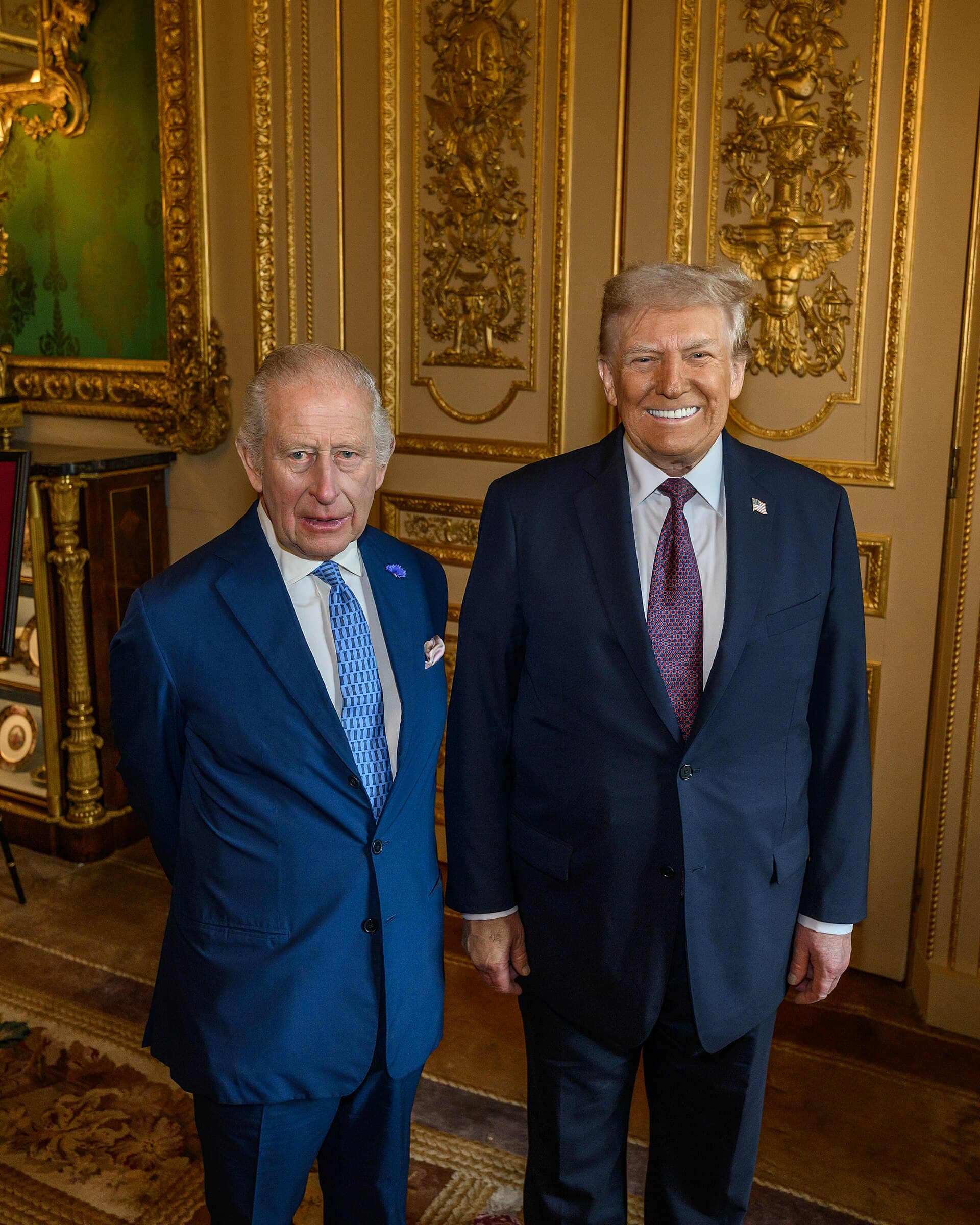
That backdrop made the state dinner in the East Room more than a formal closing act. Trump and Melania Trump hosted King Charles III and Queen Camilla on Tuesday evening, with guests including Jeff Bezos and Tim Cook. During the dinner, Trump toasted the U.S.-U.K. alliance and joked that Charles had managed to get Democrats to stand during his congressional address, a line that underscored the unusual cross-party reaction to the king’s remarks.
For Charles, the visit was his first official state visit to the United States as king, and its setting in Washington carried obvious constitutional theater. For Trump, it offered the optics of hosting a monarch at a moment when presidential power, security, and democratic restraint were all in view. The result was a state visit that celebrated alliance while quietly reminding Washington that even the most elevated offices are meant to operate within limits.
Know something we missed? Have a correction or additional information?
Submit a Tip