KLM Alerts Low De‑Icing Stocks as Schiphol Faces Snow Disruptions
KLM warned on Jan. 6 that its supplies of heated water and glycol de‑icing fluid at Amsterdam Schiphol were running low after continuous de‑icing operations spanning several days of heavy snow. The shortage forced staff to collect extra fluid from a supplier in Germany and has compounded widespread schedule disruption across Europe, leaving uncertainty about how long operations can continue without steady resupply.
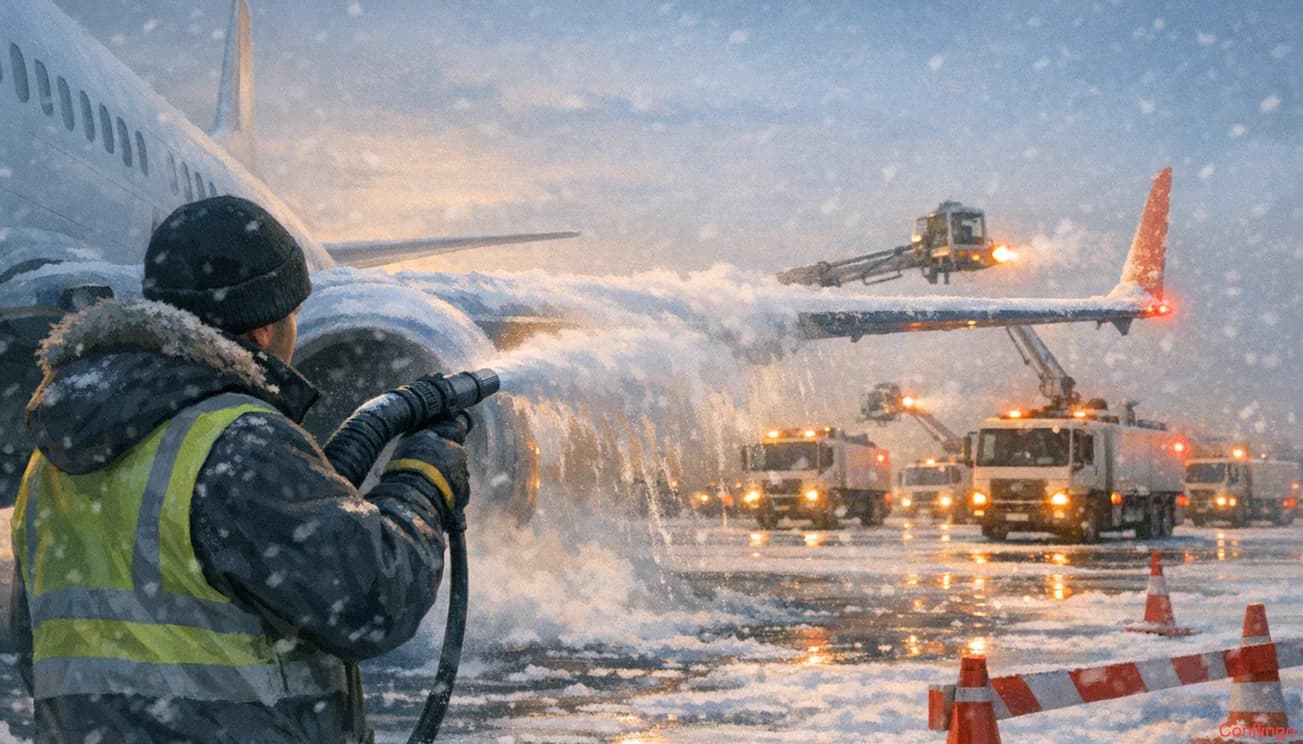
KLM Royal Dutch Airlines said on Jan. 6 that stocks of the heated‑water and glycol mixture it uses to remove snow and ice from departing aircraft at Amsterdam Airport Schiphol were dwindling after the carrier ran its full de‑icing fleet around the clock for several days. The airline said it had operated all 25 of its de‑icing trucks continuously since Friday, Jan. 2, consuming roughly 85,000 liters per day and prompting staff to travel to a German supplier to collect additional fluid as replenishment delays persisted.
The pressure on KLM’s de‑icing operation followed multiple days of sustained snowfall that produced a steady stream of departures requiring treatment. The airline’s de‑icing team, comprised of more than 100 employees, has worked around the clock to maintain a flow of cleared departures even as stock levels fell. KLM described the supply strain as part of a broader Europe‑wide challenge driven by extreme weather and provider delays.
KLM said it had taken emergency measures to shore up inventory. Company personnel traveled to a principal German supplier to collect extra fluid after the provider was unable to guarantee timely delivery to Schiphol. A KLM spokesperson, Anoesjka Aspeslagh, said, "We are doing everything we can to prevent it." The carrier later reported that it had secured more de‑icing fluid, but it could not provide a precise timeframe for how long existing stocks would last if further resupply were delayed.
Operational distinctions at Schiphol complicated the picture. Airport authorities reported that runway de‑icing stocks remained ample, but KLM said it is responsible for de‑icing most aircraft at the hub and therefore faced the brunt of the supply shortfall. The airline emphasized the safety imperative behind the work, noting that "every departing aircraft must be completely free of snow and ice before it can safely take off."
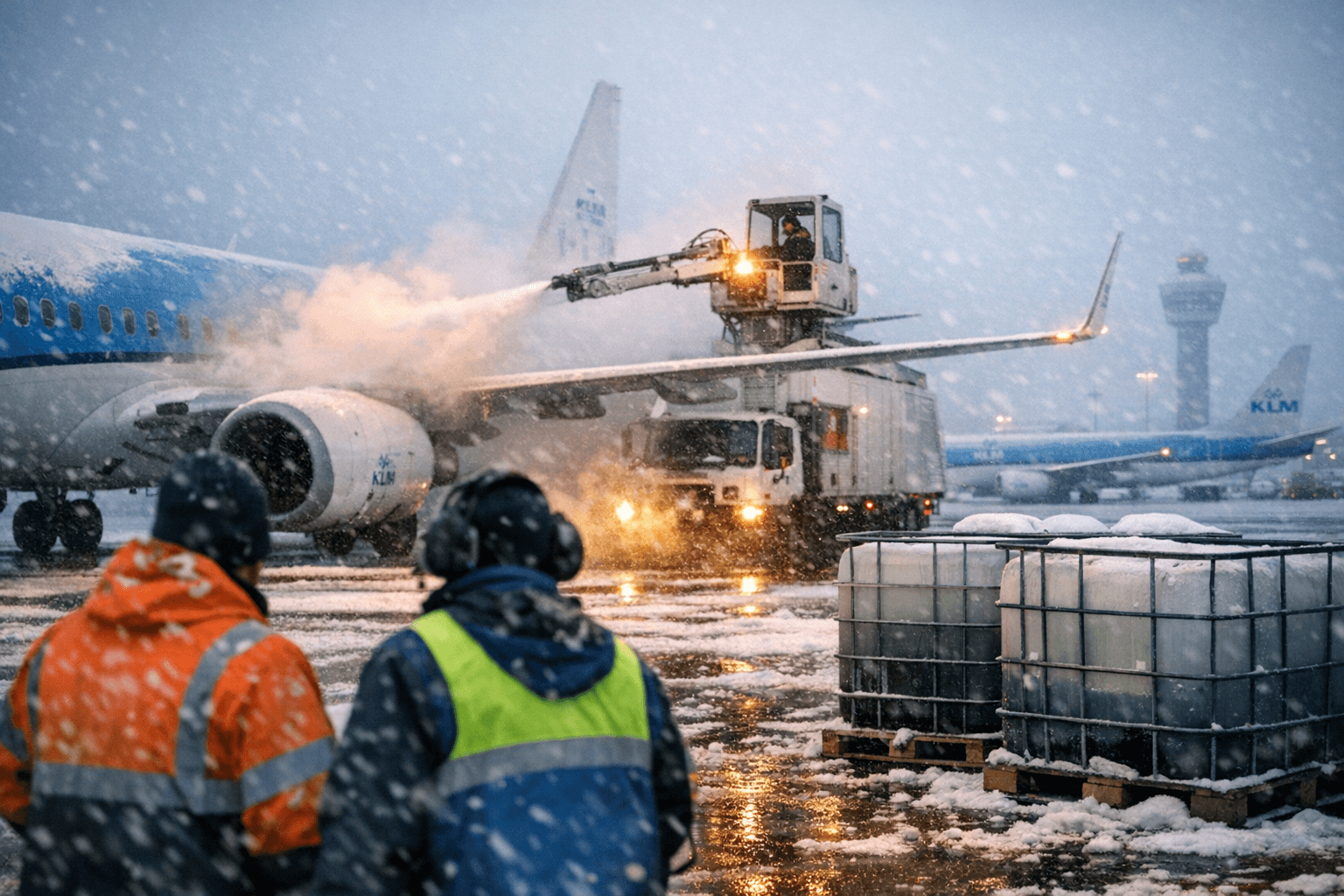
The disruption translated into significant schedule upheaval across Europe’s networks. Different tallies compiled during the run of storms varied by snapshot: one count put cancellations at nearly 2,400, another described thousands of cancellations over five days, and a separate tally recorded more than 700 canceled flights with the possibility of further increases. For services that did operate, average delays approached two hours. Flight‑tracking data showed severe tarmac holds, including a KLM service to London that taxied twice and returned to the gate after roughly two and a half hours, and an A380 that remained on the tarmac for about three hours after landing before reaching its assigned gate.
Beyond immediate passenger inconvenience, the episode highlights vulnerabilities in winter logistics for Europe’s aviation system, where concentrated demand for de‑icing fluid during prolonged cold snaps can overwhelm suppliers and cascade into cancellations and long delays. For travelers and carriers alike, the incident underscores the dependence of safe air operations on timely supply chains and coordinated airport planning when winter weather persists. KLM said it continued to monitor stocks and to prioritize flights according to operational and safety criteria as it worked to restore normal service.
This article was produced by Prism’s automated news system from verified source data, official records, and press releases, then run through automated quality and moderation checks before publishing. The system is built and supervised by the people who set the standards it runs under. Read our full AI policy.
Did this article answer your question?


