Kremlin rejects U.S. intelligence portrayal of Putin seeking all of Ukraine
The Kremlin on Monday rejected an account that attributed to U.S. intelligence the assessment that Vladimir Putin still seeks to seize the entirety of Ukraine, calling the sourcing unreliable and the conclusions false. The dispute exposes deep information gaps that could complicate diplomacy, unsettle markets sensitive to geopolitical risk, and influence Western defense and sanctions policy.
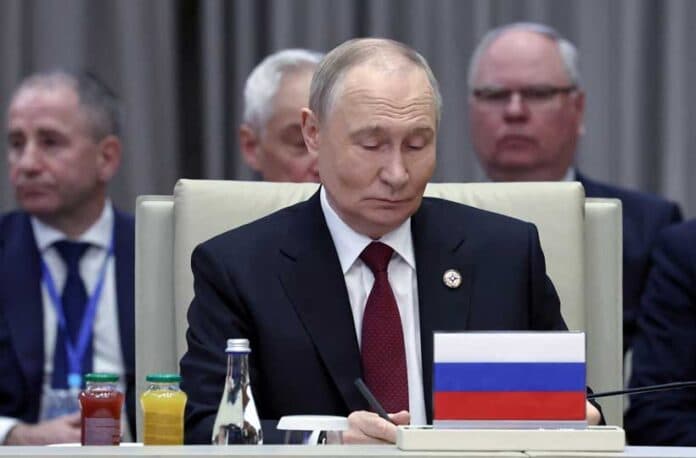
Moscow publicly dismissed an intelligence characterization circulating in international reporting that portrayed President Vladimir Putin as intent on seizing all of Ukraine and reasserting control over parts of Eastern Europe once in the Soviet orbit. Kremlin spokesman Dmitry Peskov told a news briefing in Moscow that the portrayal was “absolutely not true” and questioned the reliability of anonymous sources cited in the account, saying “We do not know how reliable they are. That is the first point.”
The account in question attributed its conclusions to six unnamed sources described as familiar with U.S. intelligence and said the assessment covered Mr. Putin’s goals accumulated over four years of full scale war. The published characterization, which has been widely cited by international outlets, stood in apparent tension with Mr. Putin’s repeated public statements that he does not threaten Europe and does not seek a war with NATO.

The dispute widened on Monday when several outlets reported that the head of U.S. national intelligence publicly disputed the account. The U.S. Director of National Intelligence, Tulsi Gabbard, was reported to have accused “warmongers” of attempting to undermine President Donald Trump’s peace efforts on Ukraine. Reporting cited social media posts and brief public statements attributed to the intelligence chief but did not provide a full transcript of the exchange.
The clash over attribution and accuracy matters beyond reputations. Markets and policymakers treat intelligence assessments as inputs to decisions on sanctions, defense aid and energy policy. When core judgments about an adversary’s intent are in dispute, investors face higher political risk premiums and uncertainty that can feed volatility in commodities such as natural gas and oil, in defense sector equities, and in currencies of countries closely tied to the conflict. For central banks and sovereign debt managers, heightened geopolitical risk can translate into tighter financing conditions for affected countries and higher borrowing costs.
Beyond immediate market reactions, the disagreement highlights a deeper structural challenge for Western policy. If intelligence communities privately assess expansionist intent, allies may feel compelled to sustain or increase military and economic support to Ukraine. If those assessments are contested or reversed in public, political coalitions supporting prolonged aid could fracture, particularly amid competing domestic priorities. The reported denunciation of critics as “warmongers” frames the dispute as also domestic and partisan, potentially complicating diplomatic outreach that hinges on coherent messaging.
Analysts will also watch the sourcing. The account rests on anonymous references to six individuals familiar with intelligence work, and the Kremlin’s refusal to accept those sources underscores the difficulty of public verification. Independent confirmation of the underlying assessments, or release of fuller on the record statements from U.S. intelligence officials, would be decisive in resolving the dispute.
For now the episode reinforces an enduring trend from the past four years of war, namely the persistence of uncertainty about Moscow’s long term objectives and the resulting policy and market consequences of that uncertainty. As governments weigh next steps on aid, sanctions and deterrence, clarity about intent remains a scarce and strategic commodity.
This article was produced by Prism’s automated news system from verified source data, official records, and press releases, then run through automated quality and moderation checks before publishing. The system is built and supervised by the people who set the standards it runs under. Read our full AI policy.
Did this article answer your question?


