Kremlin Says Russia Still Central to Global Oil Markets After U.S. Waiver Renewal
Moscow said Washington’s new oil waiver proved Russia still matters in global energy markets, even as U.S. sanctions remained on the books.
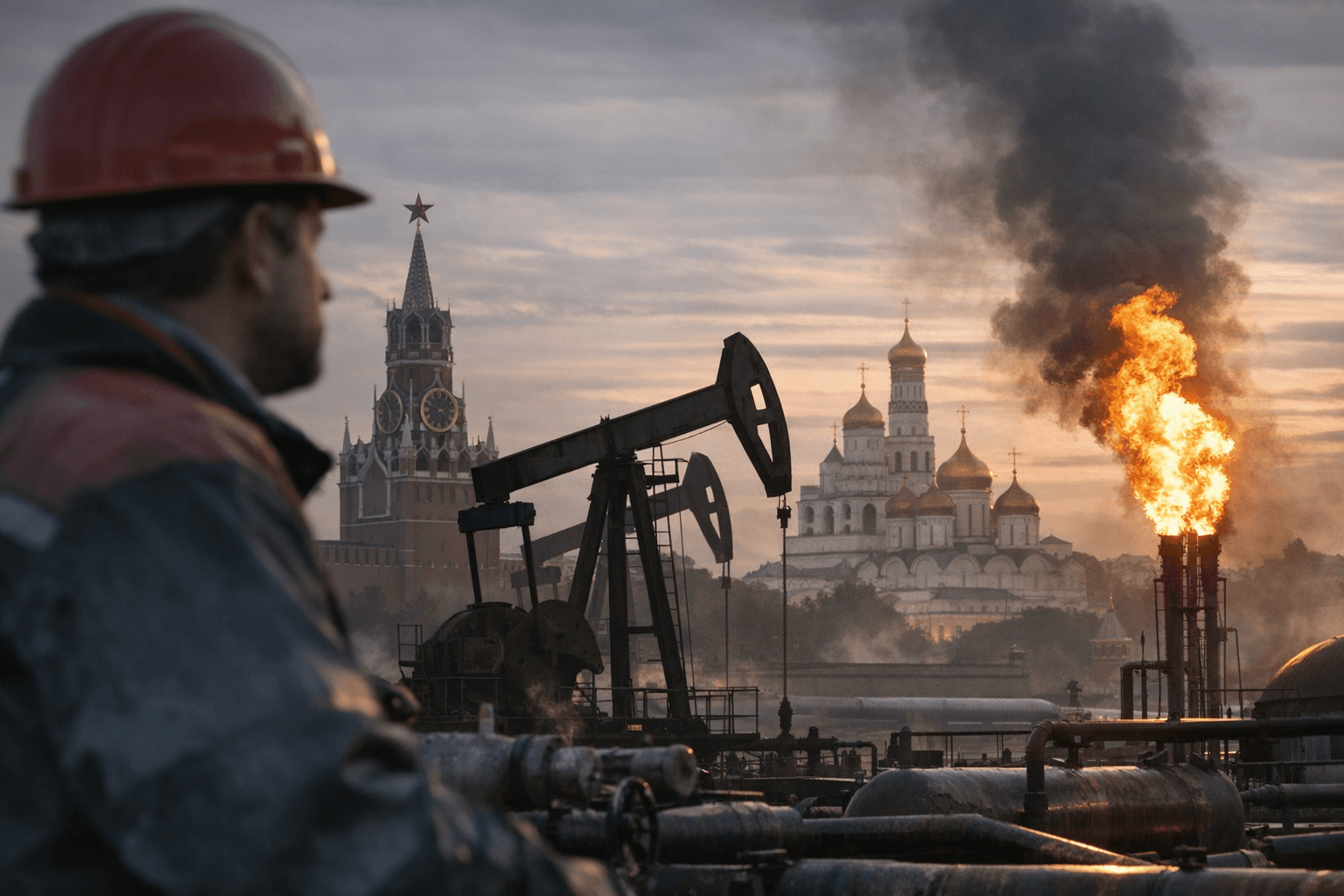
Russia said Washington’s latest waiver only reinforced a blunt reality: Russian crude still moves global markets, and buyers still need access to it. The U.S. Treasury Department renewed a license that allows purchases of Russian oil and petroleum products loaded on vessels as of April 15 through May 16, replacing a 30-day waiver that expired on April 11. The renewed measure excludes transactions involving Iran, Cuba and North Korea.
Kremlin spokesman Dmitry Peskov said it was hard not to take Russia’s export volumes into account, and he cast Russia as a “responsible and important player” in global energy markets. That argument has long been central to Moscow’s position: even under sanctions, Russia says its oil cannot simply be removed from the system without consequences for supply, shipping and prices. For Washington, the waiver shows that sanctions enforcement is now being shaped as much by market stability as by punishment.
The tension has sharpened as the Middle East war rattled energy flows. The International Energy Agency said the conflict created the largest supply disruption in the history of the global oil market. It said crude and oil-product flows through the Strait of Hormuz plunged from around 20 million barrels per day before the war to a trickle, while Gulf countries cut total oil production by at least 10 million barrels per day. Faced with that shock, the United States moved to keep some Russian barrels available as countries pressed for alternatives.
The political blowback was immediate. Senate Democrats accused the administration of going easy on Moscow while the war in Ukraine continued, and they said the initial waiver, combined with high oil prices during the Iran war, was bringing Russia about $150 million per day. The White House’s approach suggests a familiar sanctions problem: pressure can be tightened, but when oil markets seize up, enforcement often bends.
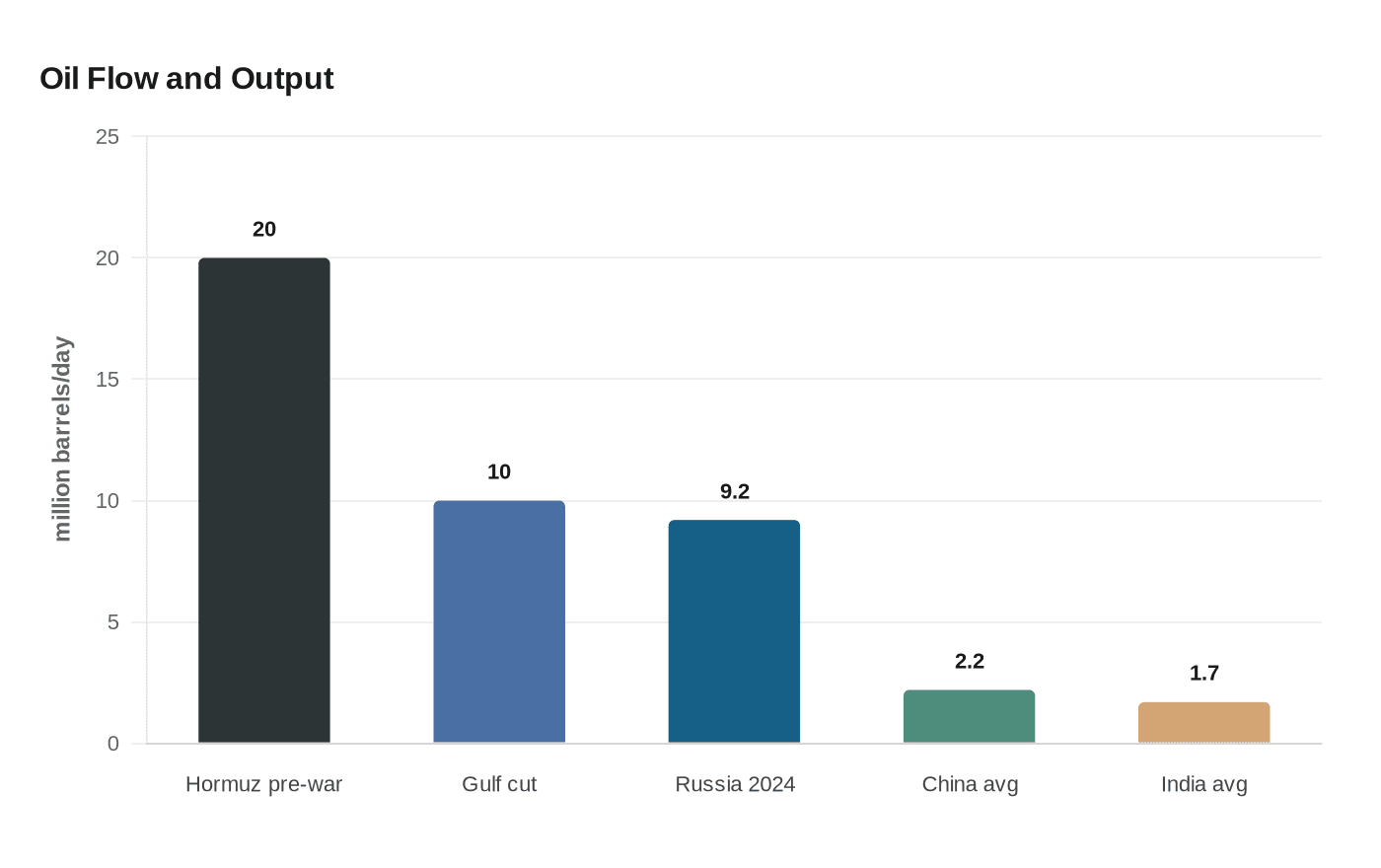
That balance matters because Russia remains one of the world’s most important producers. The U.S. Energy Information Administration said Russia produced 9.2 million barrels per day of crude oil in 2024 and was the world’s second-highest producer of crude oil and condensate in 2023. It also said Asia and Oceania received 81% of Russia’s crude oil and condensate exports in 2024, with China averaging 2.2 million barrels per day and India 1.7 million. The waiver does not end sanctions, but it makes plain that Russia’s oil still carries leverage, and that the costs of isolating Moscow are still being felt in energy markets far beyond Russia’s borders.
This article was produced by Prism’s automated news system from verified source data, official records, and press releases, then run through automated quality and moderation checks before publishing. The system is built and supervised by the people who set the standards it runs under. Read our full AI policy.
Did this article answer your question?


