US Seizes Iranian Cargo Ship in Gulf, Escalating Naval Blockade
The USS Spruance disabled the Iranian-flagged Touska after six hours of warnings. Washington says the ship was sanctioned, while retaliation risk in Hormuz is rising.

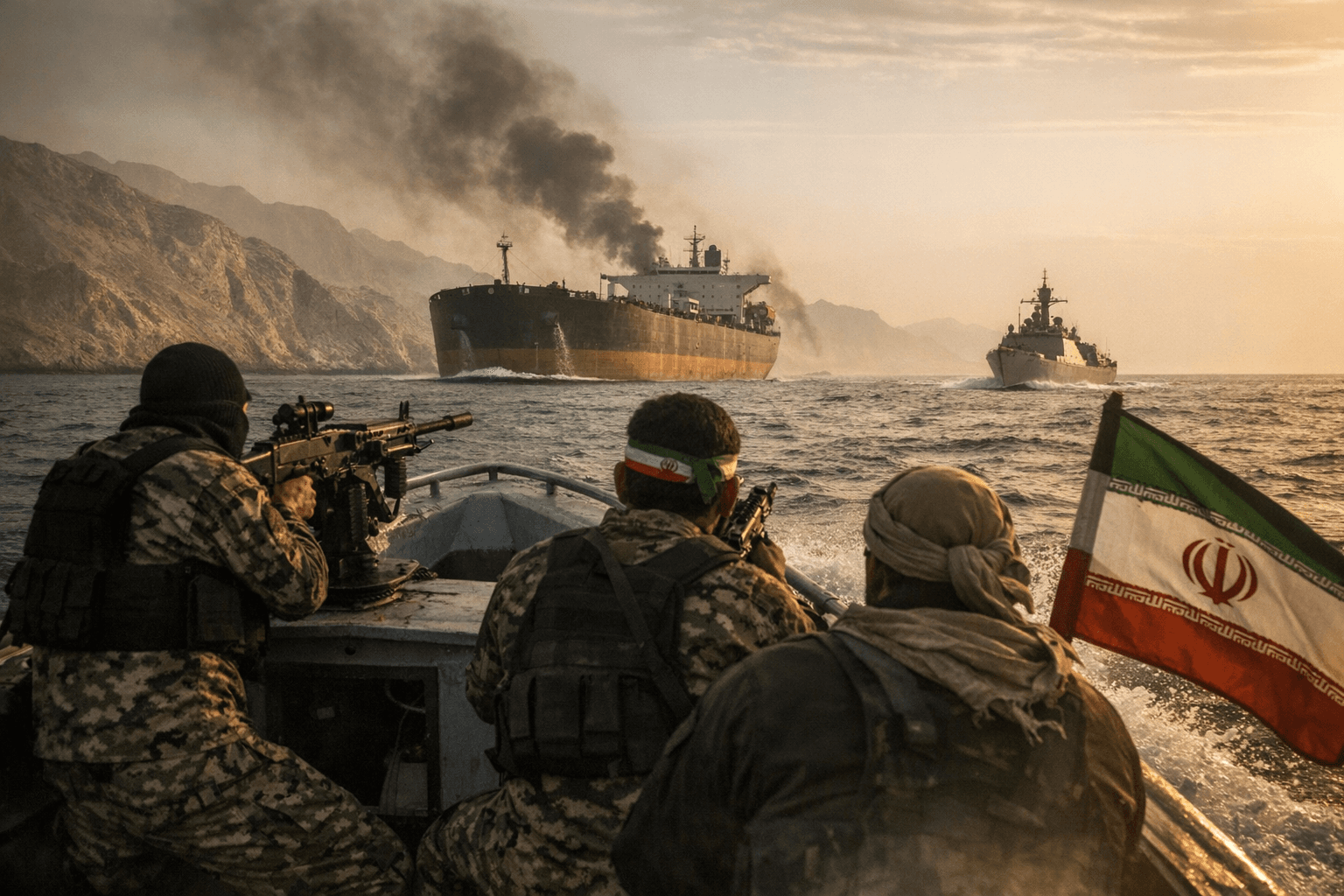
The USS Spruance disabled the Iranian-flagged cargo ship M/V Touska in the north Arabian Sea after six hours of warnings, deepening a U.S. naval blockade that now carries immediate risk of retaliation across the Gulf. President Donald Trump said the vessel was under U.S. Treasury sanctions for prior illegal activity, and U.S. officials framed the seizure as enforcement against a ship bound for Bandar Abbas, not a one-off stop.
U.S. Central Command said the Touska was moving at 17 knots on April 19, 2026, when the destroyer intercepted it in the north Arabian Sea. After repeated warnings went unanswered, the USS Spruance fired several rounds from its 5-inch MK 45 gun into the ship’s engine room to knock out propulsion. Marines from the 31st Marine Expeditionary Unit then boarded the vessel, which remains in U.S. custody.
The action landed in a highly combustible stretch of water. Iran fired on commercial vessels trying to transit the Strait of Hormuz earlier the same day, underscoring how quickly shipping lanes can become part of the confrontation. CENTCOM said the blockade has already forced 25 commercial vessels to turn around or return to Iranian ports, a sign that Washington is using maritime pressure to constrict Tehran’s trade routes while avoiding a broader regional war.
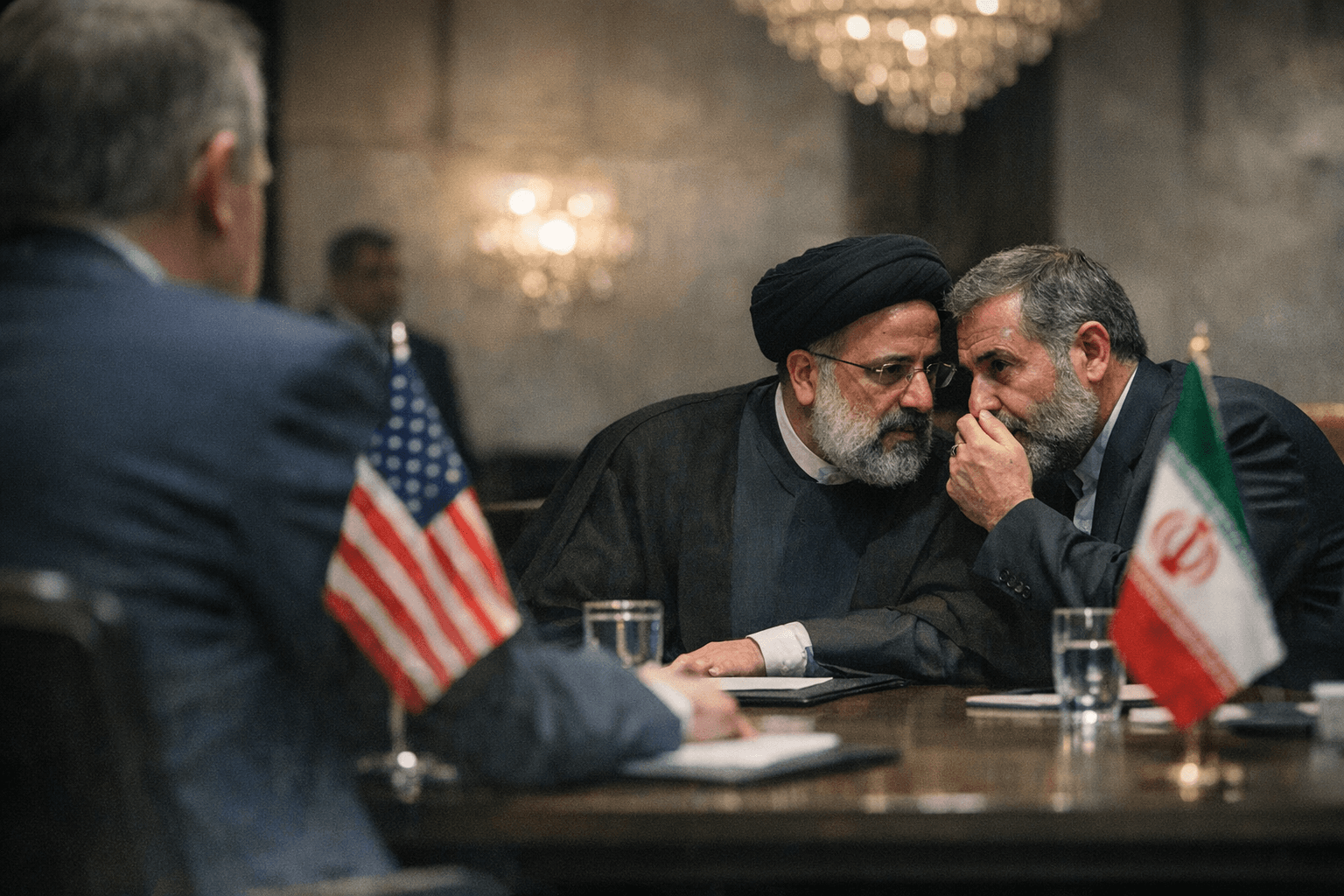
The seizure also collided with the diplomacy that was supposed to follow. U.S. envoys were expected to travel to Pakistan on Monday, April 20, 2026, for a second round of peace talks with Iranian counterparts, but Iran called the talks off and said the blockade breached the ceasefire between the two sides. That leaves the confrontation in a dangerous middle ground, with naval interdiction advancing faster than any political off-ramp.
For oil markets, the immediate danger is not just one seized ship but the precedent it sets in the Strait of Hormuz, a chokepoint that traders watch for disruption, insurance spikes and higher freight costs whenever gunfire enters the picture. For the Pentagon, the operation showed a sharper military posture: the U.S. Navy moved from shadowing to disabling a commercial hull, then to boarding and seizure, a sequence that signals blockade enforcement is now being backed by direct force. China also weighed in, with foreign ministry spokesman Guo Jiakun saying, “The situation in the Strait of Hormuz is sensitive and complicated,” as Beijing urged the parties to stick to the ceasefire.
Know something we missed? Have a correction or additional information?
Submit a Tip