Turkey says COP31 will focus on climate finance and action
Turkey is trying to make COP31 a test of delivery, not rhetoric, with finance and implementation under pressure from years of unmet climate pledges.
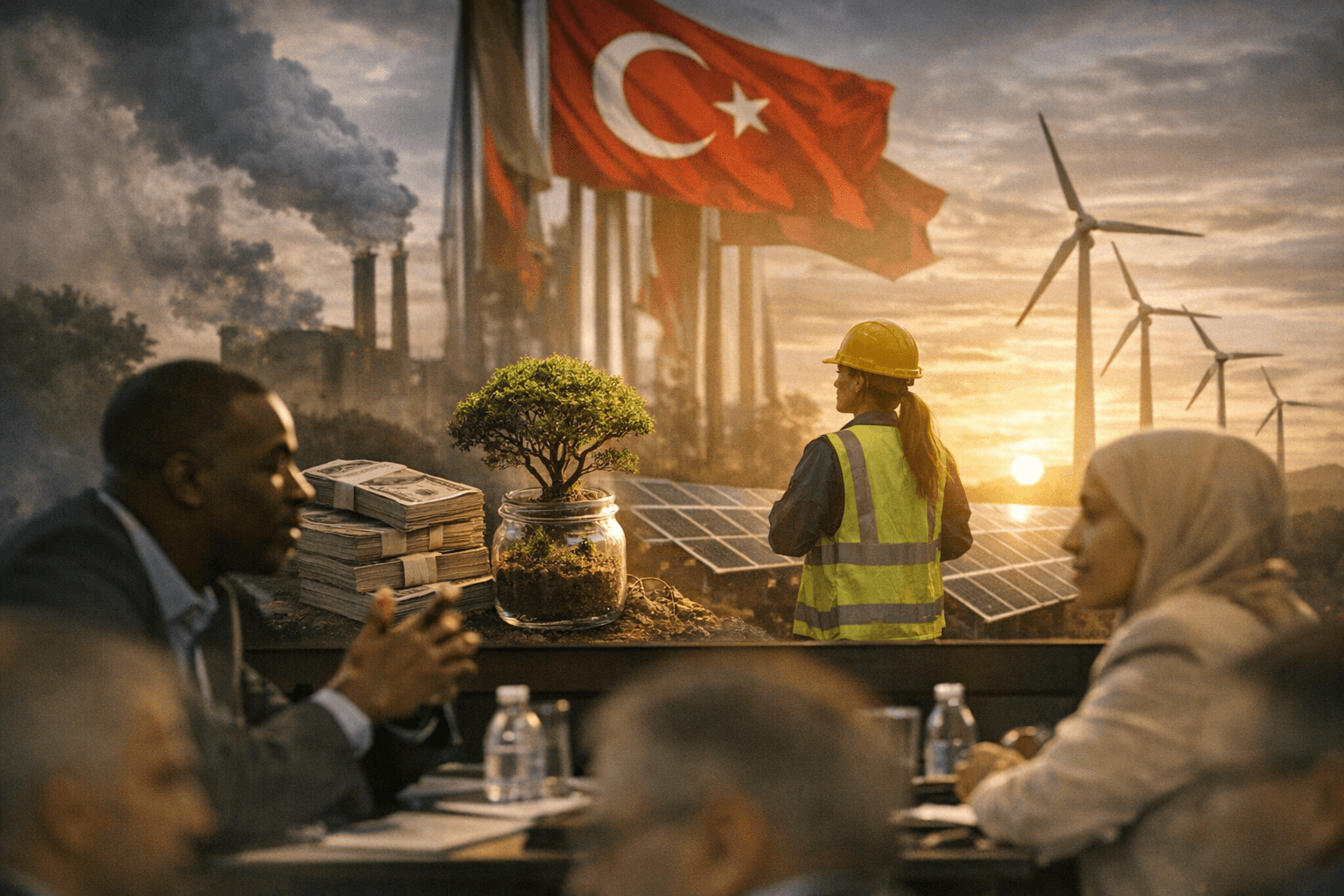
Turkey is trying to reset the climate conversation around money that can actually move and policies that can actually be carried out. With COP31 set for Antalya, Turkish officials are pushing finance, implementation and a just transition to the front of the agenda, a clear signal that the summit will be judged less by broad promises than by whether negotiators can turn them into measurable commitments.
COP31 will run from 9 to 20 November 2026 at the Antalya EXPO Center in Soğucaksu, with the World Leaders’ Summit scheduled for 11 and 12 November. Murat Kurum was appointed President-Designate for COP31/CMP21/CMA8 on 23 January 2026, and Türkiye named Samed Ağırbaş as COP31 Climate High-Level Champion the next day, building out the summit team months before the opening gavel.
The setup is unusual. Under the Türkiye-Australia partnership modalities, Türkiye will host and preside over COP31 while Australia leads the negotiations as President of Negotiations. That arrangement is meant to widen participation and smooth over tensions between richer and poorer countries, but it also raises the bar for delivery. A shared presidency will only matter if it produces a clearer path from pledges to implementation, especially on finance, where the climate talks have repeatedly stumbled.
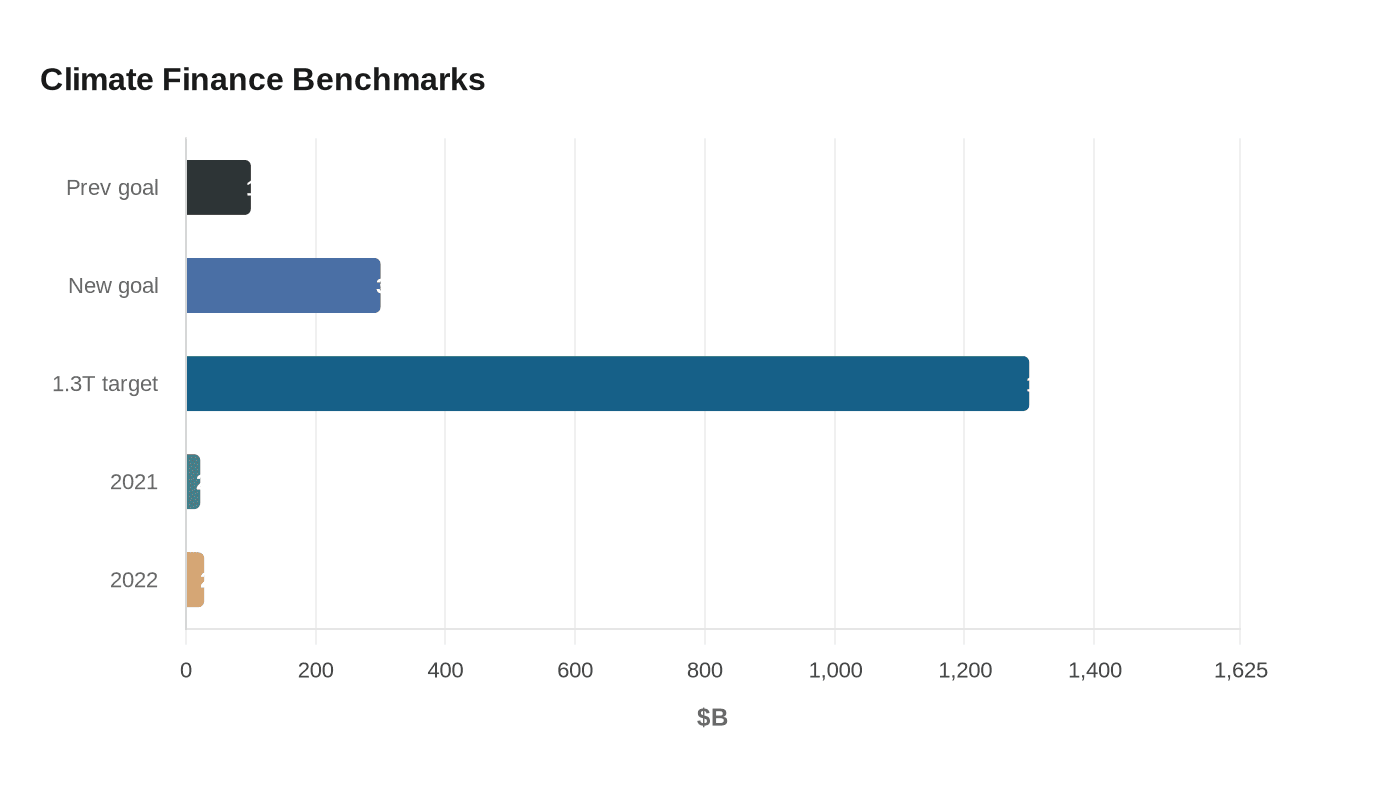
That pressure is already visible in the numbers. At COP29 in Baku, nearly 200 countries agreed to triple climate finance for developing countries from the previous $100 billion annual goal to $300 billion annually by 2035. They also called for all actors to work together to scale climate finance to at least $1.3 trillion a year by 2035. Those targets are now the benchmark against which COP31 will be measured, and they are far from being matched by the flows on the ground.
UNEP’s Adaptation Gap Report 2024 found that international public adaptation finance to developing countries rose from $22 billion in 2021 to $28 billion in 2022. That is an improvement, but it remains well short of what vulnerable countries say they need to protect infrastructure, agriculture and public health from rising climate shocks. Türkiye has said it wants climate finance to reach directly affected regions and developing countries, a position that casts it as an “honest intermediary and fair referee” while leaving little room for another summit built on vague ambition.
If COP31 is to count as action, the test by the end of the Antalya meeting will be concrete: a credible delivery plan for the Baku finance goals, clearer mechanisms for directing money to the countries most exposed to climate damage, and political commitments that can be tracked after the speeches end. Anything less would leave the summit looking like another exercise in promises that outpace implementation.
This article was produced by Prism’s automated news system from verified source data, official records, and press releases, then run through automated quality and moderation checks before publishing. The system is built and supervised by the people who set the standards it runs under. Read our full AI policy.
Did this article answer your question?


