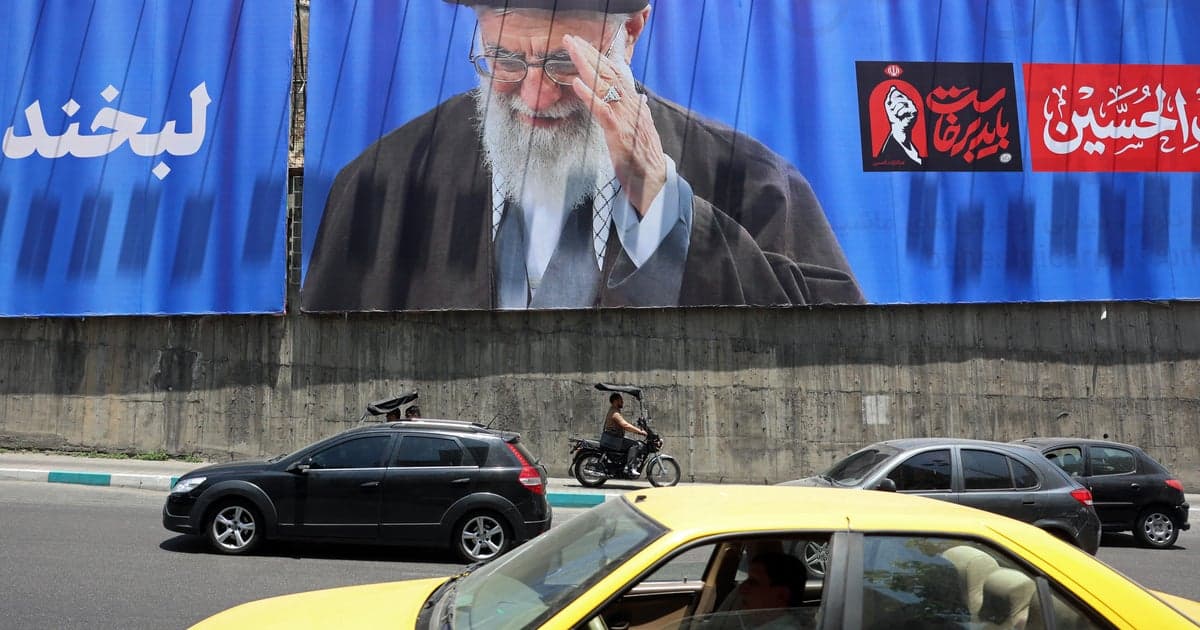
Kremlin urges restraint, calls for direct talks with Iran after Trump threat
The Kremlin on Tuesday publicly urged restraint and direct dialogue with Tehran after President Donald Trump warned Iran of possible further military strikes and signaled U.S. support for Israeli action. The exchange raises the prospect of renewed regional escalation, with markets and policymakers watching for disruptions to energy flows and strategic shifts among major powers.

Moscow pressed for calm on Tuesday after Washington’s blunt warning to Tehran, saying all parties should avoid steps that could escalate tensions in the Middle East and that direct dialogue with Iran was the necessary course. Kremlin spokesman Dmitry Peskov told reporters in Moscow that Russia “believe[s] that it is necessary to refrain from any steps that could escalate tensions in the region,” and that “first and foremost, dialogue with Iran is necessary.” He added that Russia would continue to cultivate close ties with Tehran, a relationship that has strengthened since the start of Russia’s war in Ukraine in February 2022.
The exchange followed remarks by President Trump delivered alongside Israeli Prime Minister Benjamin Netanyahu in Florida on the preceding Monday, in which the president warned Iran against rebuilding its missile and nuclear programs and said the United States “would hit Iran hard” if it recovers militarily from what he called the “June war.” Trump also said Washington would back possible Israeli strikes and reportedly stated it would support “another massive strike” on the Islamic Republic if conditions warranted. In Tehran, a senior aide to Supreme Leader Ayatollah Ali Khamenei warned that any new aggression would draw a “harsher response.”
The public confrontation between the United States and Iran, amplified on a high visibility platform with Israel’s leader present, risks elevating the political risk premium in global markets. Energy analysts and investors typically monitor such flashpoints for impacts on crude oil and shipping costs because any escalation could threaten Persian Gulf transit routes and increase the perceived fragility of regional supply chains. Policymakers also worry that a larger military exchange could pull in outside powers and disrupt secondary trade channels that have already shifted since 2022.
Russia’s insistence on dialogue reflects both a rhetorical preference for de-escalation and a strategic interest in preserving a broader bilateral relationship with Tehran that has deepened since Moscow’s 2022 military campaign in Ukraine. Economic ties, security cooperation and arms transfers have been cited by Russian officials as areas of expanding engagement with Iran. For Moscow, limiting a wider confrontation helps protect its growing commercial and geopolitical foothold in the Middle East while avoiding additional strain with Western capitals over separate theatres of conflict.
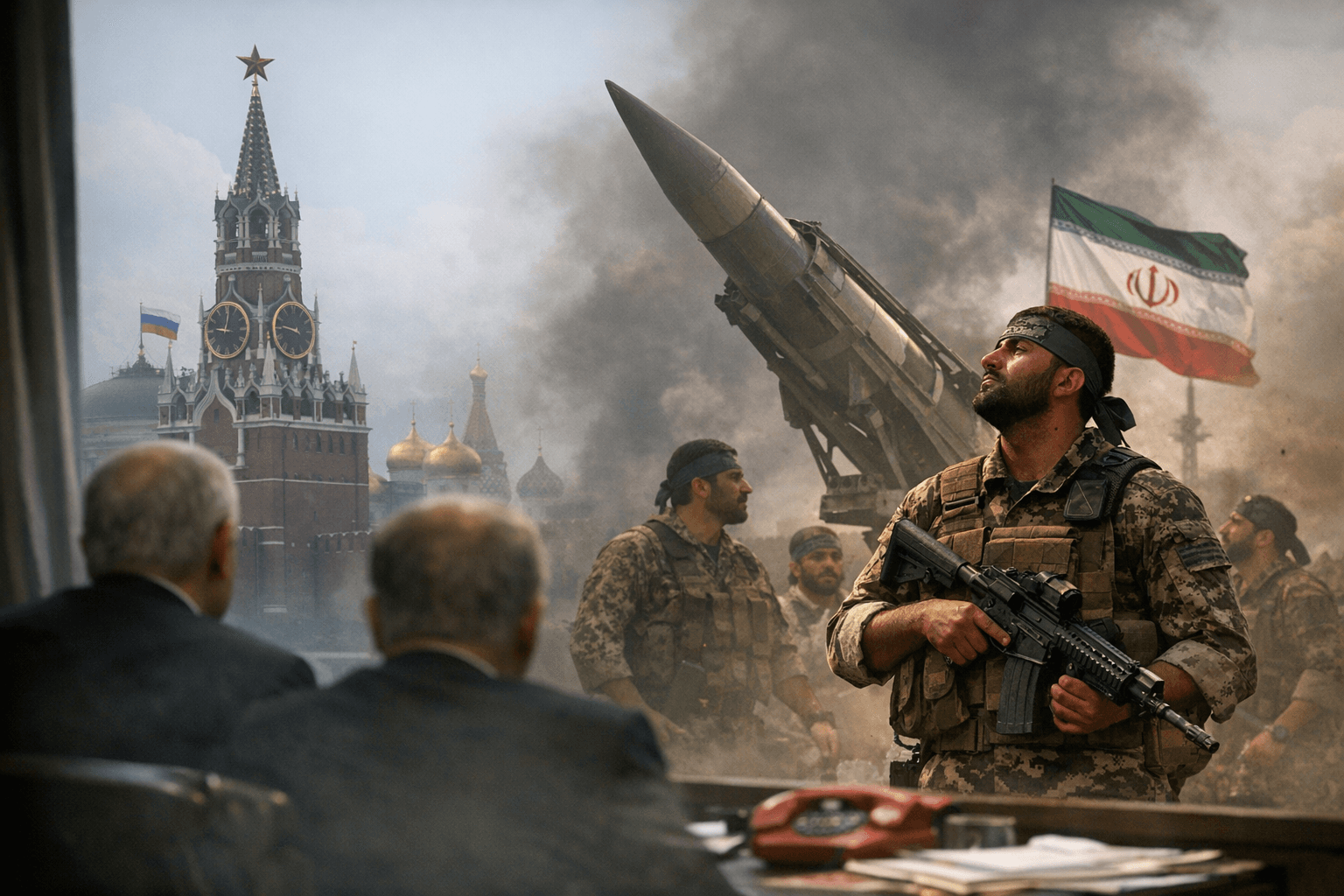
For Washington and its allies, the immediate policy calculus faces competing pressures. A posture that openly backs Israeli kinetic options aims to deter Tehran from advancing missile and nuclear capabilities, but it also reduces diplomatic space and increases the chance of miscalculation by parties on the ground. Regional governments are likely to weigh the costs of either confrontation or accommodation, balancing security concerns against economic vulnerabilities tied to energy, shipping and foreign investment.
Markets and governments will be watching for signals in the coming days, including any change in Iranian rhetoric or military posture, shifts in Russian diplomatic engagement, and concrete policy steps from Washington and Jerusalem. Even modest escalation could translate into higher costs for energy and shipping, tighter financial conditions for regional borrowers, and renewed pressure on the broader geopolitical alignment that has evolved since 2022.
This article was produced by Prism’s automated news system from verified source data, official records, and press releases, then run through automated quality and moderation checks before publishing. The system is built and supervised by the people who set the standards it runs under. Read our full AI policy.
Did this article answer your question?