Kurdish enclave braces as fragile U.S.-backed ceasefire holds, integration talks loom
Northeast Syria’s Kurdish pockets face shortages and displacement as a fragile truce and talks on SDF integration into state forces leave civilians uncertain.
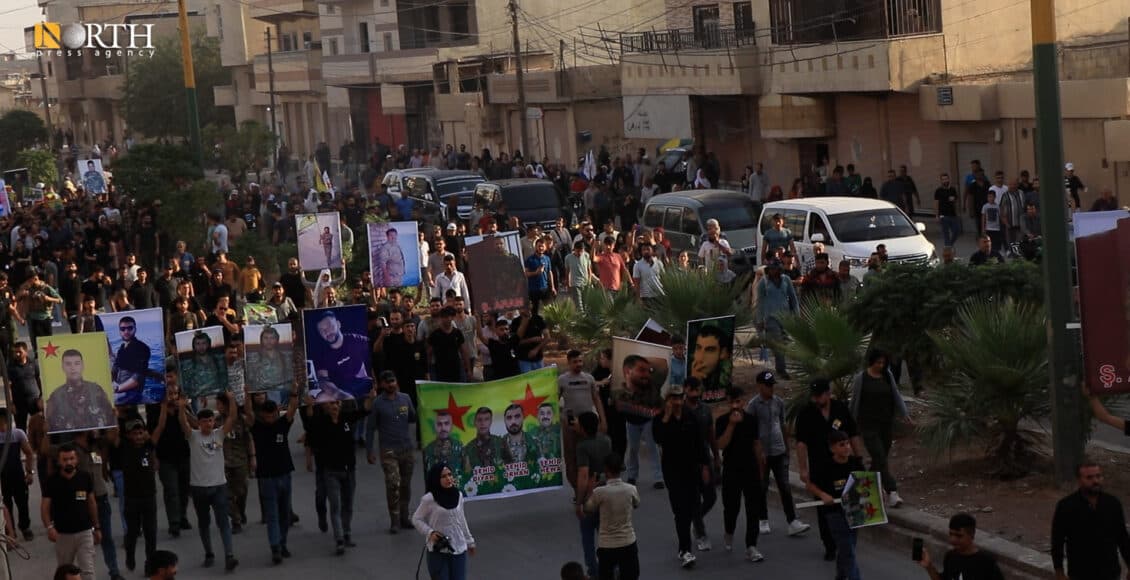
Nighttime patrols by armed civilian volunteers have become the visible symptom of uncertainty in Qamishli and other Kurdish-majority towns as a fragile, U.S.-backed ceasefire holds across much of northeast Syria. Government forces have advanced into large tracts of territory formerly held by the Kurdish-led Syrian Democratic Forces, leaving isolated enclaves, including Qamishli and Kobani, ringed by areas now under state control.
A four-day truce declared earlier this month was extended for 15 days in an agreement that the United States supported, even as Syrian defense authorities also announced the extension. Negotiators have produced a version of an accord under which SDF members would be absorbed into Syrian national institutions; fighters are to join Syria’s army and police as individuals rather than as units. President Ahmed Al-Sharaa’s government is pressing for the full reintegration of remaining Kurdish-run enclaves into the Syrian state.
Frontline shifts have been sharp. Government forces seized swathes of the north and east, altering control in cities and districts once under SDF authority. Raqqa and Deir el-Zour are among areas that changed hands, and the SDF is now clinging to its last significant pockets of de facto autonomy. Sporadic skirmishes have continued since the ceasefire extension, and both sides accuse the other of violations, keeping residents on edge.
The humanitarian toll is large and immediate. The International Organization for Migration has registered more than 173,000 people displaced in northeast Syria since the recent fighting began. Kobani has been effectively besieged, with residents reporting cuts to electricity and water and shortages of essential goods, including bread. The U.N. Office for the Coordination of Humanitarian Affairs recorded a U.N. convoy that delivered 24 trucks carrying fuel, food, medical supplies and winterization kits to Kobani, the first such convoy to reach the city since the fighting started, before exiting the enclave.
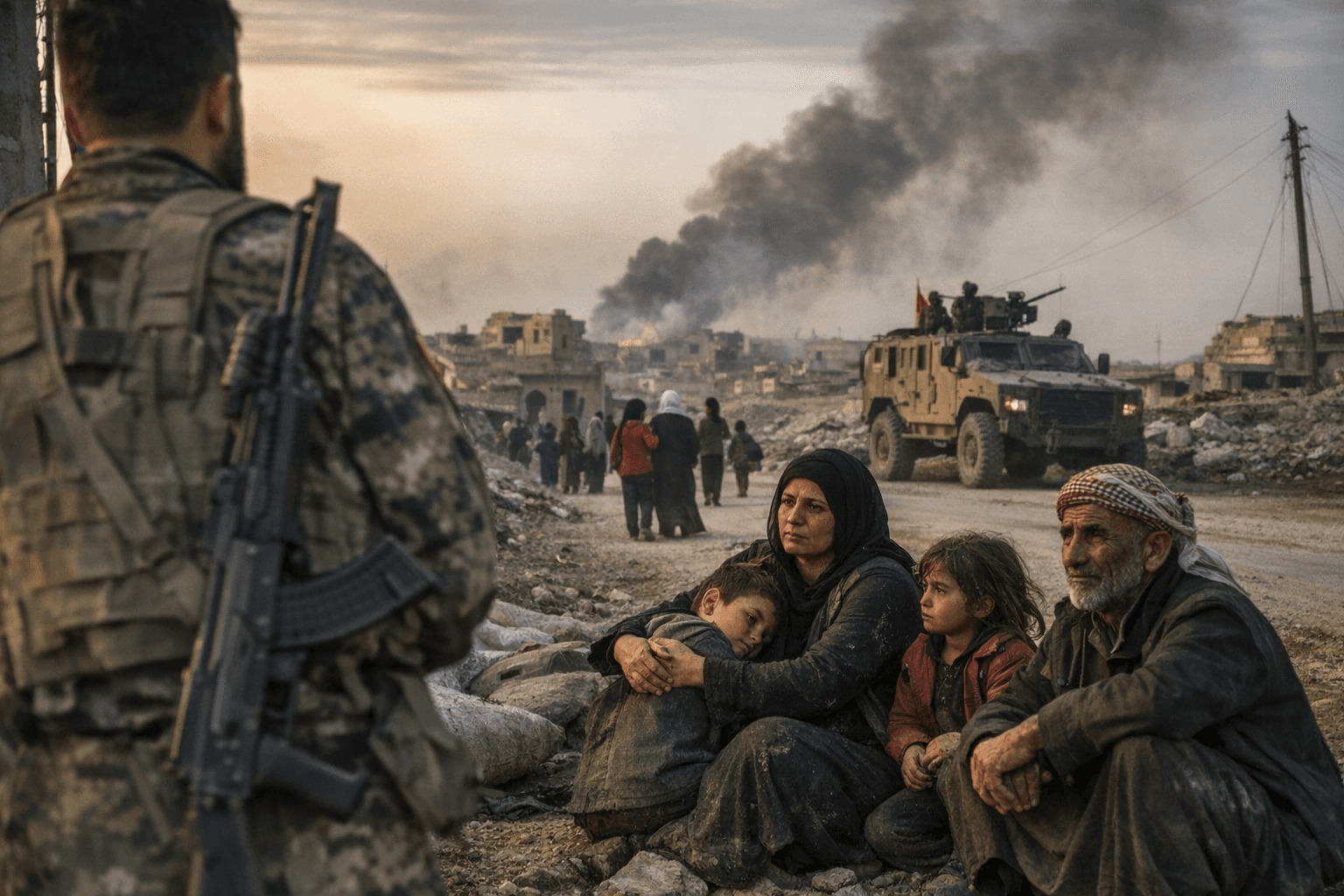
Some captured areas are largely Arab-majority, where residents reportedly welcomed the SDF withdrawal. Syrian authorities opened "humanitarian corridors" in several locations to allow Kurdish and other civilians to flee. With calm holding in most sectors under the truce, some displaced families have begun to return, but shortages and infrastructure outages persist in besieged towns and many lack basic services.
Personal stories underscore the broader fragility. Subhi Hannan is sheltering with his wife, three children and his mother in a chilly schoolroom in Qamishli after fleeing Raqqa; previously displaced from Afrin in 2018, Hannan also lost both legs after stepping on a landmine. In Qamishli, volunteers described as a mechanic, a storekeeper and a student now man checkpoints at night. A photograph taken on January 26 shows armed Kurdish volunteers at a Qamishli checkpoint; one volunteer, Yazan Ghanem, 23, said: “We’re going out to guard our neighborhoods, to stand with our people and protect our land … This is our land. We won’t accept any outside interference in our areas.”
The coming days will test whether the ceasefire can hold while talks proceed over how Kurdish self-rule is folded into the Syrian state. International mediators face the delicate task of reconciling state sovereignty with local security arrangements and humanitarian access. For residents inside the enclaves, the immediate question is survival: shelter, food, fuel and safe passage home depend on whether political compromises translate into stability on the ground.
This article was produced by Prism’s automated news system from verified source data, official records, and press releases, then run through automated quality and moderation checks before publishing. The system is built and supervised by the people who set the standards it runs under. Read our full AI policy.
Did this article answer your question?


