Kuwait detains U.S.-Kuwaiti journalist Ahmed Shihab-Eldin amid speech crackdown
Kuwait held U.S.-Kuwaiti journalist Ahmed Shihab-Eldin for weeks after posts on the Iran war, sharpening fears of a wider Gulf crackdown on speech.

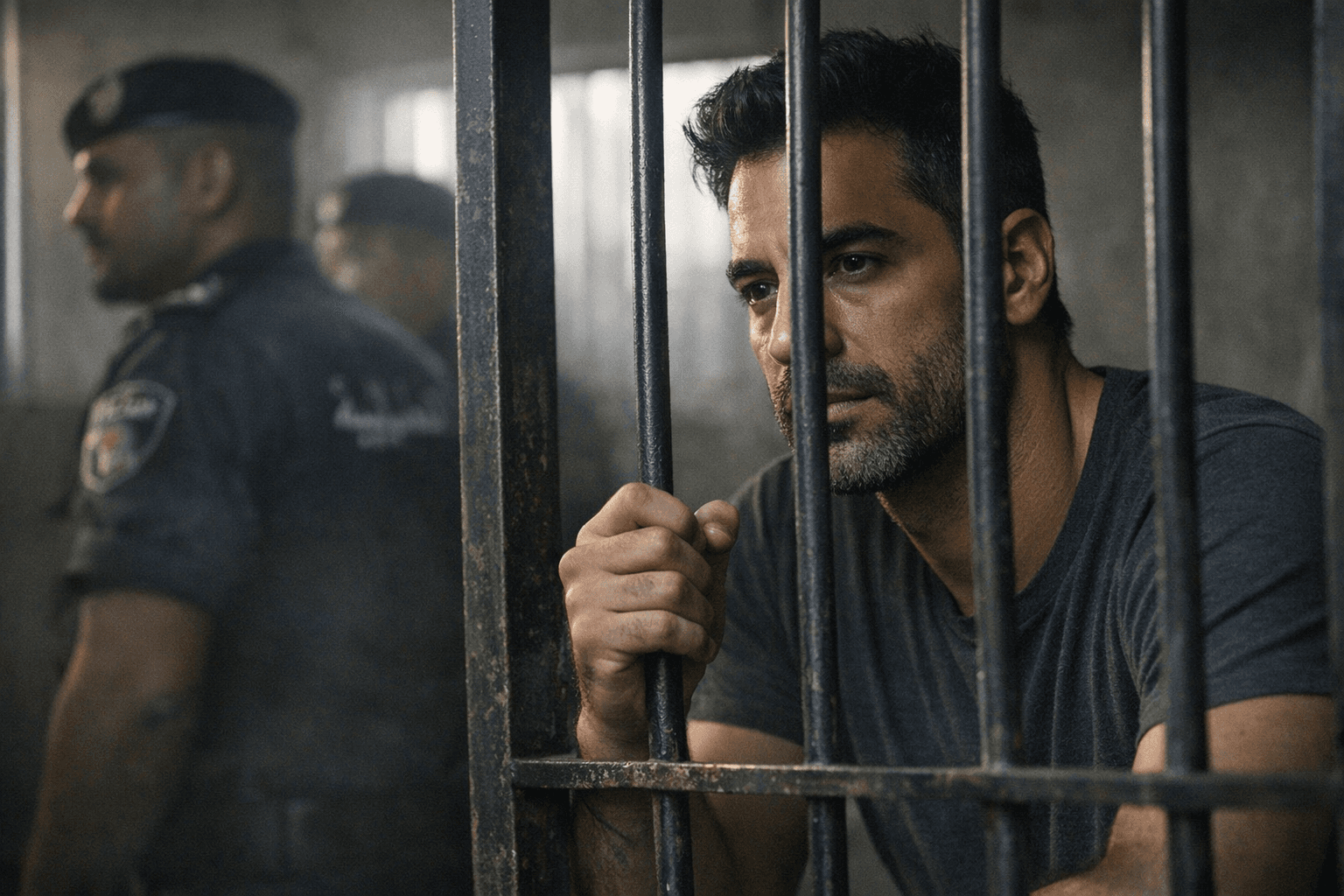
Kuwaiti authorities detained Ahmed Shihab-Eldin, a 41-year-old U.S.-Kuwaiti journalist, after he posted commentary on publicly available videos and images tied to the Iran war, turning a social-media case into a press-freedom fight with diplomatic stakes.
The Committee to Protect Journalists said Shihab-Eldin had not been seen publicly or posted online in Kuwait since March 2, and that authorities charged him with spreading false information, harming national security, and misusing his mobile phone. He had been visiting family in Kuwait when he disappeared from view, and the secrecy around his detention heightened concern among press advocates.
CPJ said one of his recent posts included a geolocated video of a U.S. fighter jet crash near a U.S. air base in Kuwait, a clip verified by CNN. The group framed the detention as part of a broader pattern in which Gulf governments have stepped up pressure on people who film, share, or comment on the conflict, especially when their posts circulate widely online.
The case also drew attention because of Kuwait’s own tightening rules. CPJ said Kuwaiti officials warned on March 2 against filming or publishing material related to Iranian attacks. On March 15, Kuwait enacted Law No. 13 of 2026, whose Article 26 reportedly carries prison terms of up to 10 years for disseminating news or false rumors about military entities with the intent of undermining confidence in them.
Rights advocates say those measures fit into a longer pattern. The Electronic Frontier Foundation said Kuwait passed a right-to-information law in 2020, but also maintains cybercrime legislation from 2016 that restricts expression. The result, critics argue, is a legal environment where wartime sensitivities can be used to police criticism and shrink the space for ordinary reporting.
The Shihab-Eldin case also carries a diplomatic edge. As a dual citizen, he could draw consular attention that Kuwait may find harder to brush aside than an ordinary local arrest. CPJ pointed to another incident in Kuwait involving journalist Yitzchak Horowitz, who said he was questioned and briefly detained after photographing U.S. warships, suggesting the pressure is not isolated to one profile or one platform.
This article was produced by Prism’s automated news system from verified source data, official records, and press releases, then run through automated quality and moderation checks before publishing. The system is built and supervised by the people who set the standards it runs under. Read our full AI policy.
Did this article answer your question?