Landry seeks to suspend Louisiana primary after Supreme Court map ruling
Landry moved to freeze Louisiana’s May 16 primary after the Supreme Court voided the state’s House map, even as early voting was set to open and ballots were already out.
Gov. Jeff Landry moved to suspend Louisiana’s May 16 primary elections so lawmakers can redraw the state’s congressional map, a late-stage rewrite that would reach into ballots already in voters’ hands and force campaigns to reset just as voting was about to begin.
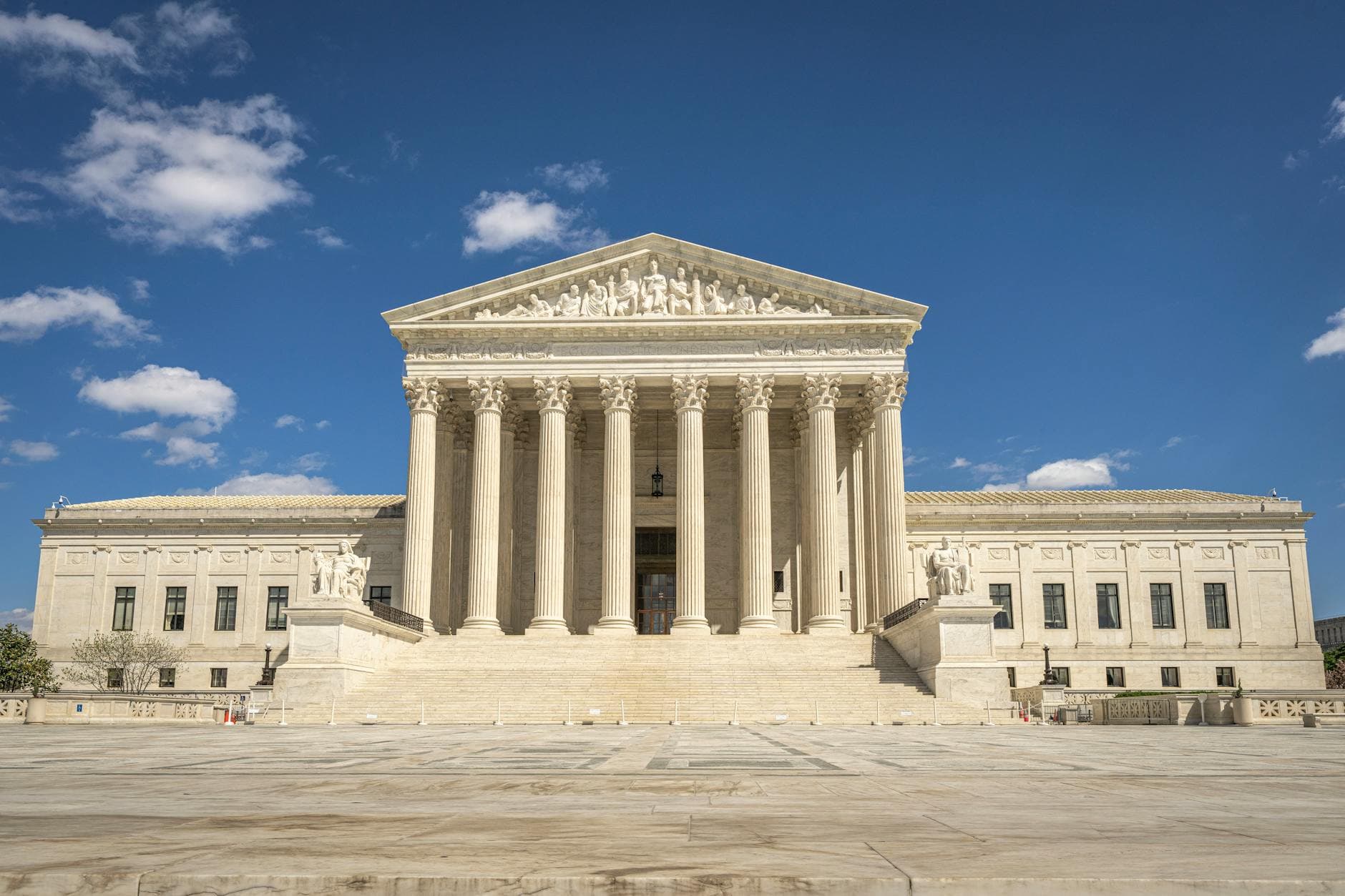
Landry told Republican House candidates he planned to halt the primaries after the U.S. Supreme Court struck down Louisiana’s congressional map in a 6-3 decision on April 29, 2026. The court ruled that the state could not justify using race to draw its district lines under Section 2 of the Voting Rights Act, putting Louisiana’s six U.S. House seats back into play and reopening one of the nation’s most closely watched redistricting fights.
The challenged map, adopted in 2024, created a second majority-Black district. That arrangement had become central to the state’s political balance, and the ruling immediately cast doubt on whether the 2026 House contests could move forward on the current calendar. Early voting for the May 16 primaries was scheduled to begin Saturday, and absentee ballots had already been mailed.
Louisiana had already pushed its spring election dates once, moving them in 2025 from April 18 and May 30 to May 16 and June 27 to create room for possible redistricting. Lawmakers then convened a special session in October 2025 because they were anticipating a Supreme Court ruling that could force another redraw. Now that ruling has arrived, and the calendar Landry helped preserve is once again under strain.
The case was argued for the state by Louisiana Attorney General Liz Murrill, while civil-rights groups including the ACLU of Louisiana said the decision weakened minority voting rights. The court’s opinion, authored by Justice Samuel Alito, is being watched far beyond Baton Rouge because it could narrow how race is considered in redistricting battles in other states.
The practical consequences are immediate. A new congressional map would have to be drawn for Louisiana’s six seats, ballot programming could be delayed, candidates could be forced to change districts or campaigns on short notice, and the June 27 general election runoff could be pushed into uncertainty. For voters, the most basic rule of the election may be the one under the most pressure: who they can vote for, and when.
Sources:
Know something we missed? Have a correction or additional information?
Submit a Tip