Senate advances GOP budget to fund immigration agencies, end DHS shutdown
Senate Republicans advanced a budget blueprint that could free up about $70 billion for immigration enforcement, a procedural step aimed at breaking the DHS shutdown without Democratic votes.
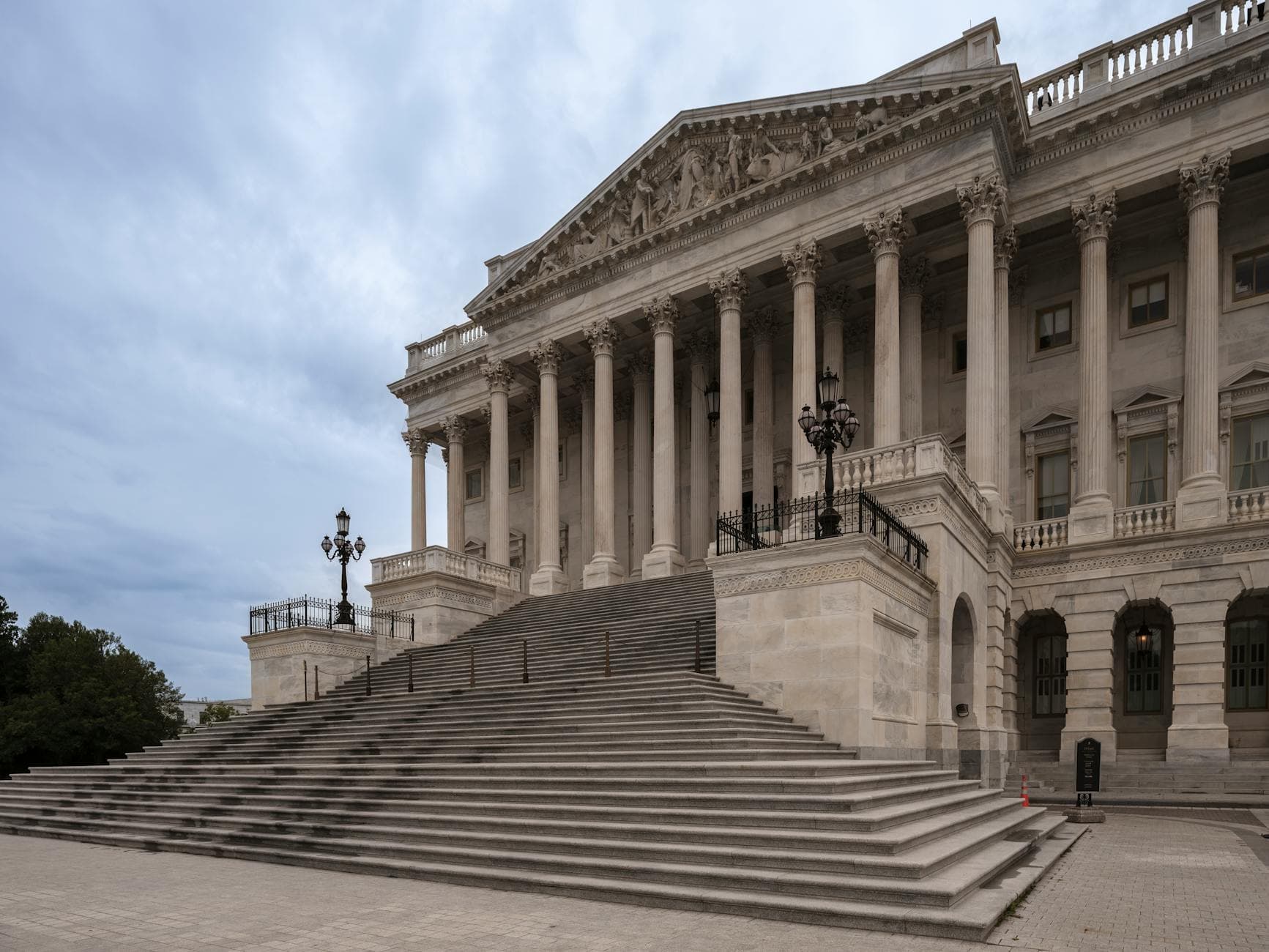
Senate Republicans cleared the first hurdle in their strategy to reopen the Department of Homeland Security and steer new money toward immigration enforcement, adopting a GOP-written budget resolution on April 23 by a 50-48 vote after an overnight voting marathon.
The blueprint does not itself end the shutdown. Its purpose is more mechanical: it unlocks reconciliation, the fast-track budget process that can let Republicans pass legislation in the Senate with a simple majority instead of the 60 votes normally needed to overcome a filibuster. Party leaders want to use that route to direct roughly $70 billion to Immigration and Customs Enforcement and the U.S. Border Patrol, a move that would allow them to fund those agencies without relying on Democratic support.
The vote marked the latest phase in a two-track plan announced April 1 by House Speaker Mike Johnson and Senate Majority Leader John Thune. Under that strategy, Republicans first would pass a bill to finance most of DHS while leaving ICE and Border Patrol out of the package. Then they would bring a second, party-line spending bill to cover those enforcement agencies separately. The shutdown, which began in mid-February, has already become the longest partial DHS shutdown in U.S. history.
The Senate resolution moved ahead despite defections from two Republicans, Rand Paul and Lisa Murkowski. On the Democratic side, leaders including Chuck Schumer have framed the GOP approach as evidence of dysfunction, arguing that Republicans are dividing DHS funding into pieces in order to impose their immigration priorities on the department. The standoff has also been tied to disputes over reforms for ICE and Border Patrol, putting border enforcement at the center of the funding fight.

House Republicans now face another round of procedural and political hurdles. Johnson said on April 27 that the House would have to modify the Senate-passed DHS funding bill before it could pass, which could send the measure back to the Senate and expose it to another round of resistance. Reuters reported that current DHS money, including funds for the Transportation Security Administration, was expected to run out in early May, underscoring how little time remains before the dispute begins to hit more of the department’s operations.
The Republican plan also reflects how leaders are using procedural leverage to separate immigration enforcement from the rest of the department’s work. After a shooting at a Washington dinner attended by President Donald Trump intensified concerns about protection for federal officials, lawmakers cited the need to keep the Secret Service funded. But the broader governing strategy remained the same: protect key DHS agencies now, then force a later vote on the immigration enforcement money Republicans have made central to their agenda.
This article was produced by Prism’s automated news system from verified source data, official records, and press releases, then run through automated quality and moderation checks before publishing. The system is built and supervised by the people who set the standards it runs under. Read our full AI policy.
Did this article answer your question?

