Supreme Court Lets New Jersey Anti-Abortion Center Challenge Subpoena
The Supreme Court let a New Jersey anti-abortion center keep fighting a subpoena for donor records, a procedural win that could reshape state oversight of similar groups.

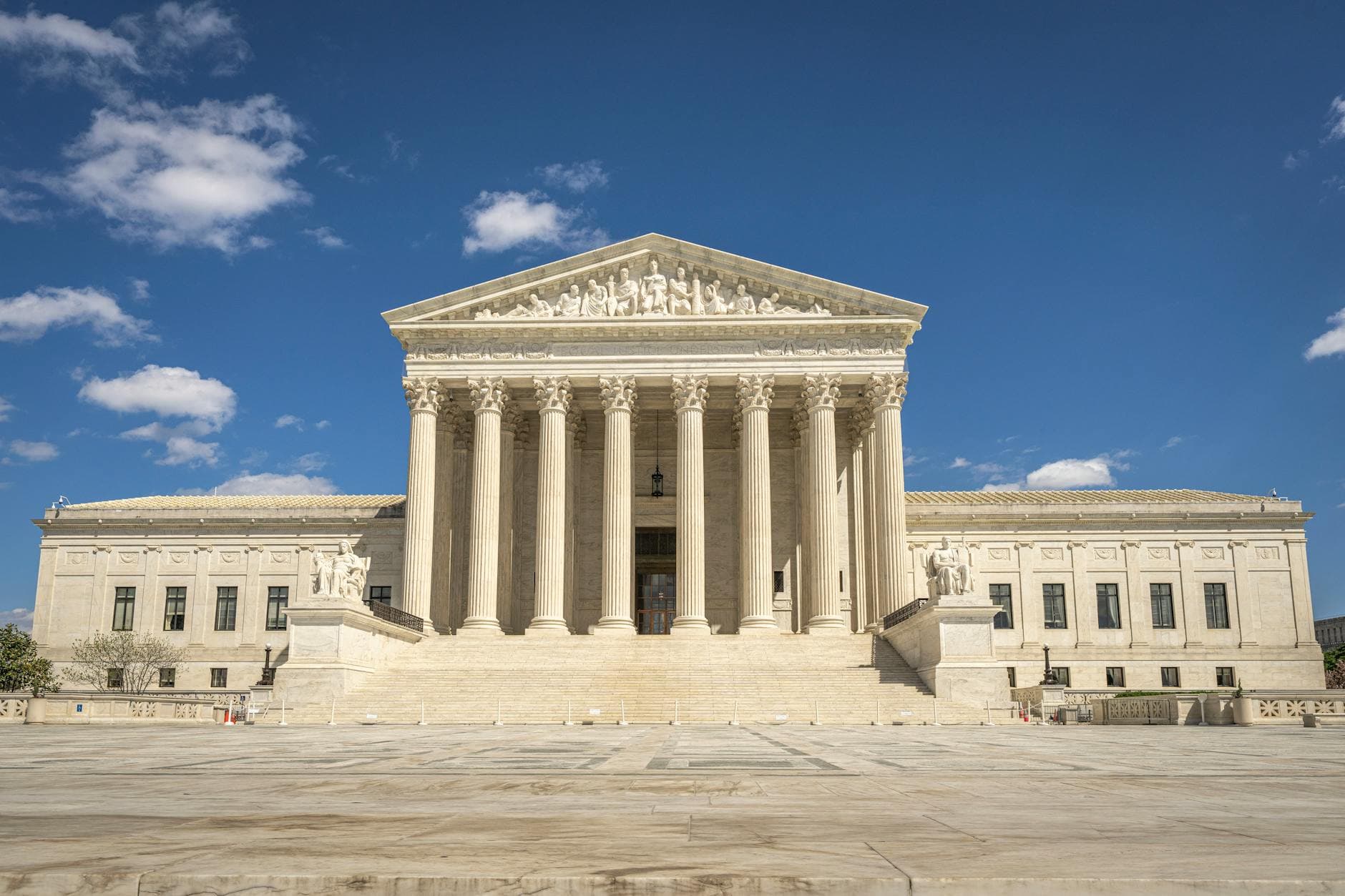
The Supreme Court gave First Choice Women’s Resource Centers a procedural victory that could reverberate far beyond New Jersey, ruling that the anti-abortion nonprofit may press its constitutional challenge in federal court rather than be turned away on standing grounds. The unanimous decision does not decide whether the organization misled the public, but it does keep alive a fight over how aggressively states can investigate pregnancy centers, demand donor records and police abortion-related claims after Dobbs.
Justice Neil Gorsuch wrote the opinion in First Choice Women’s Resource Centers, Inc. v. Davenport, which the court decided April 29 after hearing arguments December 2, 2025. The justices held that First Choice showed a present injury to its First Amendment associational rights sufficient for Article III standing, reversing lower courts that had dismissed the case. In practical terms, that means the center can continue seeking to block or narrow the state subpoena in federal court.
First Choice has operated in New Jersey since 1985. It is a religious nonprofit that says it does not provide abortions or abortion referrals because it believes life begins at conception. The subpoena at issue was issued in 2023 and sought 28 categories of documents, including names, phone numbers, addresses and places of employment of donors who gave by means other than one specified webpage. According to the court record, the demand also reached donations made through two other websites, social media pages, by mail, in person or by any other means. First Choice was warned twice that failure to comply could bring contempt and other penalties.
The dispute grew out of a broader state crackdown. New Jersey Attorney General Matthew Platkin created a Reproductive Rights Strike Force in 2022, and a consumer alert that year accused groups like First Choice of using false or misleading abortion information. State officials said they were investigating discrepancies between donor-facing materials and what patients were told. First Choice argued that the subpoena would expose supporters to harassment and chill future donations.
The ruling stopped short of addressing whether the center’s practices were deceptive. It instead cleared the path for a federal challenge to proceed, a distinction that matters for state regulators and for anti-abortion groups that have faced rising scrutiny over the counseling, pregnancy tests and ultrasounds they advertise. It also leaves open a larger question that will keep returning in post-Dobbs litigation: how far states can go in probing advocacy groups before investigative power becomes a burden on speech, religion and association.
Know something we missed? Have a correction or additional information?
Submit a Tip