Landry visit sparks Greenland backlash amid sovereignty concerns
Jeff Landry’s Greenland trip revived old suspicions in a territory where U.S. interest, Arctic security and mineral wealth have long been tied to sovereignty fears.
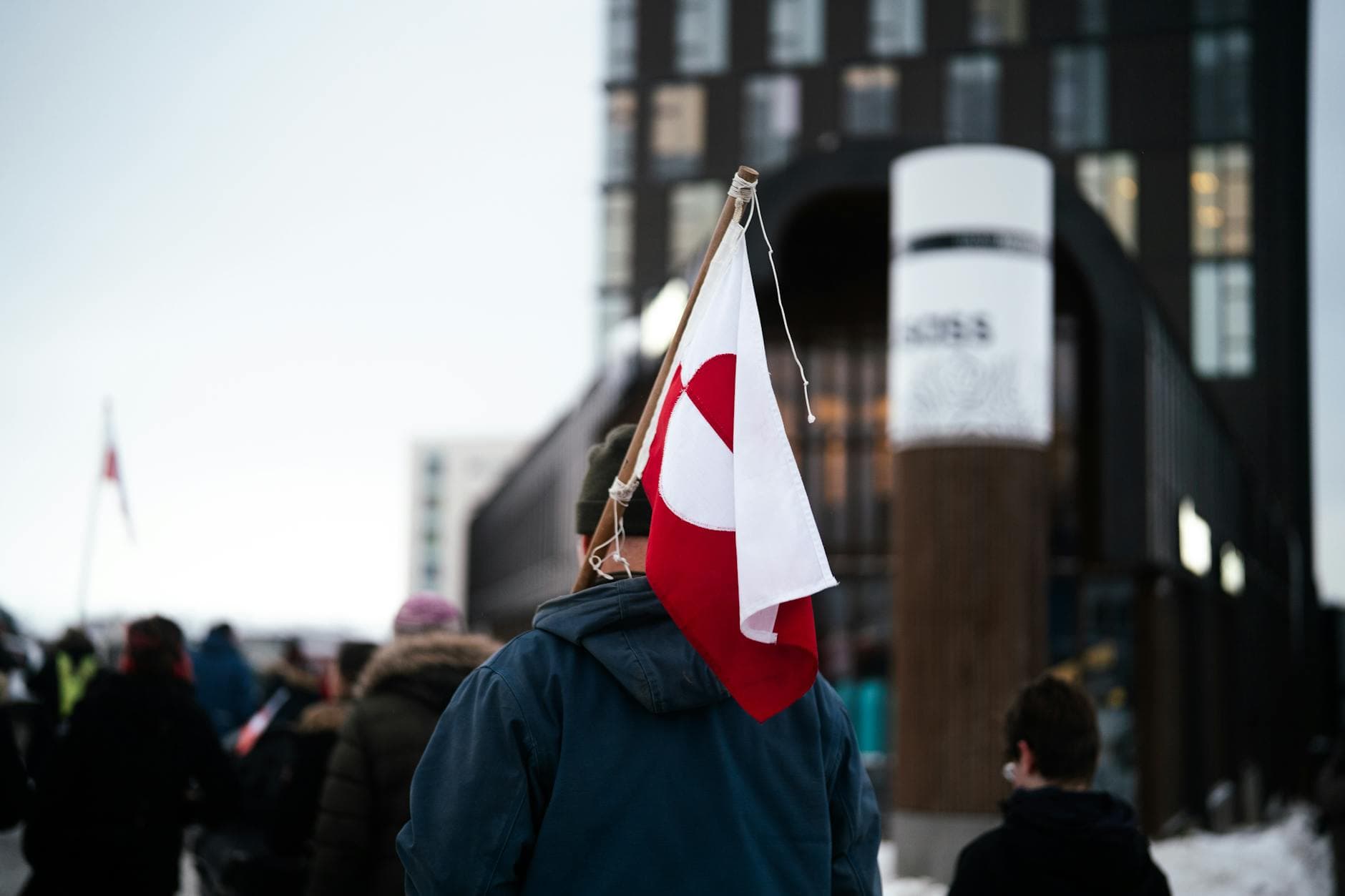
Jeff Landry’s visit to Greenland reopened a familiar wound: the fear that American attention comes less as friendship than as leverage over a territory with its own self-rule, shrinking population and strategic Arctic value. In a place where many residents already read outside interest through the lens of sovereignty, even a charm offensive can look like pressure.
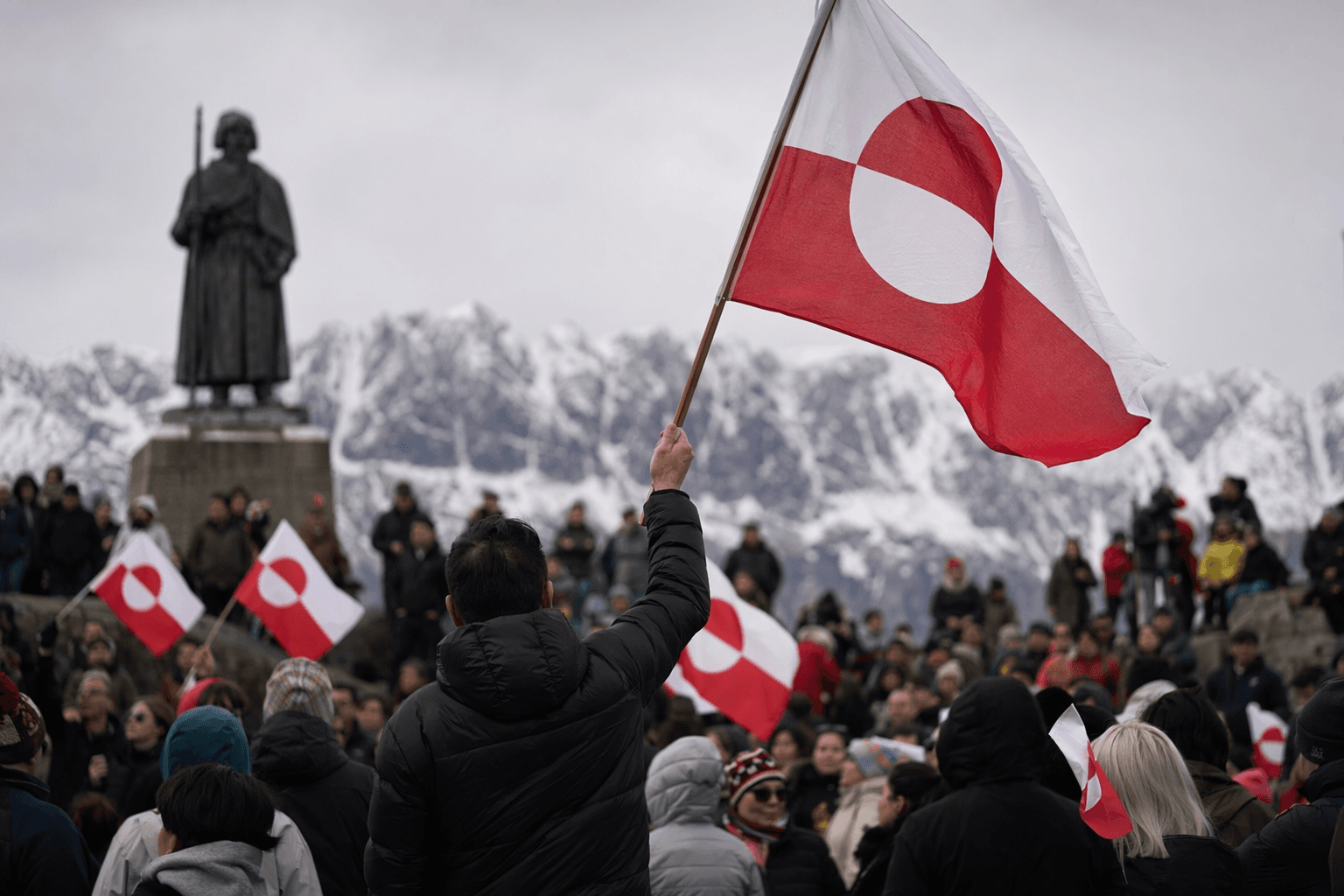
Greenland is geographically part of North America, but it remains within the Kingdom of Denmark and has governed itself under the Self-Government Act that took effect on June 21, 2009, after a referendum in 2008. That legal status matters because Greenlanders were recognized as a people with the right to self-determination, not as a population to be managed from abroad. The island’s politics have only grown more sensitive as Donald Trump repeatedly expressed interest in acquiring Greenland, a memory that still shapes how many Greenlanders interpret American overtures.
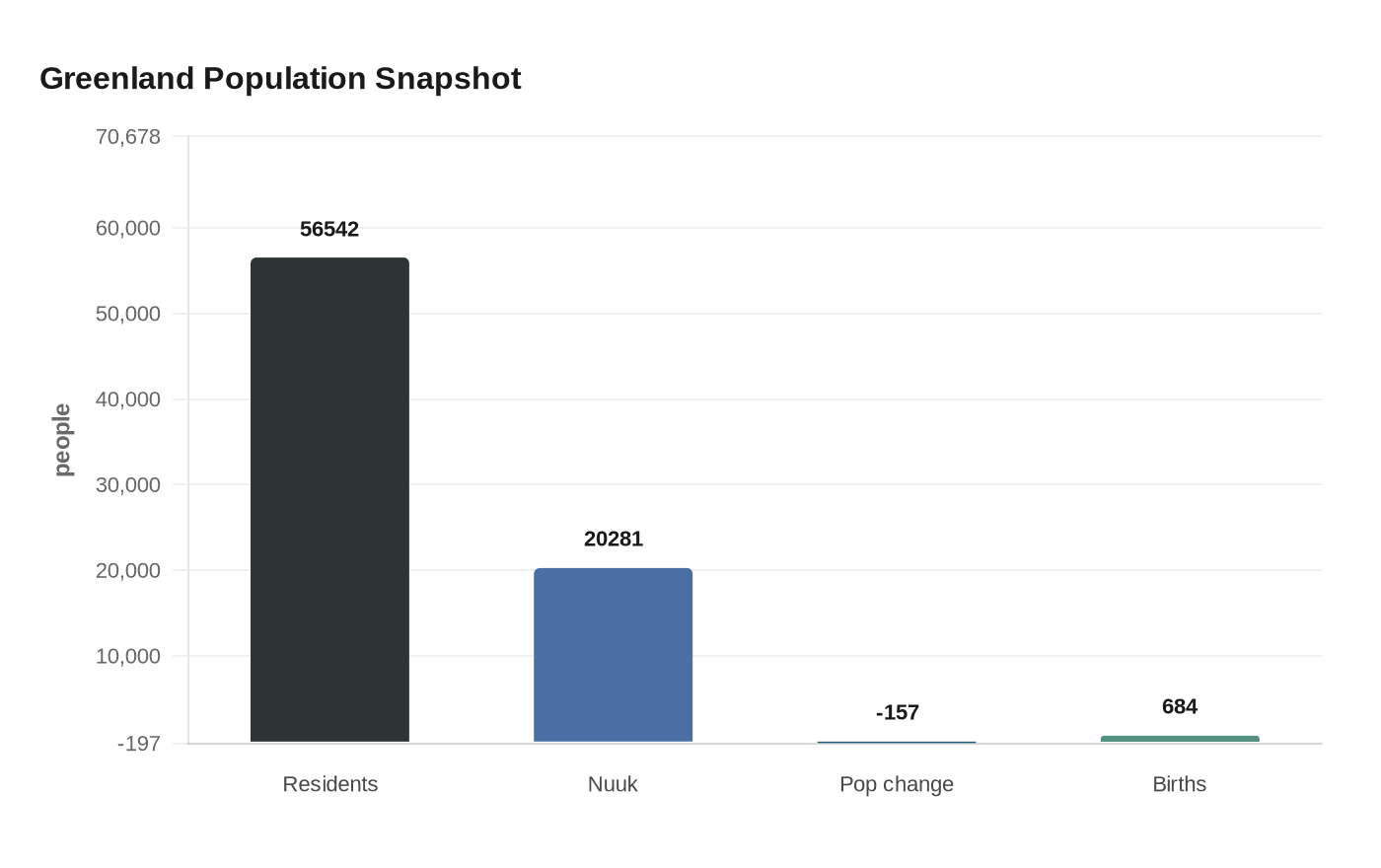
The scale of the island helps explain the depth of the reaction. Greenland had 56,542 residents on Jan. 1, 2025, and more than 65% live in just five towns: Nuuk, Sisimiut, Ilulissat, Aasiaat and Qaqortoq. Nuuk, the capital, had 20,281 residents in the third quarter of 2025. Even there, growth is uneven against a wider demographic slowdown. Greenland’s population fell by 157 people in 2024, only 684 children were born, and Statistics Greenland projects the Greenland-born population could decline by about 20% by 2050.
That demographic strain has sharpened long-term worries about labor, economic self-sufficiency and the island’s ability to hold its own in negotiations with larger powers. Greenlanders also connect foreign attention to untapped critical minerals, a resource race that makes sovereignty feel even more fragile. In that setting, an American political figure arriving to build goodwill can be seen not as a guest but as another player circling a strategically prized territory.
Washington’s defense relationship with Greenland is also inseparable from that strategic calculation. The United States and Denmark first set out their defense cooperation on April 27, 1951, with the agreement later amended in 2004. The northernmost U.S. installation, Pituffik Space Base, renamed from Thule Air Base on April 6, 2023, sits at the center of that arrangement. Much of the year, ice locks the site in place, underscoring how Greenland’s geography makes it invaluable to Arctic security.
That combination of military utility, mineral potential and demographic fragility explains why Greenlanders can react sharply to American attention. For many on the island, the issue is not whether the United States matters. It is whether Washington can acknowledge Greenland as a political community, not simply a strategic asset.
Know something we missed? Have a correction or additional information?
Submit a Tip