Lapid criticizes reported Trump-Iran peace framework as bad for region
Yair Lapid warned the reported U.S.-Iran framework could leave Tehran leverage over the Strait of Hormuz, deepening fears in Israel and among Senate Republicans.

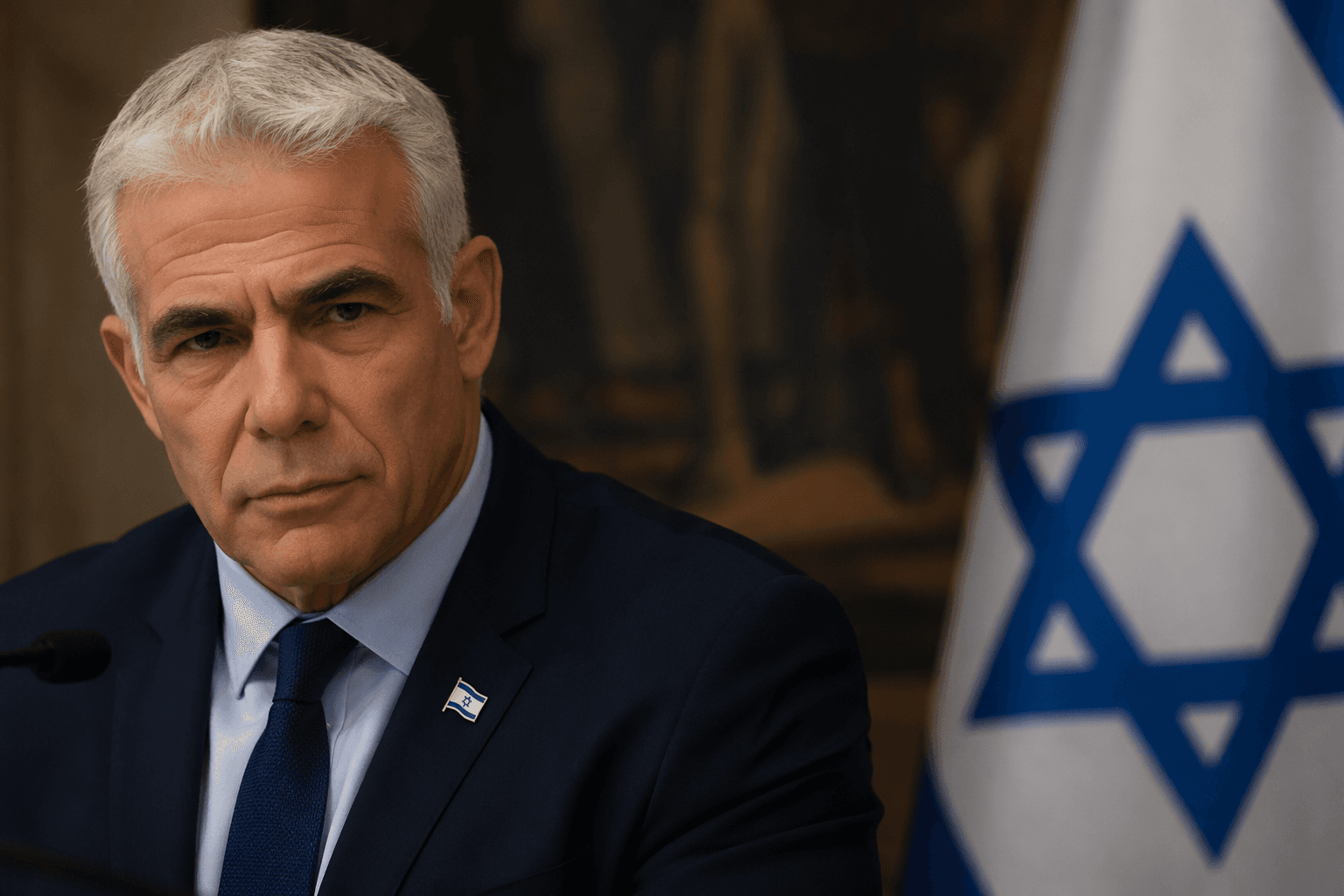
Yair Lapid used the reported U.S.-Iran peace framework to warn that the emerging deal could leave the region less secure, not more, at a moment when Washington, Tehran and a circle of regional mediators are still shaping the outline of the agreement.
The proposal, drafted by Qatar and Pakistan with input from Saudi Arabia, Turkey and Egypt, would reportedly start with a U.S.-Iran letter of intent ending the war, then open 30 days of negotiations on the hardest issues, including reopening the Strait of Hormuz and limiting Iran’s nuclear program. That detail is at the center of the backlash: for Lapid and other critics, any accord that leaves the strait in play risks giving Tehran coercive leverage over one of the world’s most important energy chokepoints.
Donald Trump said the deal was “largely negotiated” and told reporters the final version would include opening the Strait of Hormuz. He said he had consulted Steve Witkoff and Jared Kushner and spoke the same day with leaders of Saudi Arabia, Qatar, the United Arab Emirates, Egypt, Bahrain and Turkey, along with Pakistan’s army chief, Asim Munir. Iran’s Fars news agency pushed back, calling Trump’s account incomplete and saying the version on the table would keep the strait under Tehran’s control.
Lapid’s criticism also lands in a sharply political Israeli moment. He is part of an alliance trying to unseat Benjamin Netanyahu in elections this year, and he has argued that Netanyahu failed to shape a better deal because Israel was not meaningfully at the table when core national-security decisions were being made. Netanyahu, in private conversations, has told confidants that Israel has little ability to influence Trump’s decisions on Iran, underscoring how far Jerusalem has been pushed to the margins.
The alarm has not been limited to Israel’s opposition. Senators Lindsey Graham, Tom Cotton and Roger Wicker publicly described the reported terms as dangerous for Israel, with Graham calling them a “nightmare for Israel.” Their objection mirrors Lapid’s central concern: that a ceasefire or peace framework without tighter limits on Iran’s regional reach could shift the balance of power in the Gulf and embolden Tehran rather than contain it.
The fight over the deal is already as much about politics as policy. Supporters of diplomacy see a chance to stop a wider war through mediated talks and a staged negotiating process. Opponents, in Israel and in Washington, are trying to define the framework before its details are settled, arguing that what looks like de-escalation could harden into a strategic loss for Israel and its allies.
Know something we missed? Have a correction or additional information?
Submit a Tip

