Cambodia pardons opposition leader Kem Sokha in apparent Western reset
Cambodia pardoned Kem Sokha after his 2023 conviction, waiving a 27-year treason sentence while leaving doubts over whether politics are really opening.

Cambodia has pardoned Kem Sokha, a move that looks less like a narrow legal adjustment than a calculated attempt to ease pressure from Western governments and investors after years of strained ties. Acting head of state Hun Sen signed the royal decree on May 25, waiving the 72-year-old opposition leader’s 27-year prison sentence for treason.
Sokha’s case has long been a symbol of Cambodia’s clampdown on dissent. He was arrested in September 2017, then held under house arrest after his conviction in March 2023. His party, the Cambodia National Rescue Party, was dissolved by the Supreme Court of Cambodia in 2017, clearing the field for Prime Minister Hun Manet’s ruling camp and helping entrench a political order that Western capitals have repeatedly criticized.
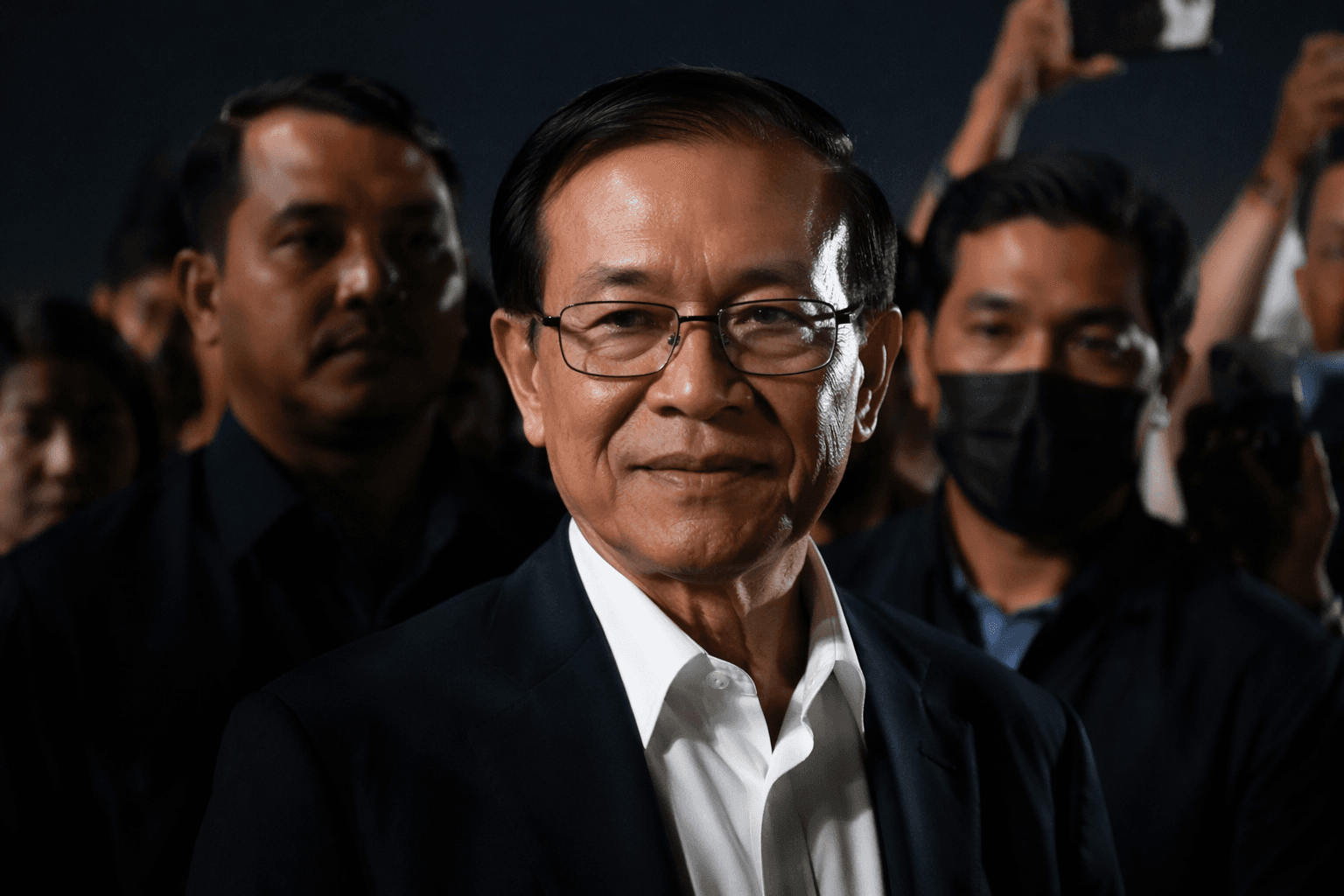
The pardon followed another hardening of Sokha’s legal position just weeks earlier. On April 30, 2026, the Phnom Penh Court of Appeal upheld his conviction and added a five-year ban on international travel. The pardon removed the prison sentence, but it did not fully restore Sokha’s standing. Reports said court-imposed restrictions barring him from participating in politics remained in force, and some accounts said the five-year travel ban also still applied.
That limited relief is why the decree is being read in geopolitical terms. Cambodia has spent years under pressure over its treatment of the opposition, and the Sokha case has been central to that dispute. On May 1, the U.S. Department of State said it was troubled by the appeal ruling and rejected Cambodian claims of U.S. involvement as false and irresponsible. Human Rights Watch said the conviction was politically motivated, underscoring the gulf between Phnom Penh and critics who see the case as part of a wider democratic backsliding.
Hun Manet cast the pardon as a step toward national unity, but Sokha made no immediate public comment. That silence leaves the central question unresolved: whether Cambodia is preparing a real opening for opposition politics or simply staging a limited gesture designed to soften its image abroad.
For now, the broader political landscape remains tightly controlled. Other senior opposition figures are still in exile, and political and social activists continue to face restrictions on speech and assembly. Sokha’s release may ease one of the most visible pressure points in Cambodia’s relations with the West, but it does not yet signal a wholesale reversal of the country’s long crackdown.
Know something we missed? Have a correction or additional information?
Submit a Tip

