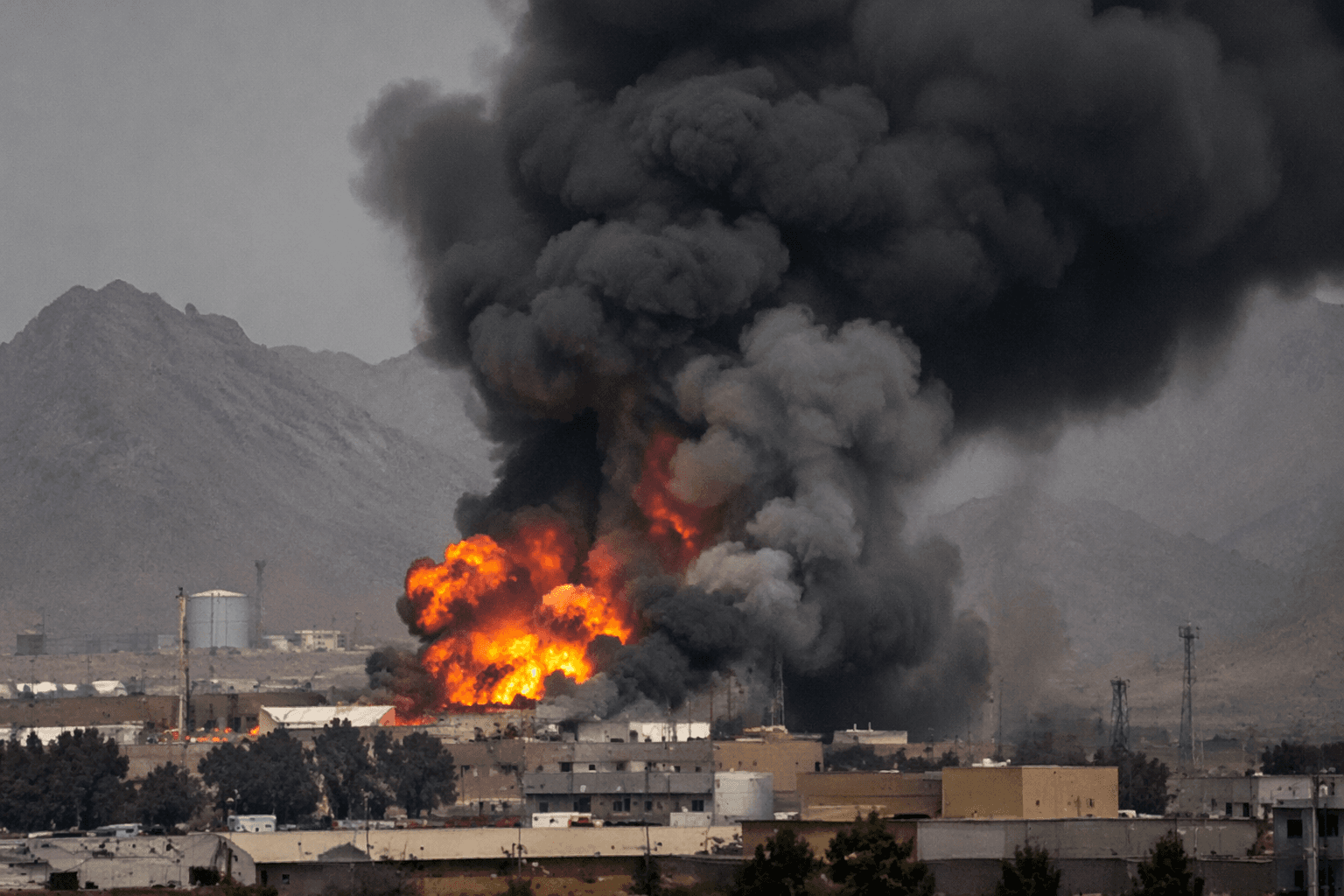
Russia warns of systematic strikes on Kyiv after deadly bombardment
Russia threatened “systematic strikes” on Kyiv after a bombardment that killed at least four people, sharpening fears the war could edge closer to direct pressure on U.S. policy.

Russia’s threat to widen its assault on Kyiv came with a blunt message to Washington: clear out diplomats and foreigners before the next phase begins. The warning followed one of the heaviest Russian bombardments of the Ukrainian capital since the war began, an overnight attack on May 24 that killed at least four people and wounded dozens across Kyiv and surrounding areas.
Moscow said on May 25 that it intended to launch “systematic strikes” on targets in Kyiv linked to the Ukrainian military and on “decision-making centres,” language Russia has long used for major state and security institutions in the capital. Foreign citizens were urged to leave Kyiv, and Russian Foreign Minister Sergei Lavrov told U.S. Secretary of State Marco Rubio that Moscow was beginning systematic strikes on sites tied to the Ukrainian military and wanted U.S. diplomatic personnel evacuated.
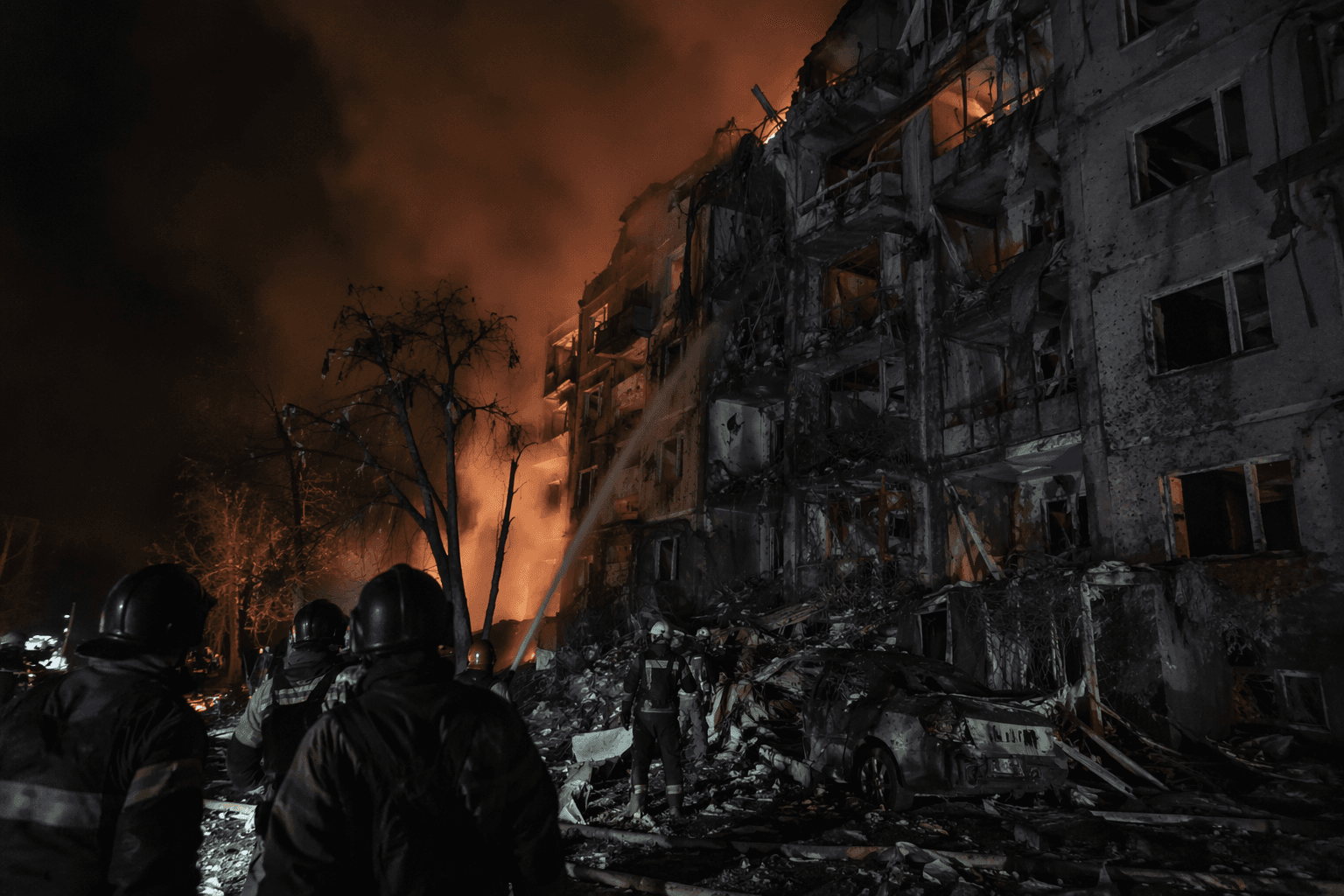
The timing matters. Russian officials linked the warning to a Ukrainian drone strike on a Russian-controlled vocational school dormitory in Luhansk, where they said 18 people were killed and dozens wounded. That framing suggests Moscow is presenting the threat not only as battlefield retaliation, but as a signal aimed at Washington and other Western capitals about the limits of their support for Ukraine. The immediate question is whether the language marks a real operational shift or another round of coercive messaging meant to raise the costs of backing Kyiv without triggering a broader clash.
There is reason to take the threat seriously, even if not literally at face value. The Institute for the Study of War said Moscow’s move violated the spirit of the Victory Day ceasefire and fit a broader pattern of long-range strikes paired with pressure tactics against the West. The same assessment noted that on May 15, Volodymyr Zelensky warned Russia was reconnoitering decision-making centers in and near Kyiv for possible future strikes. That points to a campaign of probing and signaling around the Ukrainian capital, where Russian officials have previously threatened government buildings but generally stopped short of directly hitting the core institutions of the state.
For the United States, the episode is a reality check. Russia is trying to reshape the boundaries of American support for Ukraine by threatening escalation in the place where political symbolism is highest. Whether Moscow follows through in a sustained way will determine if this is deterrence signaling, retaliation, or the opening move in a more dangerous phase of the war.
Know something we missed? Have a correction or additional information?
Submit a Tip