US strikes Iranian targets as ceasefire talks continue in Doha
U.S. forces hit missile sites and mine-laying boats in southern Iran as Doha talks tried to keep a fragile ceasefire alive.
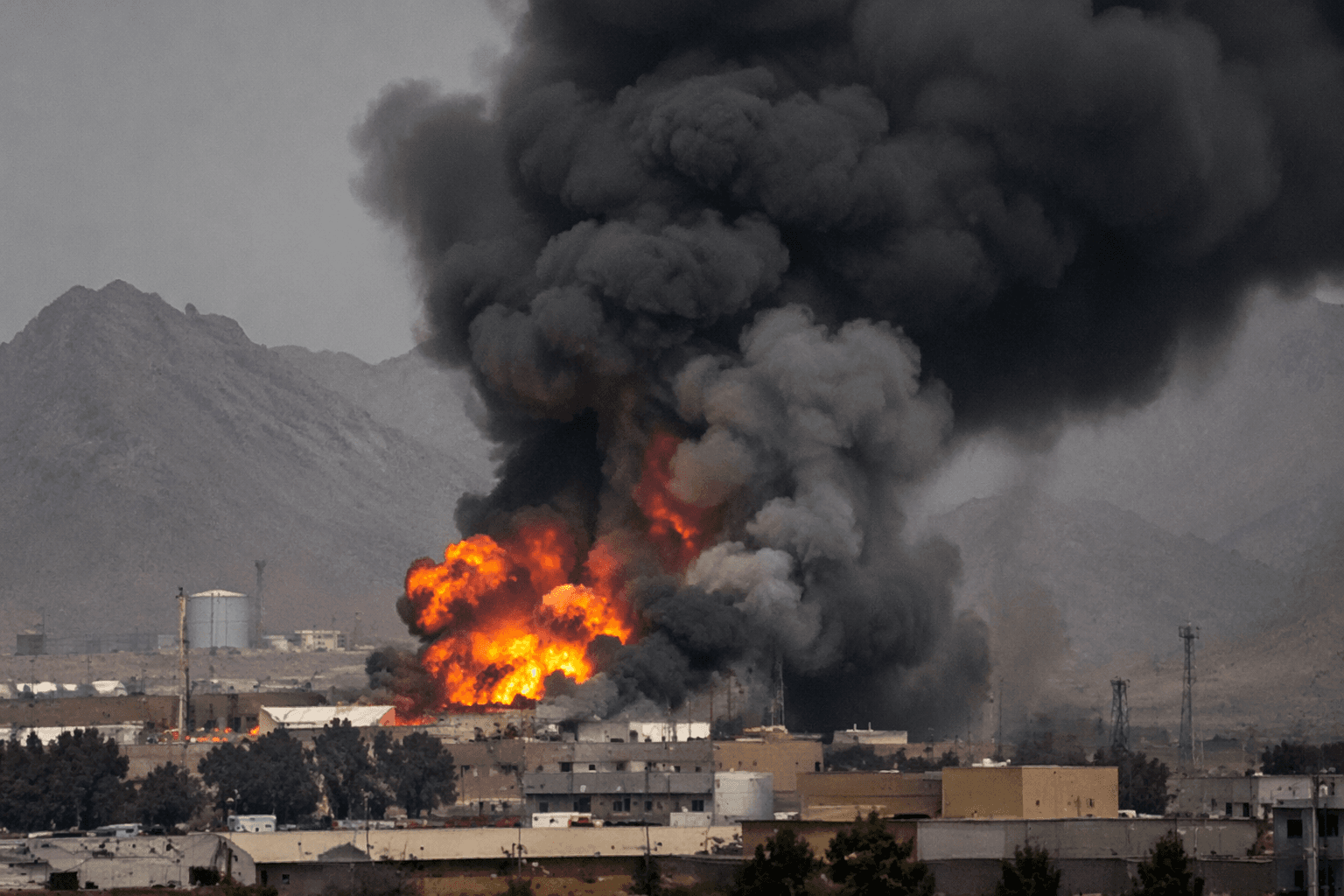
U.S. strikes on missile launch sites and boats attempting to emplace mines in southern Iran put Washington’s force-protection argument under immediate scrutiny, even as Iranian negotiators sat in Doha trying to salvage a wider deal. U.S. Central Command said the action was a “self-defense” strike meant to “protect our troops from threats posed by Iranian forces,” a claim that framed the operation as a limited response rather than an opening salvo.
The burden of proof for that justification rests on the targets CENTCOM named: missile launch sites and boats said to be moving to lay mines. Those are not abstract risks. Missiles can threaten deployed troops and nearby positions, while mines in waters tied to the Strait of Hormuz raise the stakes for military and commercial traffic alike. But the public case officials made was narrow, built around the nature of the targets rather than any broader disclosure of an imminent attack plan.
CENTCOM spokesman Capt. Tim Hawkins said the command was continuing to defend its forces “while using restraint during the ongoing ceasefire.” That wording matters. It signals an effort to draw a line between a defensive action and a wider campaign, suggesting the Pentagon wanted to answer a specific threat without collapsing the ceasefire talks that were unfolding in parallel.
Those talks were underway in Doha, where Iranian Foreign Minister Abbas Araghchi and parliament speaker Mohammad Bagher Ghalibaf met with Qatar’s prime minister over a possible agreement with the United States. The discussions were aimed at ending the three-month conflict and reopening the Strait of Hormuz, a shipping artery whose security has become inseparable from the wider confrontation.
Iranian media reported explosions in the Bandar Abbas coastal region hours before officials publicly commented, but no official Iranian source had addressed the strikes at the time. That silence leaves the immediate Iranian response unclear, though the timing alone raises the odds that Tehran will weigh retaliation carefully against the diplomatic track now in motion.
The sequence suggests a precarious balance. The United States is signaling that it will answer perceived threats quickly, but it is also trying to preserve room for negotiations. Iran, meanwhile, faces pressure to respond to strikes on its territory without derailing talks that could ease the conflict and reopen one of the world’s most sensitive maritime chokepoints.
Know something we missed? Have a correction or additional information?
Submit a Tip

