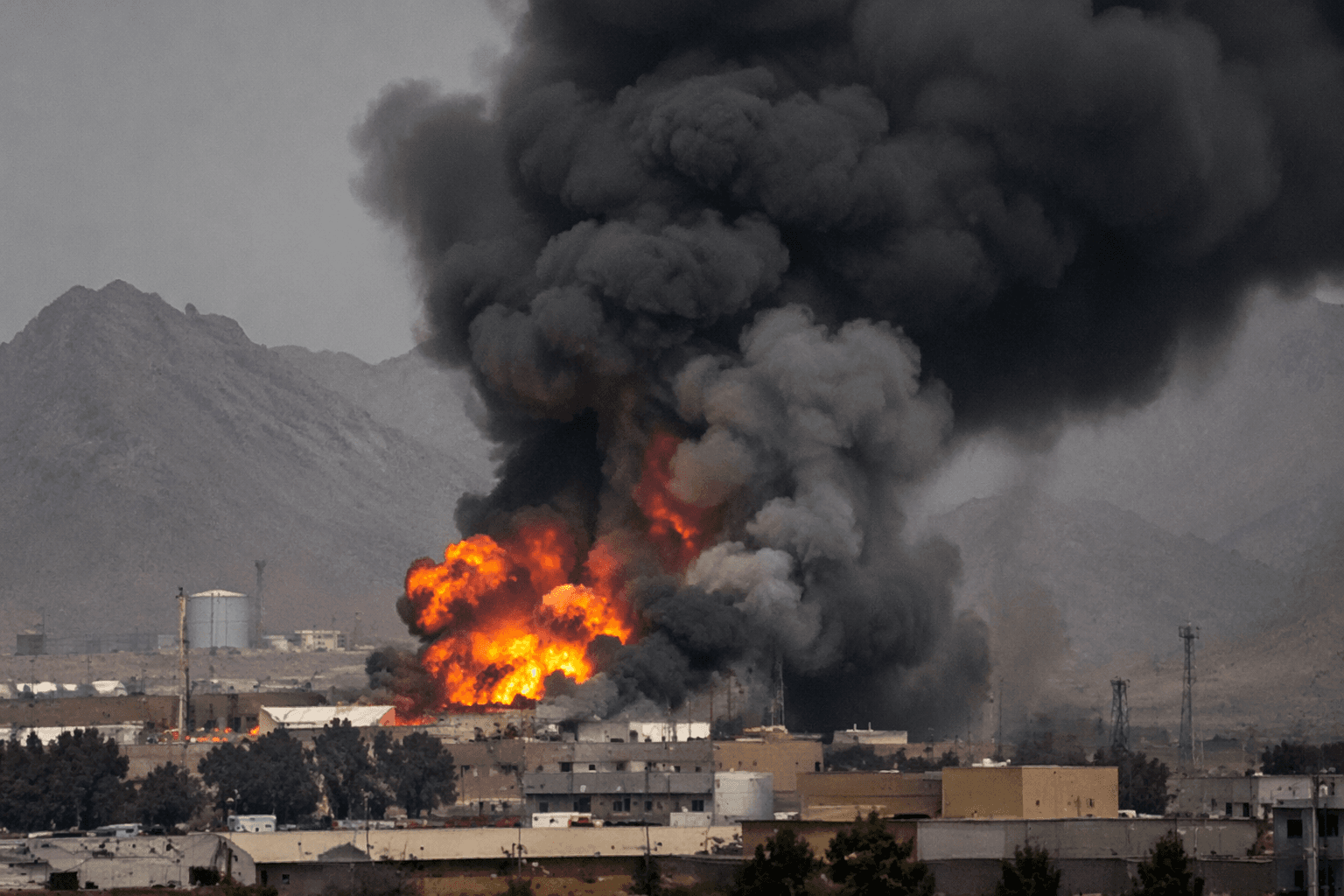
U.S. strikes Iranian missile sites near Strait of Hormuz
U.S. strikes hit missile launch sites and mine-laying boats near Bandar Abbas as Washington and Tehran kept ceasefire talks alive in Qatar.

American forces hit Iranian missile launch sites and boats trying to emplace mines in southern Iran, sharpening a confrontation that military officials said was meant to stop threats to U.S. troops while avoiding a wider rupture in the ceasefire. U.S. Central Command described the operation as “self-defense” strikes and said its forces were still “using restraint during the ongoing ceasefire.”
The strikes landed near the Strait of Hormuz, the narrow waterway that carries a large share of the world’s oil shipments, and centered on areas around Bandar Abbas and nearby coastal sites. Iranian media reported explosions in and around the port city, while Mehr news agency later said the situation in Bandar Abbas was under control and there was no cause for concern. Iranian sources told Al Jazeera that Islamic Revolutionary Guard Corps personnel were killed in the attacks.
The administration framed the action as a narrow military response, not the start of a new campaign, but the geography of the strikes raised immediate strategic stakes. The Strait of Hormuz has repeatedly served as the pressure point in the conflict, and earlier this month U.S. destroyers transiting the passage came under attack before American forces struck Iranian targets in response. That sequence underscored how quickly incidents at sea can escalate into attacks on fixed sites ashore, especially when both sides are operating under a fragile ceasefire.
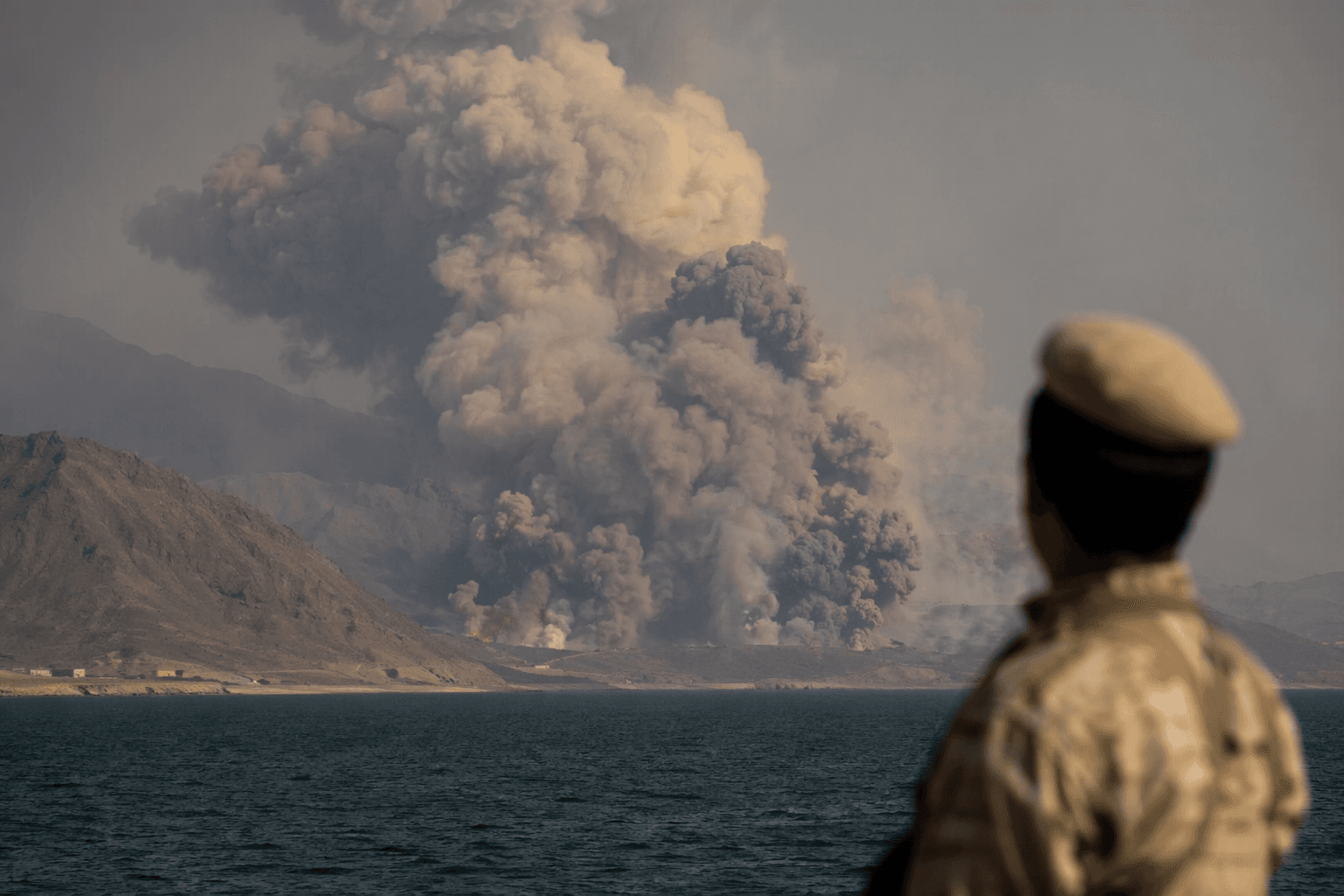
At the same time, Washington was still pursuing diplomacy. Iranian negotiators were in Qatar for talks aimed at reaching a peace deal with the United States, and President Donald Trump said the negotiations were “proceeding nicely.” Trump also pressed a broader political framework, saying any agreement should be tied to additional countries joining the Abraham Accords.
Marco Rubio drew the clearest line over the strategic rationale. He said the shipping route through the Strait of Hormuz “has to be open one way or the other,” reflecting the administration’s view that Iranian pressure on the waterway crosses a threshold that Washington will not tolerate. The question now is whether such “self-defense” strikes remain a contained effort to keep the sea lane open, or become the next step in a broader U.S.-Iran confrontation that could test both the ceasefire and the limits of American restraint.
Know something we missed? Have a correction or additional information?
Submit a Tip